Hello, human readers. It is I, Pisino—the sleek, black, and undisputed chief of the SnoutScoop household. While I usually spend my days supervising the chaotic energy of Blu (our resident blue Gascony goofball) and ensuring Niki’s editorial standards are up to my high feline specifications, today I must address a grave injustice.
It concerns the canine obsession with keeping their feet on the ground, and their utter horror when you try to hold them.
If you have a dog, you know the drill. They will happily let you rub their bellies, scratch their ears, and even blow silly raspberries on their snout. But the moment you reach for a front paw? Yank! It’s gone. They look at you as if you’ve just suggested trading their favorite squeaky toy for a head of broccoli. Why are dogs so incredibly defensive about their feet?
As a cat, I understand the value of personal space. But because I am also a benevolent leader, I have done the research to explain exactly why your dog hates having their paws touched—and how you can help them get over it.
1. The Anatomy of a Paw: Sensory Overload
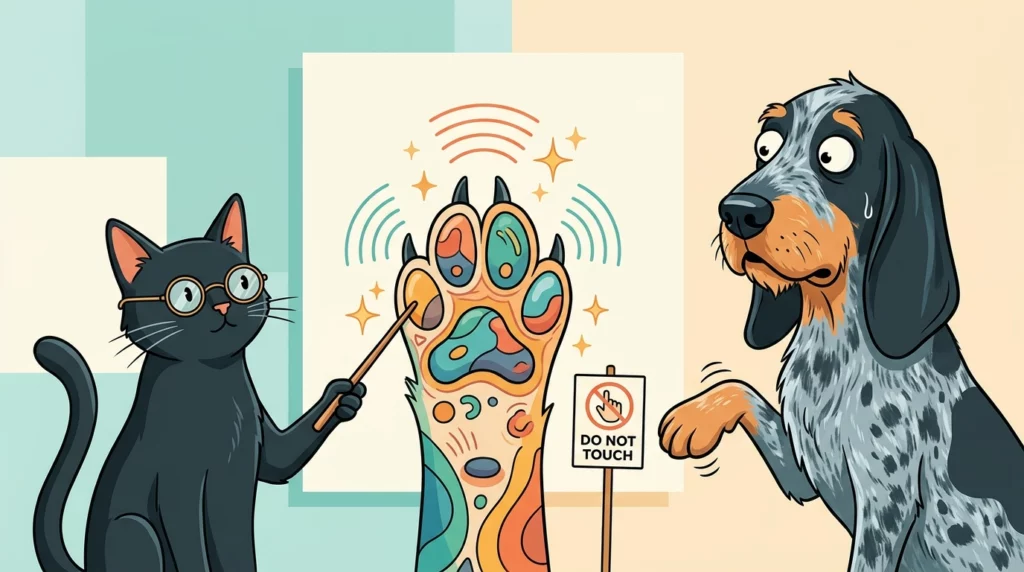
To understand why dogs are so protective of their feet, we have to look at the anatomy. A dog’s paw isn’t just a leather shoe they wear; it is a highly sophisticated sensory organ.
According to veterinary science, paw pads are packed with a dense network of nerve endings, blood vessels, and specialized receptors. These receptors are crucial for proprioception—the body’s ability to perceive its own position, movement, and spatial orientation. Their paws tell them about the texture, temperature, and slope of the ground beneath them, and even detect tiny vibrations in the earth.
Because their feet are so incredibly sensitive, being touched there can feel less like a gentle caress and more like being tickled or startled. Imagine someone suddenly grabbing your bare foot while you’re trying to walk. It’s jarring! For a dog, an unexpected hand on their paw can trigger an instant, involuntary tickle-reflex or sensory overload, causing them to pull back immediately.
2. The Evolutionary Fear of Being Trapped
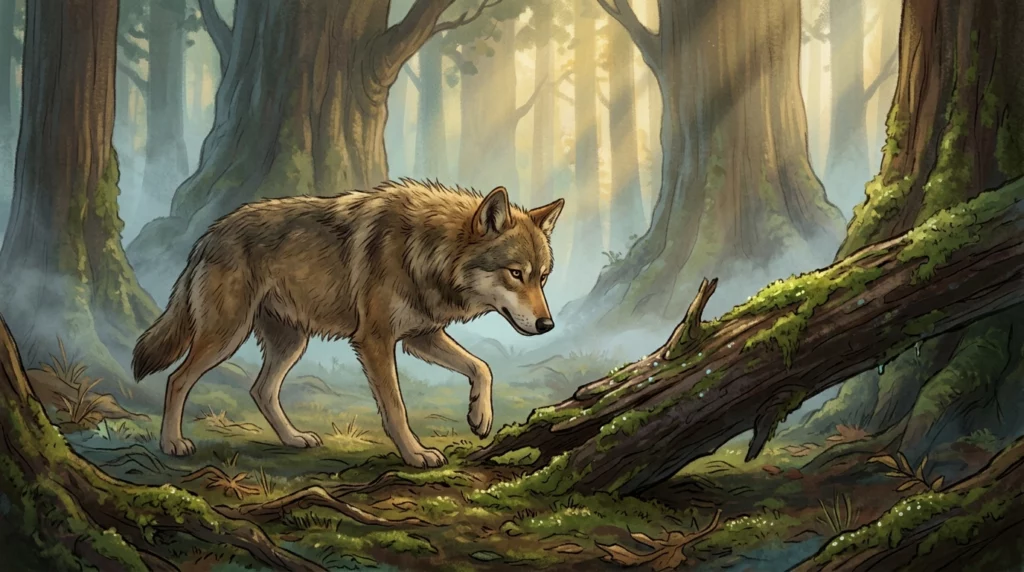
Let’s travel back in time. Long before dogs slept on memory-foam beds and wore designer raincoats, they were cursorial predators. This is a fancy scientific way of saying they survived by running. Running to catch prey, and running to escape danger.
As noted by behavior experts on Wag!, a dog’s paws are their ultimate survival tool. If a dog’s feet are injured or trapped, they cannot run. In the wild, a dog that cannot run is a dead dog.
When you grab your dog’s paw, you are effectively taking away their primary defense mechanism. Even the most domesticated, pampered pup retains this ancient evolutionary coding. Holding a paw can trigger a subtle “fight or flight” response because, on a deep subconscious level, your dog feels trapped. This is especially true for the front paws, which are highly visible and crucial for quick pivots.
3. The Dreaded Nail Clipper Trauma
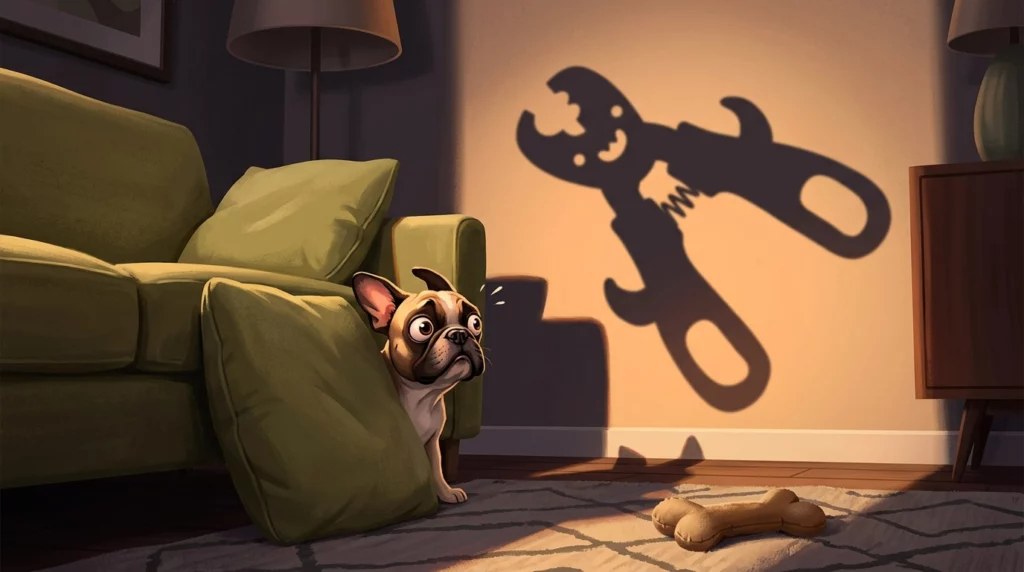
Let’s be honest with ourselves: most dogs have a very specific reason to fear paw handling, and it usually involves a pair of metal clippers.
A dog’s nail contains the “quick,” a highly sensitive area rich with blood vessels and nerves. If you (or a groomer) have ever accidentally cut the quick, you know it bleeds heavily and hurts immensely. As highlighted by Pets4Homes, it only takes one bad experience with nail trimming to create a lifelong association of fear and pain with paw touching.
If your dog sees you reaching for their feet and immediately hides under the sofa, they aren’t just being dramatic (leave the drama to me, please). They are genuinely remembering a time when paw-touching resulted in a sharp, painful pinch.
How to Teach Your Dog to Tolerate Paw Touches
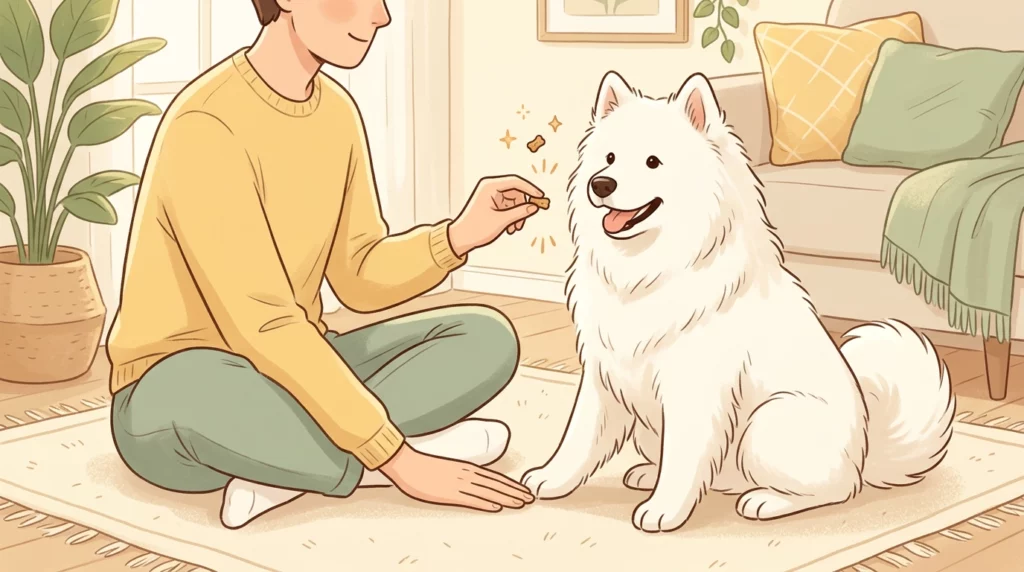
Whether you need to wipe muddy paws after a rainy walk or trim their nails without a wrestling match, you need your dog to trust you with their feet. Fortunately, you can change their mind through patient desensitization and counter-conditioning.
According to the touch sensitivity guidelines from Best Friends Animal Society, the key is to go incredibly slowly. Here is the step-by-step method I recommend (and have successfully trained Niki to tolerate):
- Step 1: Start with “Safe” Zones. Pet your dog in a place they love, like their shoulder or back. Slowly slide your hand down their leg, stopping well before you reach the paw. Reward them with a high-value treat just for staying calm.
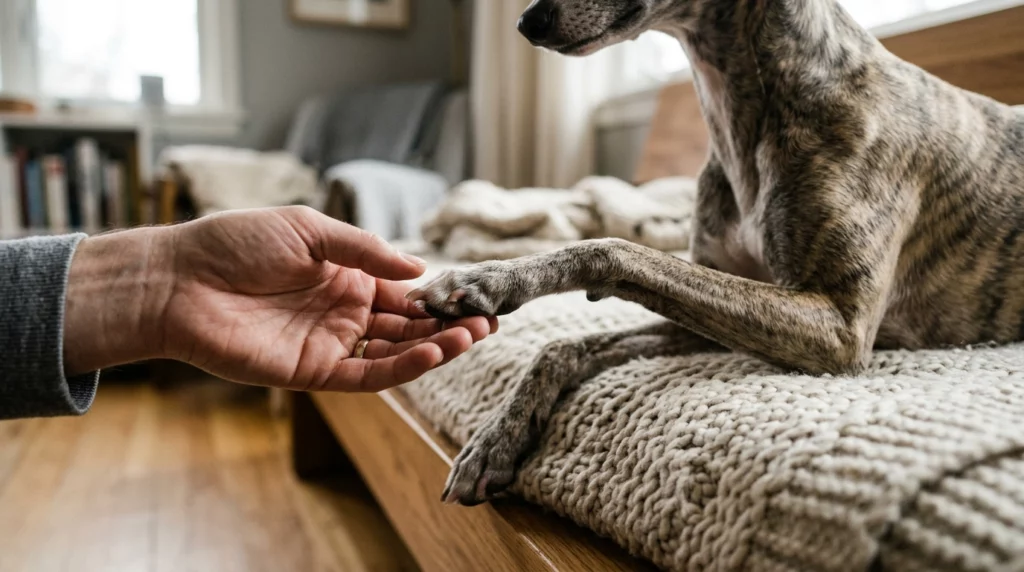
- Step 2: The Briefest Touch. Gently brush your fingers against the top of their paw for literally one second. Immediately feed them a treat and praise them. Do not grab or hold the paw yet.
- Step 3: Build Duration. Gradually increase the time your hand rests on their paw. One second becomes three seconds, then five. Always follow up with a delicious reward. If they pull away, you went too fast. Go back a step.
- Step 4: Introduce Handling. Once they are comfortable with your hand resting on their paw, try gently lifting it just an inch off the ground. Place it back down gently, treat, and repeat.
- Step 5: Toe Mimicry. Eventually, practice gently separating their toes or touching their nails with your fingers to simulate a nail trim. Keep the treats flowing!
A Final Word of Caution: Watch for Pain
While most paw avoidance is behavioral, a sudden change in how your dog reacts to their feet being touched can indicate a medical issue. If your normally relaxed dog suddenly growls, snaps, or whines when you touch a specific paw, check for signs of trouble. They might have a torn nail, a thorn embedded in their pad, a bee sting, or joint pain from arthritis. If you suspect pain, skip the training and head straight to the vet.
Respect your dog’s boundaries, keep your training sessions short and sweet, and remember that trust is built in millimeters, not miles. Now, if you’ll excuse me, I have a warm patch of sunlight calling my name, and a certain blue dog to keep in line. Keep your hands off the paws, humans!