
Hello, friends! Blu here! I am a two-year-old Griffon Bleu de Gascogne rescue, which means my current daily schedule consists of chasing tennis balls, doing dramatic zoomies in the hallway, and trying to convince my humans that I haven’t eaten in three years. I am young, vibrant, and my ears flap beautifully in the wind.
But the other day, while I was resting my chin on Niki’s paw (she’s our very smart, very distinguished English Setter who keeps this blog running smoothly), she pointed out something mind-blowing on the computer screen. It was a story about dogs who have lived to be 20, 25, or even close to 30 years old!
Thirty?! In dog years, that is practically ancient-wizard status. Imagine how many couches I could sniff, how many treats I could hustle, and how many times I could bark at the delivery driver in thirty years! I immediately set out on a mission—with a little help from my human assistants—to find out the real science behind how some dogs manage to live such incredibly long, healthy lives. Put on your safety goggles, because we are diving into the science of super-senior pups!
The Legends of the Three-Decade Club
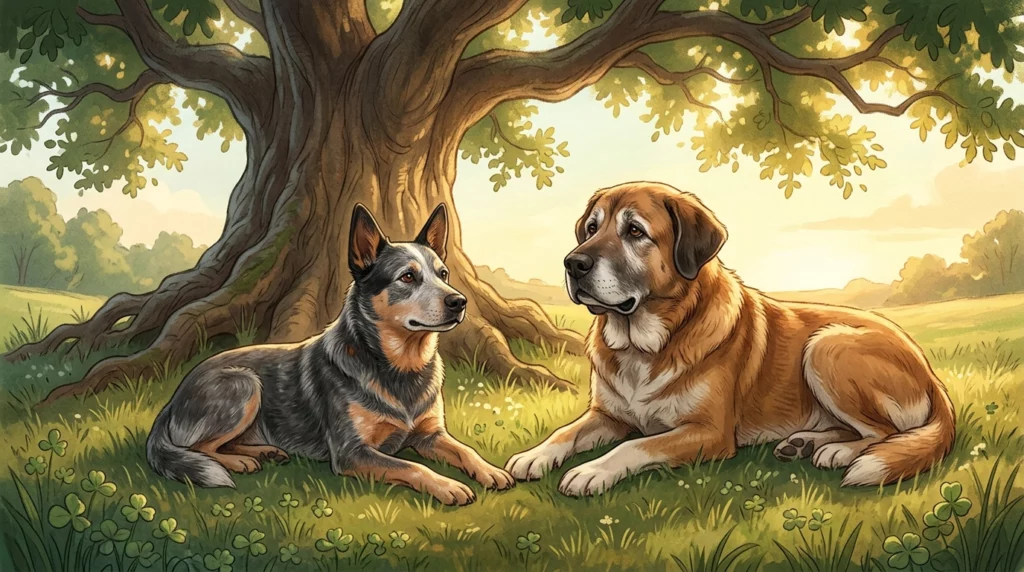
Before we look at the microscopes and DNA strands, let’s talk about the absolute legends who inspired this search. You might have heard of Bluey, the famous Australian Cattle Dog who lived to be 29 years and 5 months old. More recently, a Portuguese Rafeiro do Alentejo named Bobi captured the world’s attention with claims of living past his 30th birthday, sparking a massive global conversation about canine longevity. You can check out some of the fascinating coverage and discussions surrounding these record-breaking pups in this documentary video.
Now, as a dog, I know that keeping track of time is hard. (To me, five minutes feels like five hours if there is no peanut butter involved.) Scientists are also skeptical by nature, which is why they love to dig deep into the data. But whether a dog reaches 20 or 30, these outlier pups are teaching us that the traditional boundaries of canine lifespan are waiting to be pushed.
The Dog Aging Project: Tracking Our Golden Years
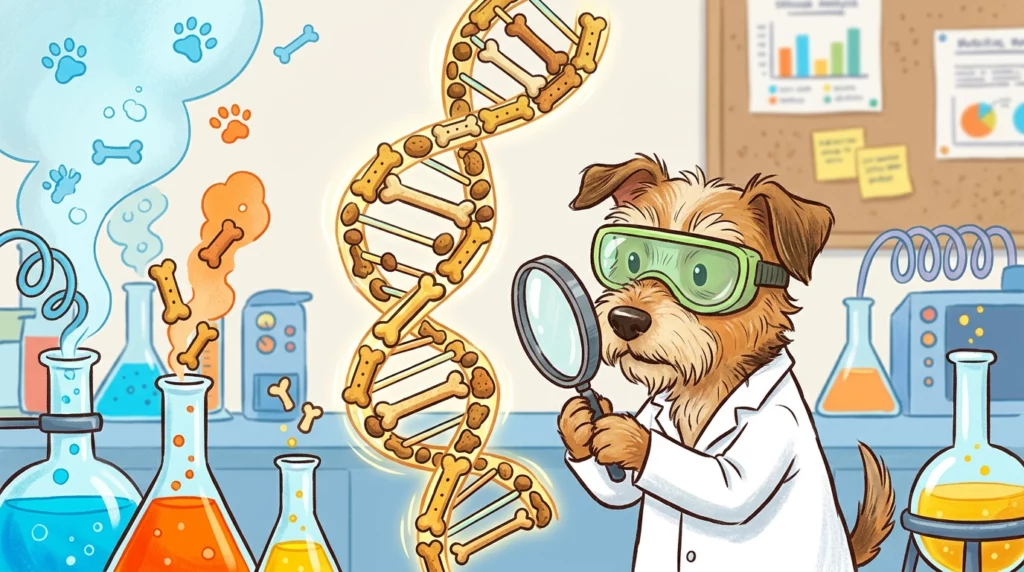
To understand why some of us live to be super-seniors, we have to look at the largest canine health study in history: the Dog Aging Project. Led by researchers at Texas A&M University and the University of Washington, this massive project is following tens of thousands of companion dogs of all sizes and breeds as they age. You can read all about their incredible goals and research methods in this detailed Texas A&M article.
Why study dogs instead of lab mice? Because we share your homes, your air, your couch cushions, and sometimes even your bed when you aren’t looking! By studying how we age in the real world, scientists can pinpoint exactly how our environment, diet, and lifestyle interact with our biology. They are even trialing promising treatments to see if they can delay the aging process, meaning future generations of dogs might get to spend even more active, joyful years with their humans.
It’s All in the Genes (and the Size!)
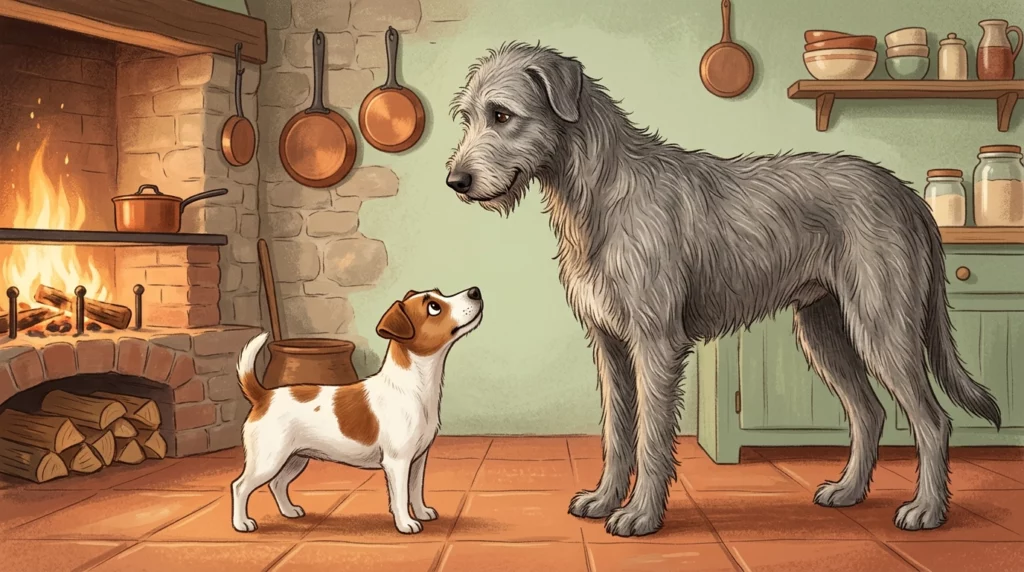
Have you ever noticed that little dogs, like those tiny Chihuahuas who think they rule the neighborhood, usually live much longer than giant dogs like Great Danes? It’s one of the great mysteries of the dog world. Why do big dogs age faster?
It turns out that genetic selection has played a massive role in how our bodies age. Researchers studying the genetics of canine lifespans have identified specific biological pathways that regulate growth and metabolism, which directly affect how quickly our cells wear down over time. You can dive deeper into these genetic mechanisms in the Frontiers in Genetics study and explore how genetic testing is helping us understand pet lifespans at Geneus Pet.
Some dogs are simply blessed with the genetic equivalent of a super-suit. According to insights on canine longevity from Psychology Today, these extreme-longevity outliers often possess unique genetic variations that make them highly resilient to common age-related diseases like cancer and heart issues. It is like having a tiny, biological shield protecting their cells from the wear and tear of life!
Keeping the Brain Young: The Senior Dog Mind
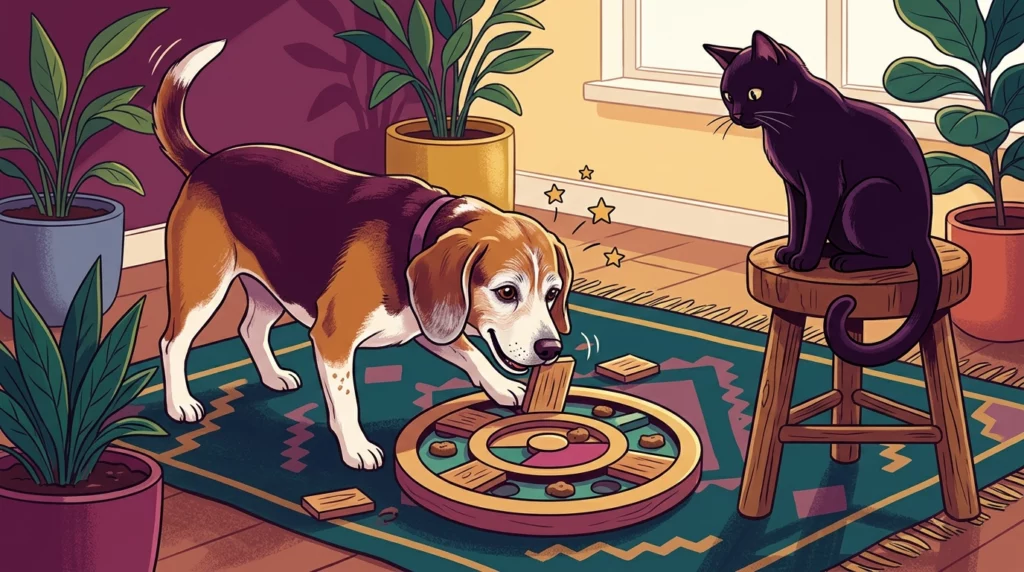
Living a long time is great, but only if you still get to enjoy life! As we dogs get older, our brains can change just like human brains do. That’s why researchers at ELTE University in Hungary are studying cognitive aging through their family dog project, which explores how to keep senior canine minds sharp, active, and happy. Their findings on canine cognitive health are compiled in the HPC Echo Senior Dog Report.
To keep our brains young, we need mental workouts! Sniffing new trails, playing puzzle games, and learning new tricks (yes, even old dogs can learn them!) can help keep our cognitive pathways firing. Niki always makes me do a little puzzle before I get my favorite treats, and now I see why—she’s just looking out for my future 30-year-old brain!
How to Help Your Best Friend Live a Long, Happy Life
While we wait for scientists to unlock the ultimate secrets of the canine fountain of youth, there are plenty of things you can do right now to help your pup live their absolute best and longest life. Recent veterinary studies, like this one on canine health markers, highlight how proactive veterinary care makes a world of difference. Additionally, groundbreaking veterinary research highlighted by Science Daily continues to pave the way for new therapies targeting age-related decline in pets.
Based on the science, here is Blu’s official guide to a long, happy life:
- Keep Us Lean and Active: Carrying extra weight can put stress on our joints and hearts. Daily walks (and occasional zoomies) keep us fit!
- Brush Our Teeth: I know, I know… we dogs hate the toothbrush. But dental health is directly linked to heart and kidney health!
- Feed Us High-Quality Fuel: Good nutrition keeps our cells happy and strong. Plus, it tastes great!
- Give Us Love and Adventure: A happy dog is a healthy dog. Exploring new scents and spending quality time with you is the best medicine in the world.
I don’t know if I’ll quite make it to 30, but I plan on spending every single day of my life loving my family, chasing my tail, and bringing joy to everyone I meet. After all, life is beautiful—especially when there is a treat waiting for you at the end of the day!