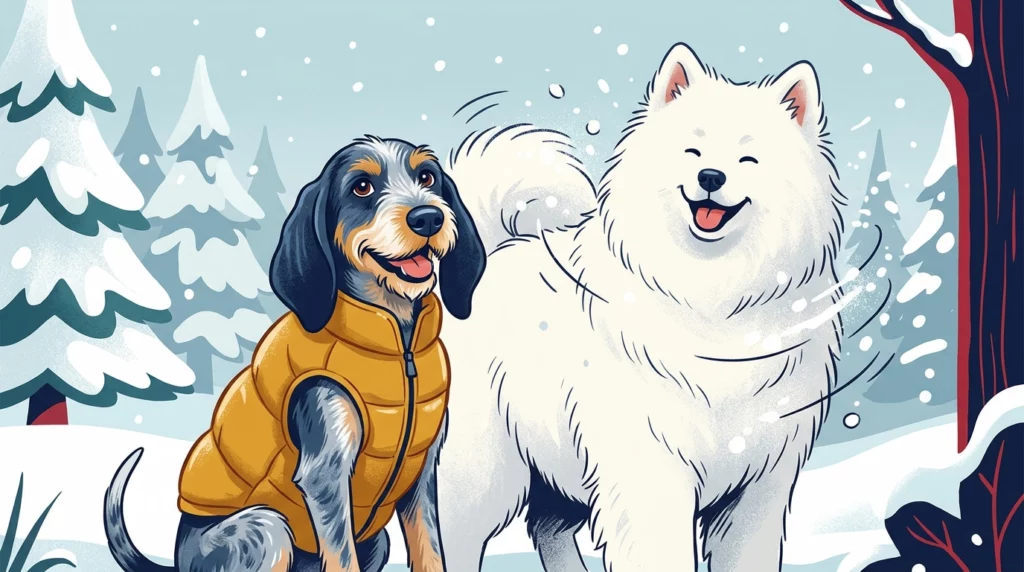
AROOO! Blu here, your favorite blue-mottled Griffon Bleu de Gascogne rescue pup, reporting live from the coldest spot on the living room rug (right where the heater draft *almost* reaches). Since the frost is settling on the grass and my morning sniff-safaris are getting distinctly chilly, humans everywhere are asking the ultimate winter question: Does my dog actually need a sweater, or are you just using me as a dress-up doll?
As a dog with a sleek, short-to-medium coat, I have some thoughts. But because Niki (our very serious, very smart English Setter editor) threatened to confiscate my favorite squeaky bone if I didn’t back up my opinions with actual science, I did some deep digging. Here is the ultimate, vet-approved guide to keeping your pup cozy—without overheating them!
The Great Thermoregulation Game: How Dogs Stay Warm
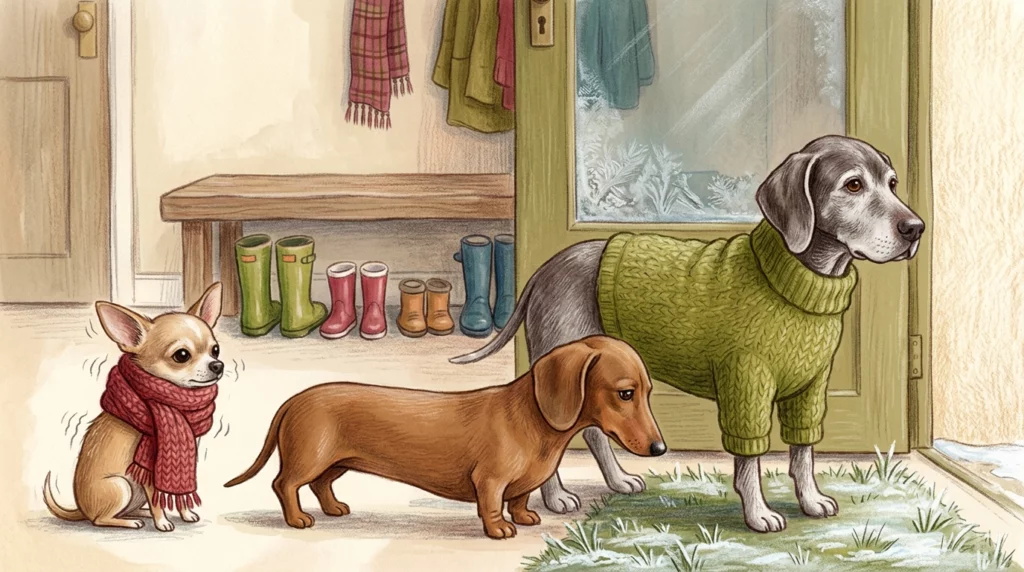
First, let’s talk biology. Dogs are amazing. According to research on canine thermoregulation archived in the CABI Digital Library, our bodies are naturally pretty great at keeping us warm. We have a higher baseline body temperature than you humans (usually between 101°F and 102.5°F, or 38.3°C to 39.2°C).
But here is the catch: we aren’t all built the same. A Siberian Husky is basically a walking, fluffy marshmallow designed for the Arctic tundra. Me? I’m a hound. I’ve got single-layer fur and a belly that gets dangerously close to the frosty grass when I’m tracking a scent. Our biological defenses can only do so much before we start shivering.
The “How Cold is Too Cold?” Temperature Guide
You don’t need to put a coat on your dog the second the calendar hits November. In fact, overheating a dog is just as dangerous as letting them get too cold. Experts at Aunt Lucy’s Dog Training break down the temperature thresholds like this:
- 45°F (7°C) and above: Most dogs are completely fine. No coats needed, unless you have a tiny, hairless pup who gets chilly looking at an ice cube.
- Under 45°F (7°C): Cold-sensitive dogs (small breeds, thin coats, seniors) might start feeling uncomfortable. Keep an eye out for shivering.
- Under 32°F (0°C): The freezing point. Small breeds, short-haired dogs, puppies, and senior dogs should definitely wear a coat.
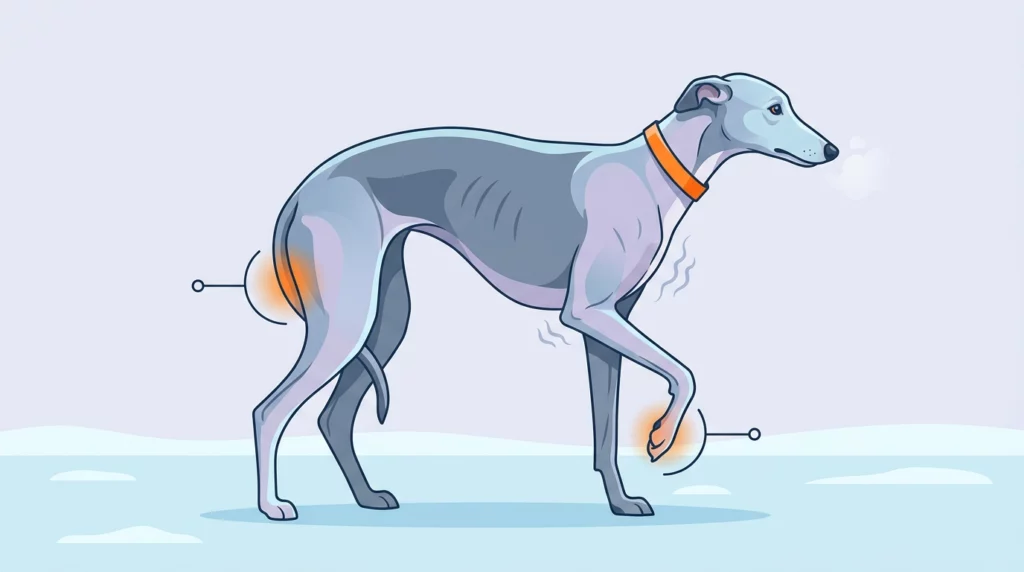
- Under 20°F (-6°C): This is the danger zone. Regardless of breed, prolonged exposure to these temperatures can lead to hypothermia or frostbite on sensitive areas like paws, ears, and tails, as warned by CBS19 Weather Experts. Keep walks short!
Who Needs a Winter Coat? (The VIPs of Warmth)
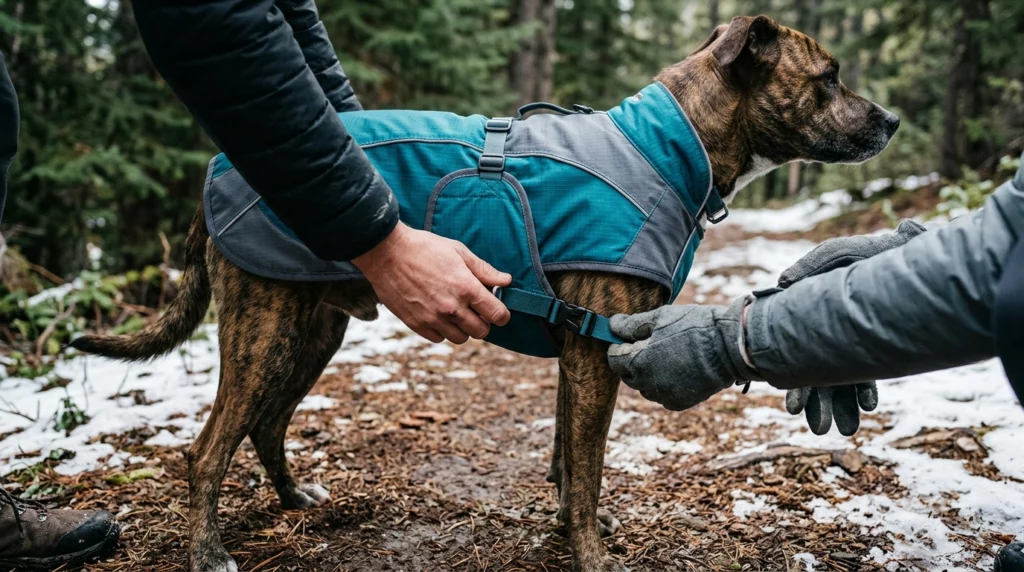
Just because you are shivering in your parka doesn’t automatically mean your dog needs a jacket, according to the RSPCA NSW. However, there are specific groups of dogs who absolutely need that extra layer of insulation:
1. The Low-Riders and Tiny Pups
Chihuahuas, Toy Poodles, French Bulldogs, and Dachshunds lose body heat incredibly fast because of their high surface-area-to-mass ratio. Also, if your belly literally drags through the snow (I’m looking at you, Corgis), a waterproof coat is a must to keep your chest dry.
2. The Sleek and Fine-Haired
Greyhounds, Whippets, Boxers, and even me, a Griffon Bleu, don’t have a thick undercoat to trap body heat. Without a jacket, the wind cuts right through our fur!
3. The Golden Oldies and Puppies
My friends at Rosewood Veterinary Group point out that older dogs, especially those living with arthritis, suffer much more in the cold. Cold weather makes joints stiff and painful. A warm coat keeps those joints loose. Puppies also struggle to regulate their own body temperature and need a little help staying snug.
4. Dogs with Medical Conditions
If a dog is recovering from an illness, has a compromised immune system, or has shaved spots from a recent vet visit, they need protection from the elements.
Blu’s Pro-Tip: If your dog is a double-coated breed like a Golden Retriever, German Shepherd, or Samoyed, please do not put a heavy coat on them! Their undercoat is designed to trap warm air. Adding a heavy jacket can actually compress their natural fur, making them less able to stay warm, and can cause them to overheat.
How to Tell If Your Dog Is Actually Cold
Since we can’t speak human (though I do a very expressive bark-whine combo when my food bowl is empty), you have to watch our body language. Look out for these signs during your winter walks:
- The Shiver: The most obvious sign! If we are trembling, it’s time to go inside.
- The Hunch and Tuck: Walking with a hunched back and a tightly tucked tail means we are trying to protect our warm bellies.
- The “Cold Paw” Dance: Whining, stopping, or lifting one paw off the frozen ground is a clear sign our paws are freezing.
- Slowing Down: If your energetic pup suddenly acts lethargic or wants to turn back toward home, respect the hint!
Choosing the Right Winter Coat: Style Meets Function
If you’ve decided your pup needs a coat, don’t just grab the cutest knit sweater off the rack. There are some serious safety and comfort rules to follow, as detailed by the gear experts at Oscar & Plume and Taconic Veterinary:
Check the Material
Knitted sweaters are cute for indoor lounging, but they are terrible for wet snow. If a knit sweater gets wet, it traps cold moisture right against your dog’s skin, which actually makes them colder, warns Dogs Love. Look for water-resistant or waterproof outer shells with a fleece lining for outdoor walks.
Prioritize Mobility
A good coat should protect the neck and belly while leaving the legs completely free to run, jump, and do the “zoomies.” Avoid coats that restrict shoulder movement or cover the back legs completely unless it’s a specialized, high-performance dog suit.
No Snags or Choking Hazards
Look for coats with simple Velcro closures. Avoid zippers that can catch on long fur (ouch!), and steer clear of dangling ribbons, hoodies that block our vision, or beads that we might chew off and accidentally swallow.
Wrapping It Up (Literally!)
Winter is an amazing time for outdoor adventures. Personally, I love the way the cold air smells—it’s like a fresh newspaper of neighborhood gossip! But staying safe means knowing when to bundle up.
If your pup falls into the short-haired, small, or senior category, do them a favor and find a well-fitting, windproof jacket. They will thank you with plenty of warm tail wags and cozy couch cuddles afterward. Now, if you’ll excuse me, I see a very suspicious patch of frost in the backyard that needs my immediate attention. Stay warm, friends!