
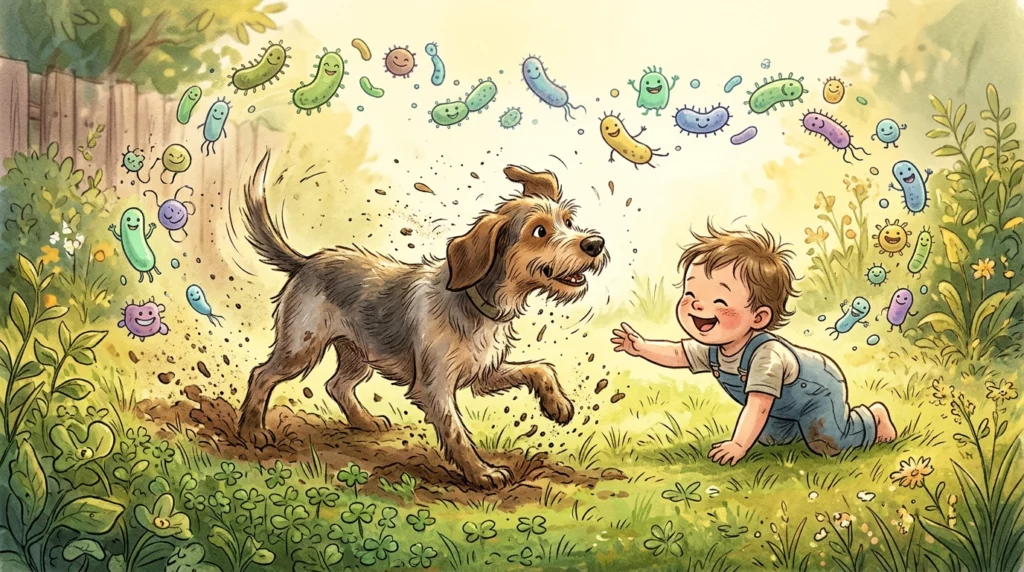
Hello darlings. Niki here. As a five-and-a-half-year-old English Setter of exceptionally refined taste, I appreciate a spotless salon visit and a silky coat as much as any dog. However, I must be frank: human beings have developed a somewhat neurotic relationship with antibacterial wipes. Whenever Blu—our lovely, albeit chaotic, rescue hound—trails a sprinkling of garden topsoil across the rug, or bestows a moist, enthusiastic kiss upon a visiting toddler, humans tend to gasp as if a biological hazard warning was declared.
As the resident content curator at SnoutScoop, I consider it my sacred duty to elevate our editorial standards above baseless human panic. I have personally reviewed the pediatric and immunological research, and I am delighted to report my findings: that modest amount of dog dirt and gentle slobber is actually a masterclass in immune system training for young children.
The Hygiene Hypothesis: Why Clean Isn’t Always Better
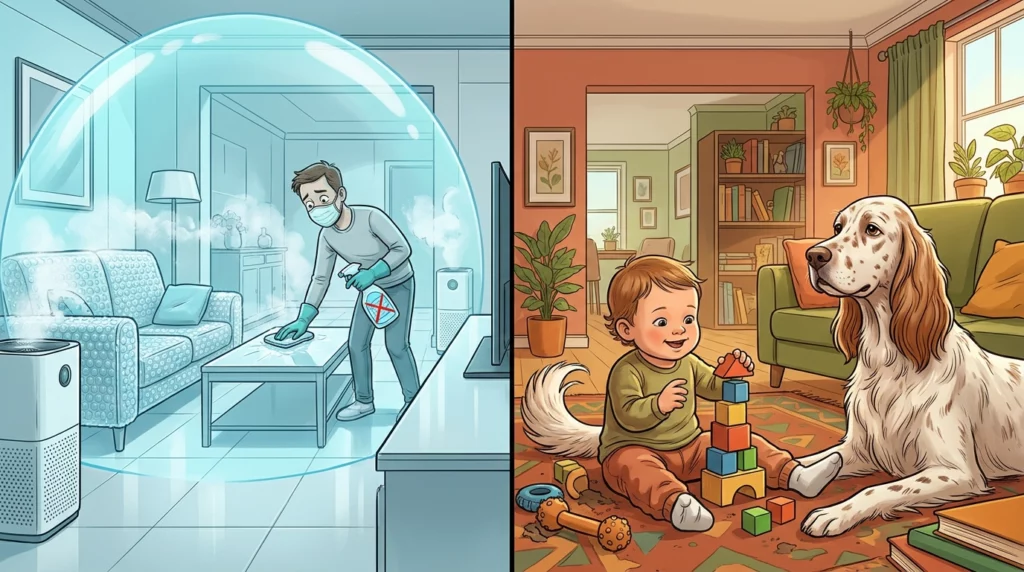
For decades, medical philosophy operated under a simple premise: germs are bad, cleanliness is good, and a sterile home is the ultimate goal. While washing hands before dinner remains sound advice, scientists began noticing a baffling trend in late 20th-century Western society. As homes grew cleaner and antibacterial products proliferated, rates of childhood allergies, eczema, and asthma skyrocketed.
Enter the Hygiene Hypothesis. The core idea is simple: a child’s immune system is born relatively naive. It needs early, diverse biological input to learn how to distinguish between genuine threats (like harmful viruses) and harmless environmental particles (like pollen or dust). Without enough training, an under-stimulated immune system gets bored and starts panicking over harmless things—resulting in allergies and autoimmune conditions.
This is where we canine health ambassadors step in. As outlined in guidance from Orlando Health, growing up with a pet introduces a rich variety of microscopic organisms into the household environment. Far from making children sick, this early exposure acts like an gym workout for developing immune systems, building resilience from infancy.
The Microbiome Revolution: What Dogs Bring into the House
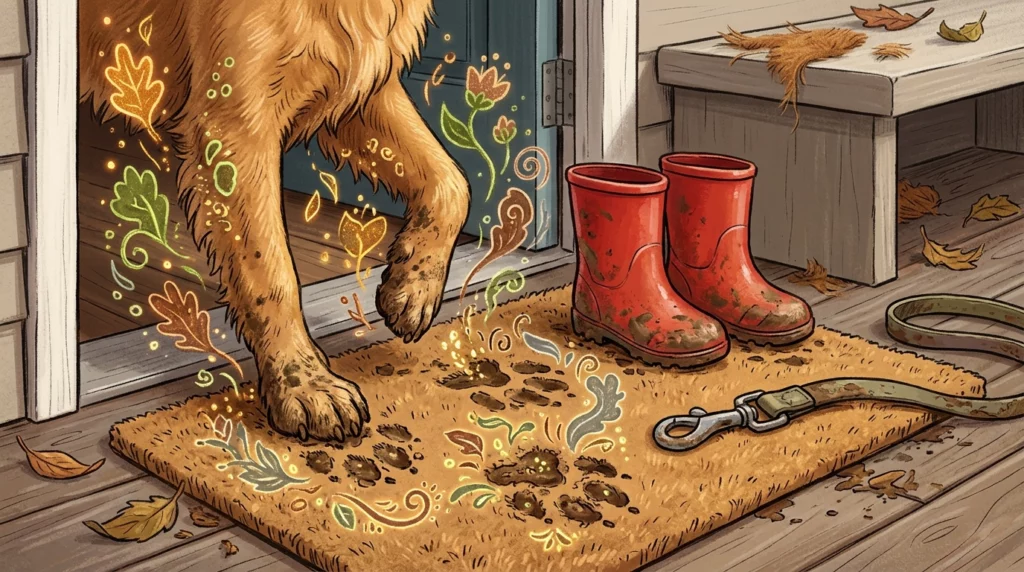
When a dog trots in from an afternoon romp, we carry far more than just visible twigs and mud. We carry a vibrant, diverse ecosystem of beneficial microbes on our fur, paws, and breath. And according to modern science, that microbial diversity directly enriches the human gut microbiome.
In a landmark study highlighted by Time, researchers from the University of Alberta analyzed gut bacteria samples from infants and discovered that those who grew up in households with pets—predominantly dogs—had significantly higher levels of two crucial gut microbes: Ruminococcus and Oscillospira.
Why should you care about micro-flora with Latin names? Because these specific microbes are strongly associated with lower risks of childhood allergies and a reduced likelihood of childhood obesity. Remarkably, the study noted that these microscopic benefits were transferred even when exposure occurred in utero while the mother was pregnant with a dog in the home.
As summarized in research featured on Beyond Health and further reviewed in comprehensive academic articles on ResearchGate, living with a house dog fosters an environment where healthy bacteria outcompete harmful pathogens. We are, quite literally, natural probiotics with wagging tails.
Slashing Asthma and Allergy Risks Before Age One
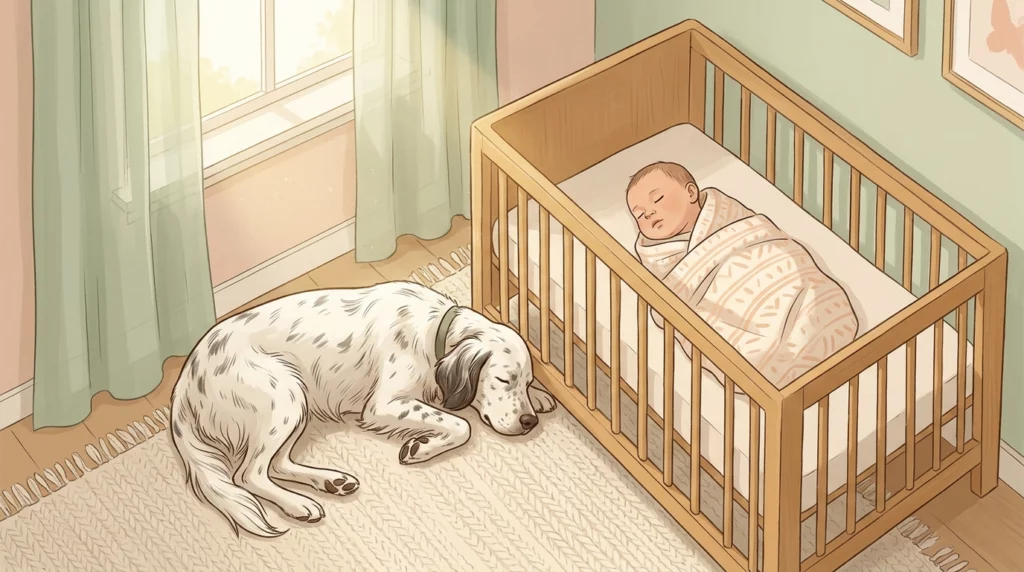
Perhaps the most convincing evidence in favor of canine companionship comes from large-scale population studies focused on respiratory health. Many parents historically worried that pet dander would trigger asthma in young children. Modern data has flipped that assumption completely on its head.
A massive nationwide Swedish study of over one million children, reported by Time and detailed by The People’s Pharmacy, revealed that exposure to a dog during the first year of life was associated with a 13% lower risk of developing asthma in school-aged children. For kids who grew up on farms with working dogs and farm animals, the reduction in asthma risk was an astounding 52%.
Timing is everything here. The critical window appears to be infancy. When babies are exposed to canine-associated microbes early on, their developing immune cells learn tolerance. According to modern biomedical synthesis available on PMC (PubMed Central), this early exposure helps calibrate white blood cell responses, preventing the hyper-reactive inflammatory spikes that characterize allergic asthma and eczema later in life.
Niki’s Guidelines for a Healthy, Dog-Friendly Home
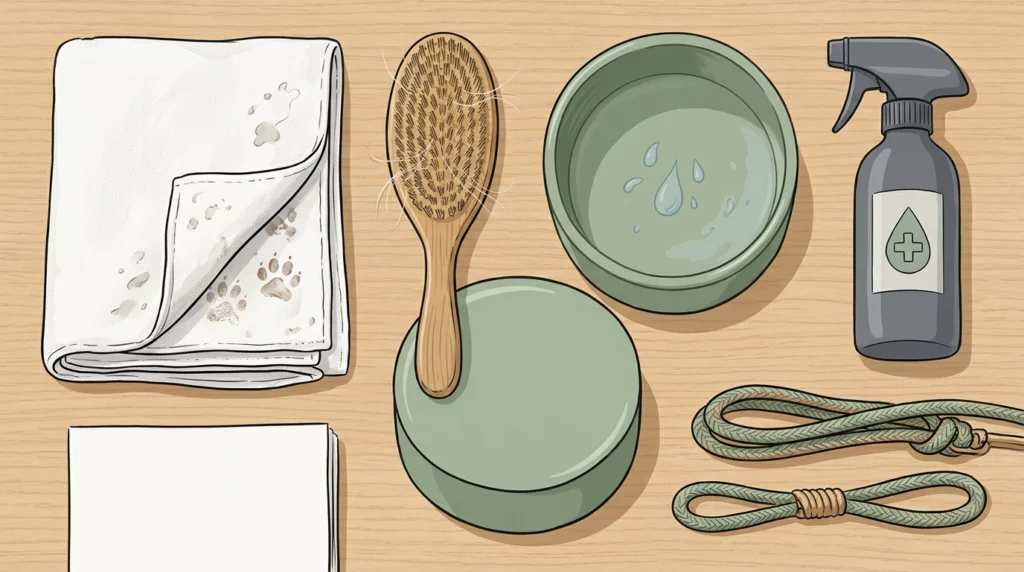
Now, as an English Setter who insists on precise quality control, I am certainly not suggesting you throw out your mop or let your toddler drink from the dog bowl. We must maintain decorum! However, parents can easily balance proper sanitation with immune-boosting pet interaction:
- Don’t panic over gentle slobber: If your well-vaccinated dog gives your toddler a quick lick on the hand or cheek, there is no need to scrub the child with surgical soap. A simple, gentle wipe with water is plenty.
- Let them play together on the floor: Tummy time on a clean living room rug where the dog also slumbers is a wonderful way for babies to share in that beneficial household microbiome.
- Maintain routine veterinary care: The immune-boosting benefit comes from healthy dogs. Keep your pups up-to-date on routine vaccinations, parasite prevention, and flea treatments so the dirt they carry is the good kind, not the parasitic kind!
- Keep sensible hygiene boundaries: Open wounds, infant mouths, and eyes should still remain off-limits to dog tongues, and handwashing before meals remains standard operating procedure.
For more practical parenting observations on pet-friendly households, community resources like TeachMama offer wonderful real-world insights into balancing family life, pets, and children’s wellness.
The Verdict: Dogs Are Personal Trainers for the Immune System
So the next time you see Blu coming in from the garden with dusty paws, or catch me resting my head gently on a child’s knee, remember: we aren’t just bringing affection into your living room. We are bringing a sophisticated, evolutionary gift that keeps young immune systems sharp, resilient, and ready for the world.
Embrace the warmth, tolerate a tiny bit of dirt, and let your children enjoy the healthiest childhood companions nature ever devised. Until next time, keep your standards high and your dog treats handy!