A Message from Blu: The Joy of the Beautiful Blend
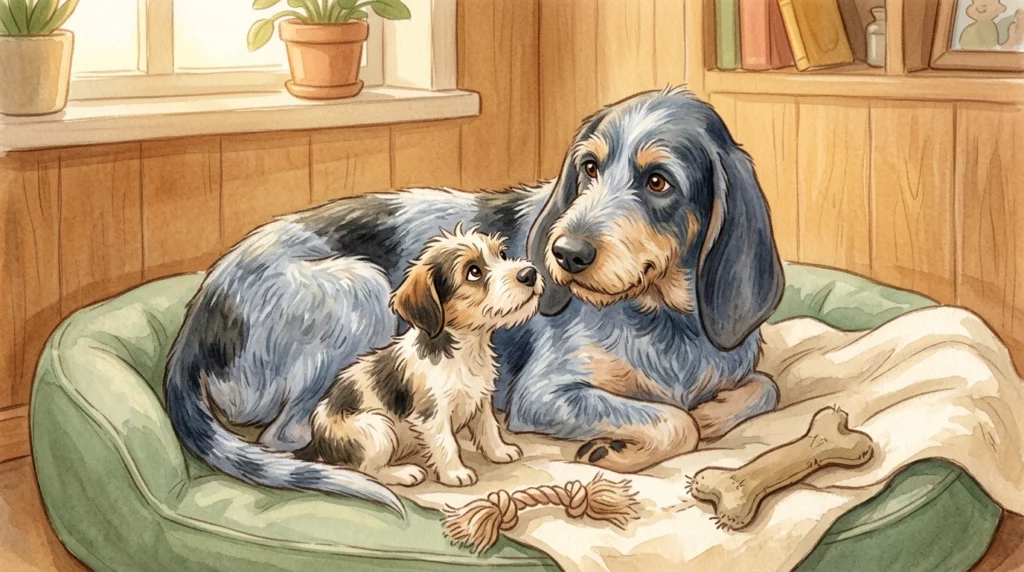
Hello, human friends! Blu here, your favorite high-energy, floppy-eared Griffon Bleu de Gascogne. Now, while my fancy-sounding breed name might make you think I spend my days sipping tea on a velvet cushion, I am actually a proud rescue dog with a massive heart for adventure. And today, I want to talk about some of my absolute favorite canine companions: mixed-breed dogs!
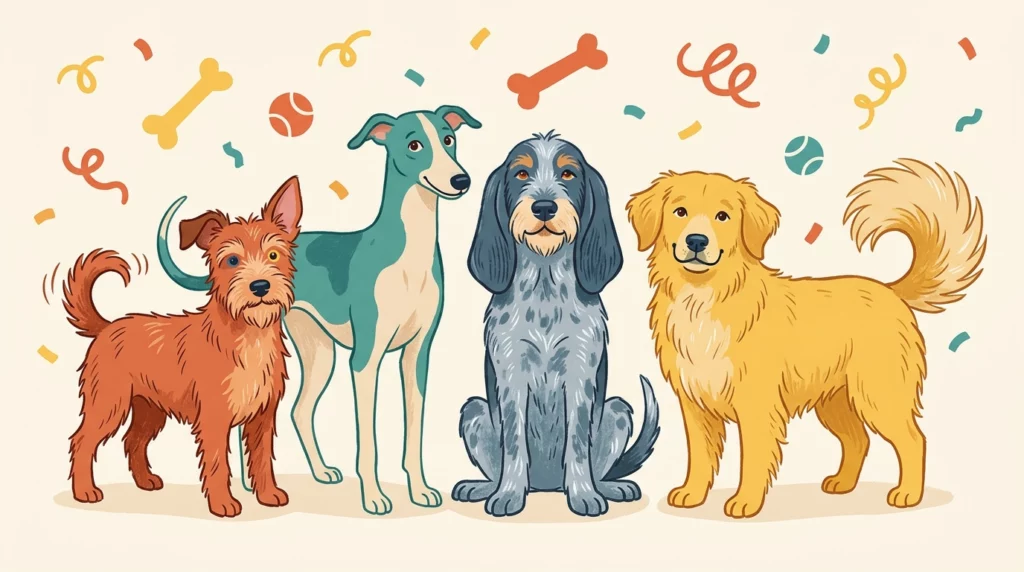
Whether you call them mutts, mixed breeds, designer blends, or “special recipe dogs,” these pups represent the beautiful diversity of the canine world. There is something truly magical about a dog who is completely, undeniably unique—a one-of-a-kind masterpiece with ears that don’t match and a tail that wags to its own rhythm. But beyond their adorable, unpredictable looks, there is some serious science that proves why mixed-breed dogs are absolute superstars. Let’s sniff out the details together!
The Science of “Hybrid Vigor”

First, let’s talk about a super-cool scientific concept called heterosis, which humans often call “hybrid vigor.” To explain this, we have to look at genetics. When dogs have a wide and diverse family tree, they are less likely to inherit two copies of the same mutated gene. Purebred dogs, on the other hand, are bred to meet very specific standards, which naturally narrows their gene pool.
According to research highlighted by Stokeshire Designer Doodles, introducing genetic diversity—whether through intentional crossbreeding or the beautiful chaos of nature—often leads to hardier, healthier pups. This genetic diversity acts like a protective shield against some of the hereditary health issues that frequently plague purebred lines.
But don’t just take my word for it (though I am a very good boy and highly trustworthy). A landmark study conducted by researchers at UC Davis looked at the medical records of over 27,000 dogs. Published in the Journal of the American Veterinary Medical Association (which you can check out via this AVMA publication and read about on UC Davis News), the study found that purebred dogs were significantly more likely to suffer from 10 specific genetic disorders, including cataracts, dilated cardiomyopathy, elbow dysplasia, and allergic dermatitis. While mixed breeds can still get sick (we all need our vet visits!), their broader genetic makeup gives them a distinct advantage when it comes to avoiding many inherited diseases.
Are Mixed Breeds Actually Healthier?
When we look closer at the genetic map of our canine family tree, the benefits of mixed ancestry become even clearer. Research published in the National Institutes of Health (NIH) database explores how genetic diversity directly impacts overall canine health and longevity. Having a diverse genetic background means that harmful recessive traits are less likely to meet up and cause trouble in a dog’s body.
This resilience is one of the main reasons why mixed-breed dogs are so highly valued in demanding roles. Our friends at Medical Mutts—an amazing organization that trains rescue dogs to become service dogs—point out that mixed breeds often possess the perfect combination of physical stamina, longevity, and psychological balance needed for service work. When a dog has a long, healthy life ahead of them, they can spend more years helping their humans navigate the world as service, therapy, or medical alert animals. That is a true superpower!
Debunking the Breed Behavior Myth
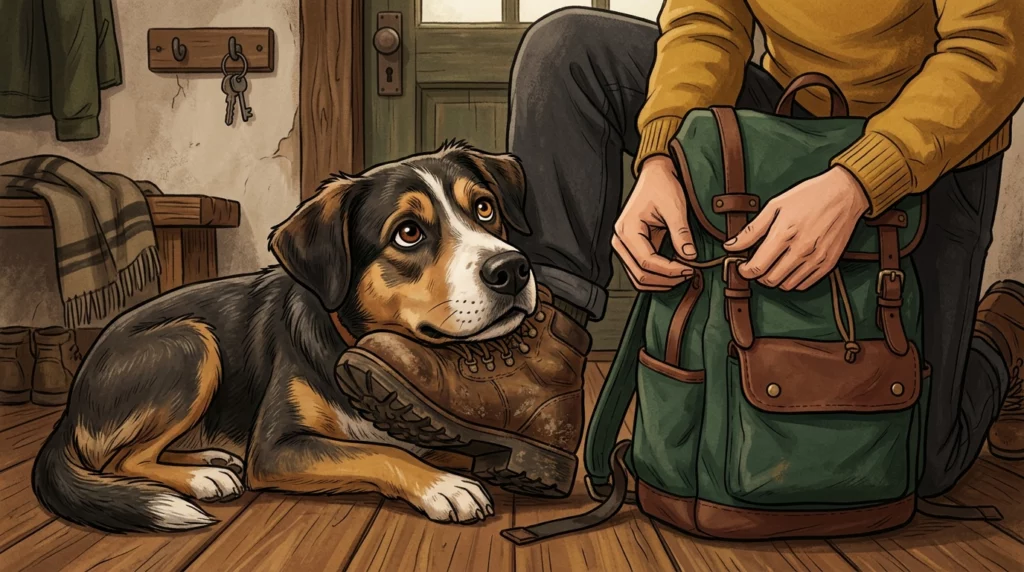
Have you ever heard someone say, “Oh, he’s a Golden Retriever mix, so he must love water,” or “She’s a Terrier mix, so she must be stubborn”? Well, hold onto your treats, because science has some surprising news for us!
A massive, groundbreaking study published in the journal Science (which you can find indexed on PubMed) analyzed the genomes and behaviors of over 18,000 dogs. The researchers discovered that a dog’s breed actually explains only about 9% of their behavioral variation! As the National Canine Research Council explains, this ancestry-inclusive genomics research completely challenges the old stereotypes we have about breeds. You simply cannot predict a dog’s personality or behavior based solely on their breed makeup.
This is where projects like Darwin’s Ark come in. By gathering data from thousands of dog owners, researchers are discovering that every single dog is an individual. Your mixed-breed pup isn’t a pre-programmed robot dictated by their breed percentages; they are a unique soul with their own fears, passions, favorite toys, and quirks. (Just like me—I’m a Griffon, but my true passion is performing dramatic sighs when my dinner is thirty seconds late!)
Why Mixed Breeds Make the Best Sidekicks
If you are thinking about adding a furry friend to your pack, here is why a mixed-breed dog should be at the top of your list:
- One-of-a-Kind Looks: You will never run into another dog at the park who looks exactly like yours. From asymmetrical patches to ears that point in opposite directions, mutts are the ultimate trendsetters.
- The Ultimate Mystery: Wondering what breed your rescue dog is can be incredibly fun! You can run a DNA test or just enjoy guessing with your friends. Every walk is an opportunity to say, “We think she’s part Beagle, part Lab, and part giraffe!”
- Adaptability: Because they aren’t bred for hyper-specific tasks like extreme herding or intense guarding, mixed breeds are often wonderfully adaptable to everyday family life.
- Saving a Life: When you adopt a mixed-breed dog from a shelter, you are giving a deserving pup a second chance at happiness. Trust me, as a rescue dog myself, the gratitude and love we give back is out of this world!
Celebrating Every Single Dog
At the end of the day, whether a dog has a pedigree that goes back ten generations or a family tree that looks like a beautiful, chaotic map of the entire world, we all speak the same language: love, treats, and belly rubs. But mixed-breed dogs hold a special place in our hearts for their resilience, their unique spirits, and the way they remind us that diversity is something to be celebrated.
So, let’s raise a paw to the mutts, the mixes, and the glorious Heinz-57 pups who fill our lives with unpredictable joy. If you have a mixed-breed dog, give them an extra-long ear scratch from me today. You’ve got a real-life genetic superhero on your hands!