Hello, discerning dog lovers. Niki here. As an English Setter of refined taste and a meticulous commitment to keeping things up to paw-level standards here at SnoutScoop, I must ask you a personal question. When was the last time you really looked inside your dog’s mouth?
While my chaotic younger packmate Blu uses his mouth primarily as a vacuum cleaner for dropped kitchen scraps, I prefer to treat my teeth with the respect they deserve. Our chompers are marvelous feats of biological engineering. To help you understand what is happening behind those floppy jowls and happy panting smiles, I have compiled ten fascinating, scientifically verified facts about canine dental anatomy. Let’s sink our teeth into the details!
1. The Math of the Mouth: We Have More Teeth Than You
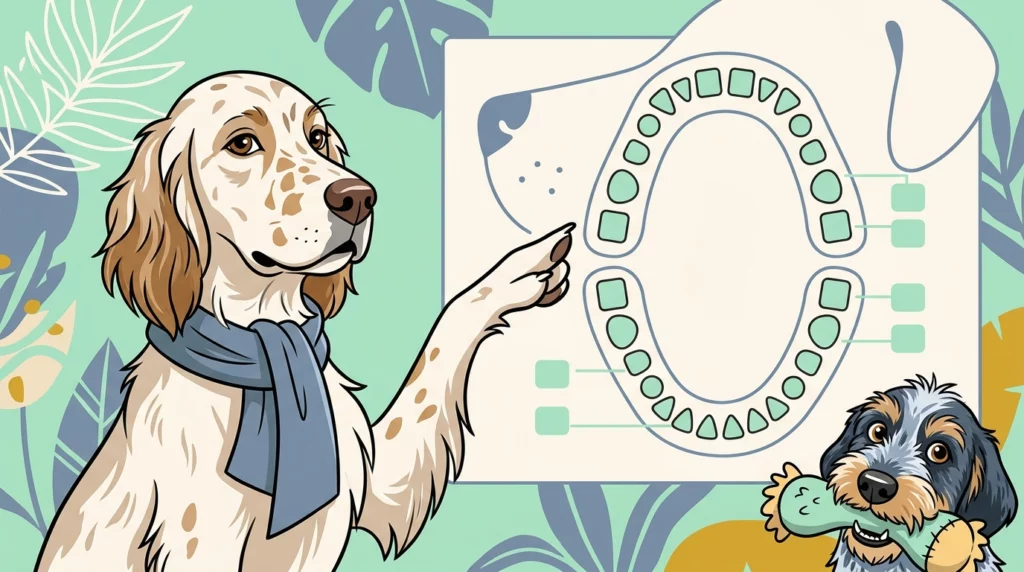
Let’s start with a simple numbers game. Human adults typically have 32 permanent teeth. Well, us dogs have you beat! According to the American Kennel Club (AKC), adult dogs possess 42 permanent teeth. Puppies start out with 28 temporary baby teeth (often called deciduous teeth), which begin to fall out around four months of age to make room for our full adult set.
2. Puppy Teeth Are Needle-Sharp for a Reason
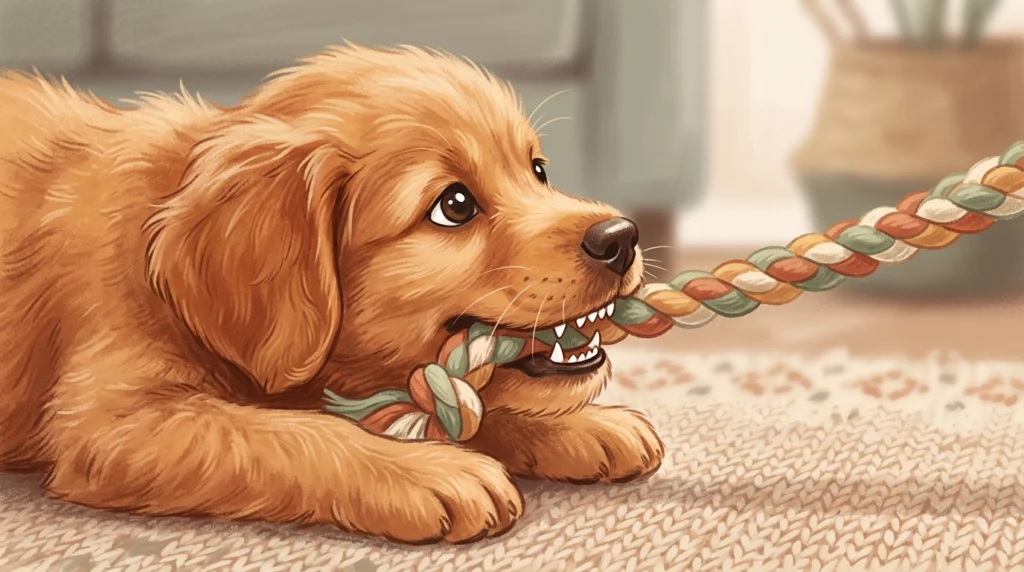
If you have ever been on the receiving end of a playful puppy nip, you know those tiny teeth feel like literal sewing needles. This isn’t a design flaw; it is entirely intentional. As detailed by North Brookhaven Vet, these sharp little points help puppies transition from nursing to solid food, and they play a crucial role in teaching puppy bite inhibition. When we bite our littermates too hard with those needles, they yip and stop playing, teaching us how to control our jaw strength.
3. Our Enamel is Surprisingly Thin
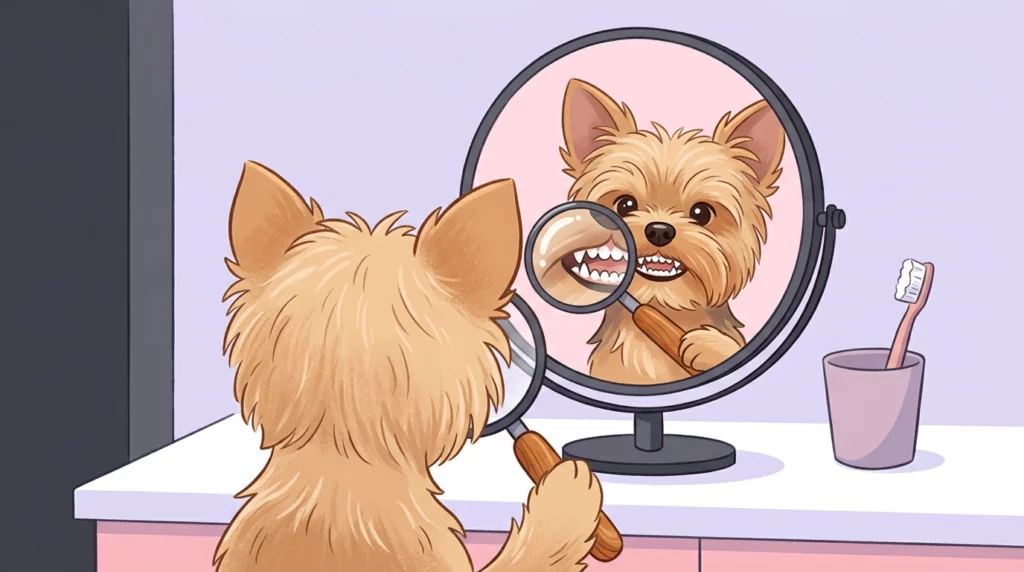
You might think our teeth are indestructible because we love to chew on thick sticks and hard rubber toys. However, canine enamel is actually quite delicate. According to PetMD, dog tooth enamel is about ten times thinner than human enamel. Because our outer protective layer is so thin, we are highly susceptible to chipped, cracked, or fractured teeth if we chew on inappropriate hard objects like deer antlers, cow hooves, or hard plastic toys.
4. Dogs Rarely Get Cavities (But There’s a Catch)
Here is some good news: dogs almost never get traditional dental cavities (known as caries). As explained by VCA Animal Hospitals, this is because the bacteria that cause cavities thrive on sugar, and typical canine diets are very low in simple sugars. Furthermore, the shape of our teeth is pointed rather than flat, which prevents plaque from easily pooling on the chewing surfaces. However, this does not mean we are immune to dental issues—we just face a different opponent: periodontal disease.
5. We Have Specialized “Meat Shears”
Take a look at the large, multi-pointed teeth on the upper side of your dog’s jaw, just before the back molars. These are our carnassial teeth (specifically, the upper fourth premolar and the lower first molar). As outlined in Purina’s canine anatomy guide, these teeth are designed to act like a pair of heavy-duty shears. They slide past each other to slice, sheer, and crush tough food, bone, and meat.
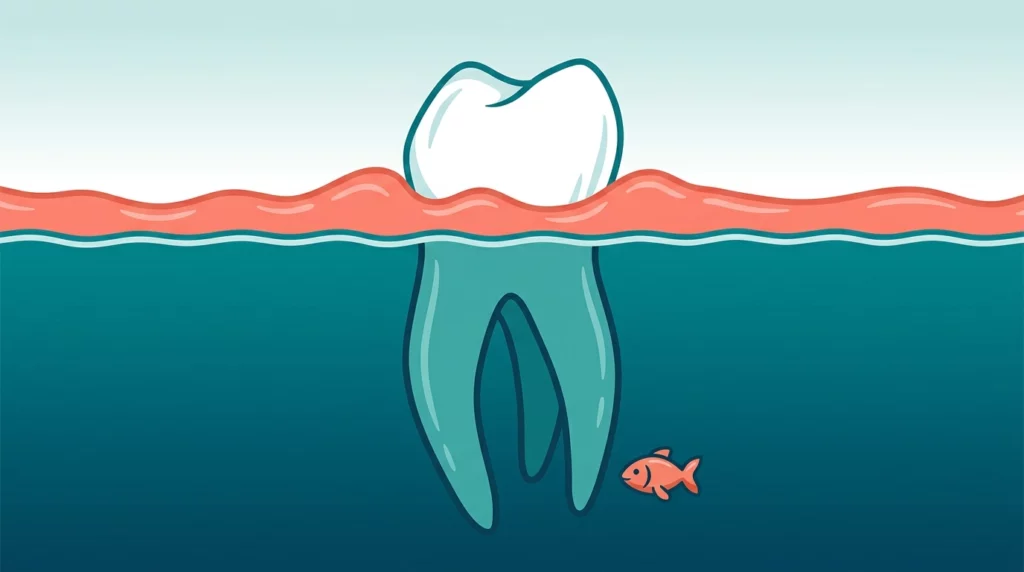
6. The Iceberg Rule: Most of the Tooth is Hidden
What you see when we smile is only the tip of the dental iceberg. A massive portion of a dog’s tooth structure sits quietly beneath the gumline. In fact, the roots of our large canine teeth (the fangs) are twice as long as the visible crown! Because so much is hidden, Tufts University experts emphasize that a visual check of the mouth isn’t enough; professional veterinary dental X-rays under anesthesia are the only way to truly assess what is happening deep within our jaws.
7. Teeth Are Our Ultimate Multitool
Humans have hands to pick up objects, open doors, and scratch itineraries. We dogs must rely on our mouths. According to PetMD, our teeth function as delicate tools for grooming ourselves, carrying precious toys, removing pesky burrs from our fur, and gently exploring the texture of new objects. We aren’t just biting; we are interacting with our environment.
8. Small Dogs Face Big Dental Hazards
While a massive Great Dane and a tiny Chihuahua both ideally have 42 adult teeth, the Chihuahua has to fit those exact same 42 teeth into a mouth the size of a teacup. This leads to severe crowding. The AKC Canine Health Foundation notes that toy and small breeds are highly prone to rapid plaque accumulation and early-onset periodontal disease because food and bacteria easily get trapped in these cramped spaces.
9. “Dog Breath” is a Warning Sign, Not a Normal Smell
I must bust a very persistent myth: a dog’s breath is not supposed to smell offensive. While we might not smell like fresh peppermint, a truly foul, rotting odor from our mouths is a primary indicator of active periodontal disease. The American Veterinary Medical Association (AVMA) warns that persistent bad breath means bacteria are actively multiplying, damaging the gums, and potentially entering our bloodstream where they can affect our heart, kidneys, and liver.
10. Daily Brushing Really is the Gold Standard
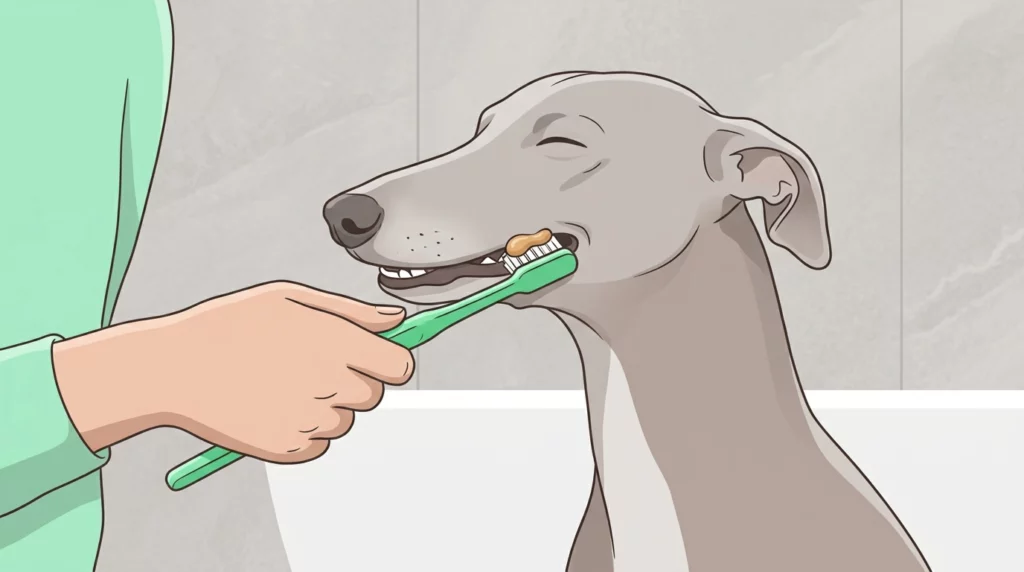
I know, I know—your dog might wiggle, sigh, or look at you with deep betrayal when the toothbrush comes out. But daily brushing with dog-safe toothpaste (never human toothpaste, which contains toxic ingredients like xylitol) is the absolute best way to keep our mouths healthy. Regular veterinary cleanings are fantastic, but brushing at home helps prevent the stubborn tartar buildup that leads to expensive extractions later on.
Keep Those Pearly Whites Shining!
Now that you know the secrets behind our smiles, I hope you’ll take a closer look at your companion’s teeth. A little preventative care goes a very long way in ensuring we can happily chew, play, and smile for years to come. Now, if you’ll excuse me, I must go show Blu how to properly chew a dental treat like a civilized lady. Until next time, keep those toothbrushes handy!