

Hey there, human friends! Yuna here, your resident chaotic explorer and feline supreme. Normally, I am busy scaling the highest bookshelves or investigating the mysterious dark interior of the dryer. But today, I am pausing my busy schedule of knocking pens off desks to talk about a group of canines who are actually doing something highly impressive: therapy dogs. Although my feline pride makes it hard to admit, these dogs have an incredible impact on human lives, providing comfort, companionship, and love to those who need it most.
What is a Therapy Dog?
Many humans get easily confused here, so let us clear up the legal details. According to the experts at the American Kennel Club (AKC) and Pet Partners, therapy dogs are not service dogs, nor are they emotional support animals (ESAs). While service dogs are trained to perform specific tasks for a partner with a disability and have legal public access rights, therapy dogs do not have special public access. Their job is to share their affection and calm vibes with lots of different people in places like hospitals, libraries, and schools. They are essentially professional, highly trained snuggling ambassadors.
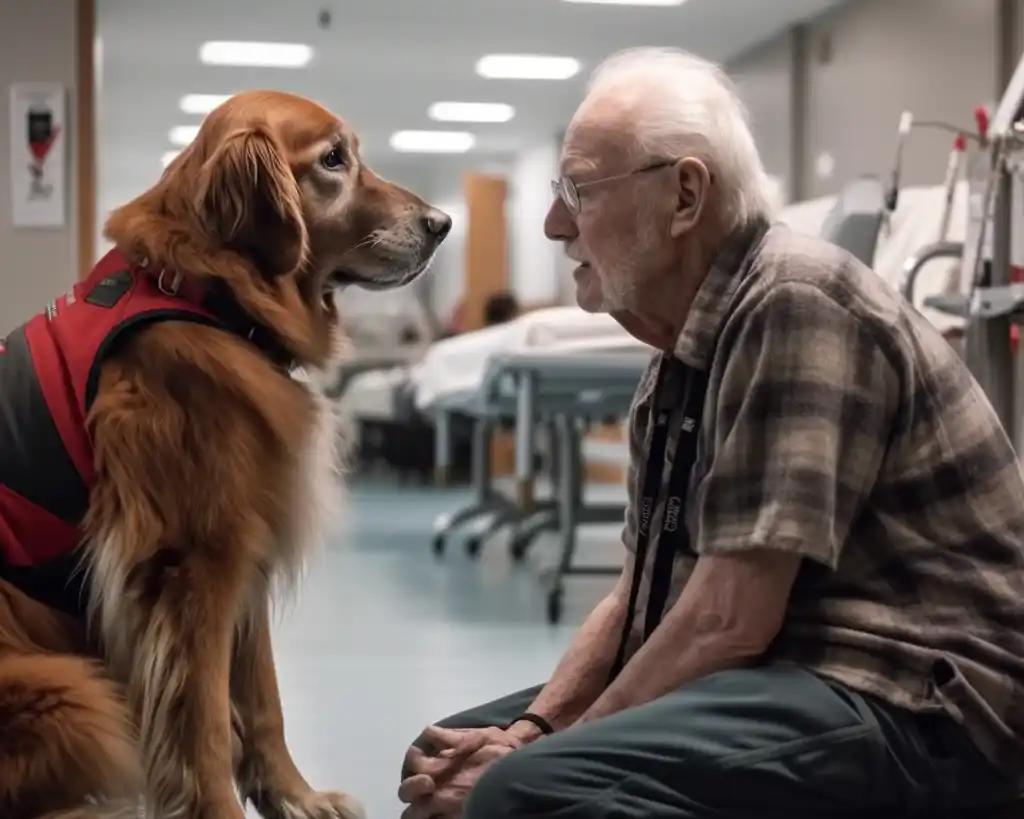
The Scientific Magic of Therapy Dogs
Even a cat like me has to marvel at the biological superpowers these dogs possess. They do not just make people feel happy; they actually trigger measurable chemical changes in the human body. Here is how they do it:
- The Ultimate Stress Melters: Interacting with a friendly dog reduces cortisol (the stress hormone) and boosts oxytocin (the bonding hormone). A fascinating study by the Ohio State University Wexner Medical Center found that even brief visits from therapy dogs worked as an immediate, much-needed mood booster for highly stressed healthcare workers.
- Combating Isolation: Hospital environments can be incredibly lonely. Research published by VCU Health revealed that therapy dog visits significantly reduced anxiety and fear for patients in psychiatric units, proving that a warm paw to hold is sometimes the best medicine.
- Physical Healing and Pain Relief: According to the health experts at the University of Utah, petting an animal triggers the release of endorphins. This can actually help lower blood pressure, slow down a racing heart, and even reduce the physical perception of pain.
- Opening Up Social Doors: For people dealing with social anxiety, autism, or dementia, initiating a conversation with another human can feel like climbing a mountain. A therapy dog acts as a gentle, non-judgmental bridge. Since dogs do not care if you stumble over your words or look a bit untidy, they make the perfect icebreakers.
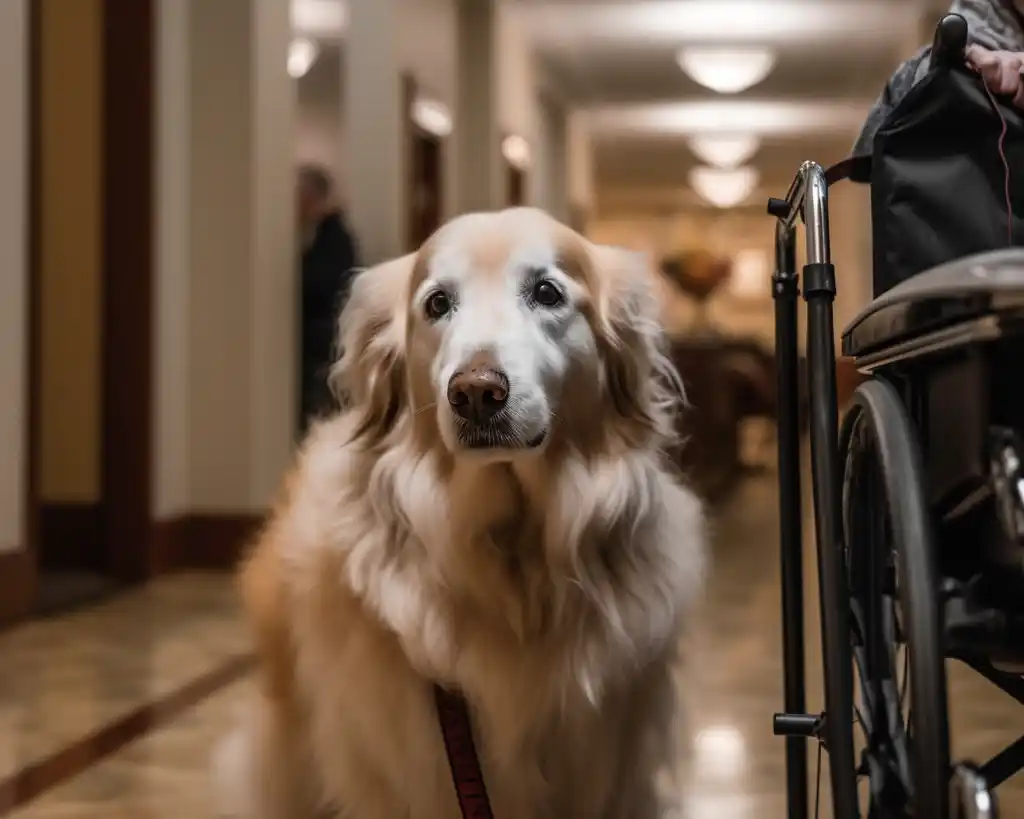
Therapy Dogs in Action
Unlike me, who prefers to avoid loud noises and strangers at all costs, therapy dogs thrive in active, busy places. Here is where you can find these brave pups deploying their snuggle tactics:
- Hospitals and Clinics: Bringing a little bit of home to sterile, scary hospital rooms and giving patients a comforting distraction from treatments.
- Nursing Homes and Assisted Living: Helping seniors fight off isolation. A simple visit can brighten a resident’s entire week and bring back happy childhood memories.
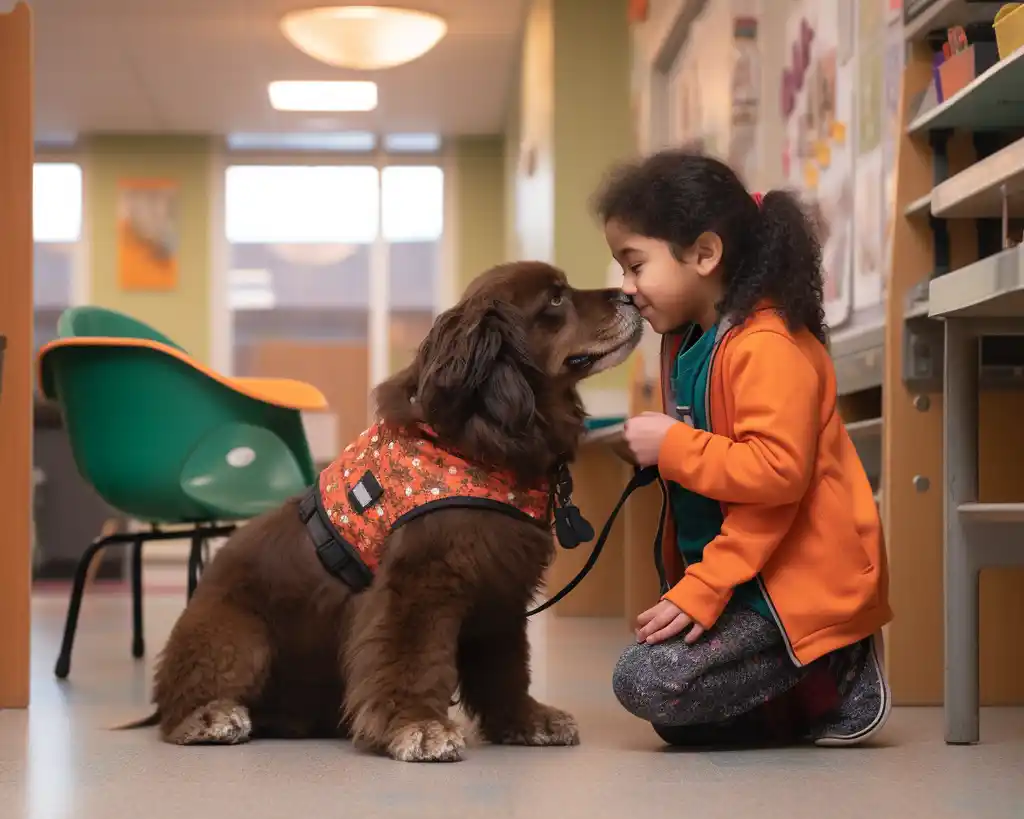
- Schools and Libraries: Ever heard of “Read to a Dog” programs? They are brilliant. Children who are anxious about reading out loud can practice with a therapy dog. Dogs are excellent listeners; they do not correct your pronunciation, they just enjoy the story.
- Disaster Relief Zones: After a crisis, therapy dogs provide quiet comfort to survivors and first responders, helping them process trauma in those first crucial hours of grief.
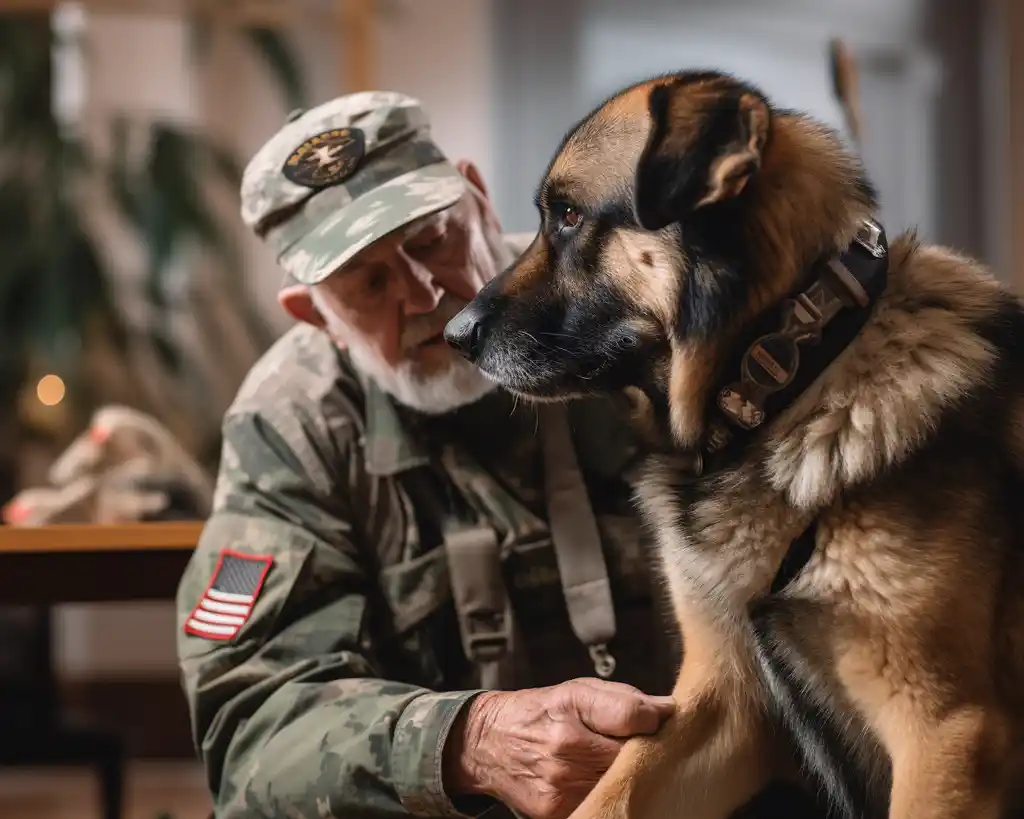
- Support for Veterans: Working alongside veterans coping with trauma or PTSD to restore a sense of safety, calm, and connection to the world.
How to Become a Therapy Dog Team
Could your own goofy canine companion be a professional healer? I asked Blu this, and he just sneezed on my paw, so we might need to work on his manners first. But if you think your dog has the right stuff, here is the roadmap to joining a therapy team:
- Evaluate the Temperament: This is the most critical step. A good therapy dog must be naturally calm, confident, and genuinely pleased to meet strangers. They cannot be easily startled by loud noises, medical equipment, or clumsy pats.
- Master the Basics: Excellent obedience is non-negotiable. Your dog needs to walk on a loose leash, listen to commands instantly, and show flawless impulse control (no stealing sandwiches from patients!).
- Get Certified and Registered: You cannot just walk into a hospital with a dog and a smile. You need to register through a reputable national organization like Pet Partners or Alliance of Therapy Dogs. These organizations evaluate both the dog and the handler as a team, ensuring you can navigate stressful environments together safely.
- Start Spreading Joy: Once certified, you can volunteer with local chapters. Start slow, respect your dog’s energy limits, and watch the smiles light up the room!
In conclusion, while I firmly believe that cats are the undisputed rulers of the domestic universe, I have to tip my imaginary hat to these incredible therapy dogs. They bring pure, uncomplicated joy to the people who need it most, turning stressful days into moments of comfort. If you have a sweet, steady dog, exploring the path to becoming a certified therapy team might just be the most rewarding adventure you ever embark on together. Now, if you will excuse me, I see a very suspicious shaft of sunlight on the rug that requires my immediate investigation. Stay curious, friends!