Hello, lovely humans and distinguished dogs! I am Niki, your resident English Setter, head of editorial standards, and self-appointed master of intellectual pursuits here at SnoutScoop. While my high-energy brother Blu is currently vibrating with excitement over a stray leaf outside, I prefer to engage my sophisticated mind. Let’s talk about brain power. Many humans assume that a quick sprint around the yard is all it takes to tire out a dog. However, veterinary experts at VCA Hospitals agree that mental enrichment is just as crucial as physical exercise. It keeps our minds sharp, reduces anxiety, and prevents the troublesome behaviors that stem from pure boredom. In fact, cognitive training can leave us feeling blissfully relaxed, burning through mental energy just as effectively as a long run. Today, I am proud to present my curated list of ten top-tier brain games that will challenge your canine companion and maybe even turn them into a certified doggy genius. Grab some treats, put on your thinking caps, and let us dive in!
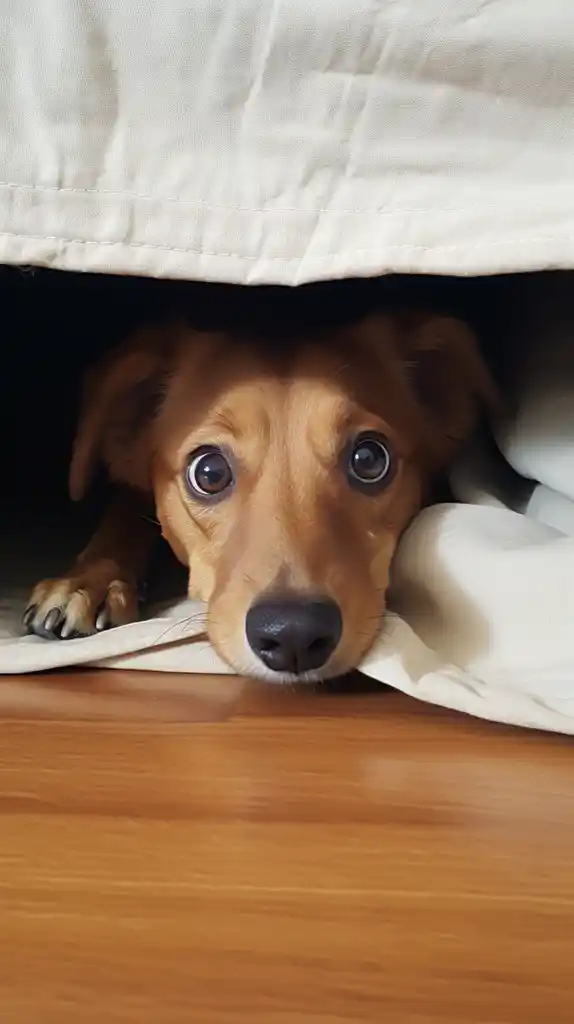
- Hide and Seek: This classic game is an exceptional way to engage our natural scenting instincts. According to ASPCA Pro, using our noses is one of the most intrinsically rewarding activities a dog can do. Have your dog sit and stay while you hide a favorite toy or a smelly treat in another room. Once you give the release cue, watch their powerful sense of smell go to work! You can start with easy hiding spots and gradually increase the difficulty to keep their cognitive gears turning.
- The Muffin Tin Game: If you are looking for a simple yet highly stimulating DIY puzzle, this is a brilliant option. The experts at ASPCA suggest using everyday household items for canine enrichment, and a standard muffin tin is perfect. Simply place tasty treats in the muffin cups and cover each cup with a tennis ball. Your dog will have to use their nose and paws to figure out how to nudge, lift, or roll the tennis balls away to claim their delicious reward.
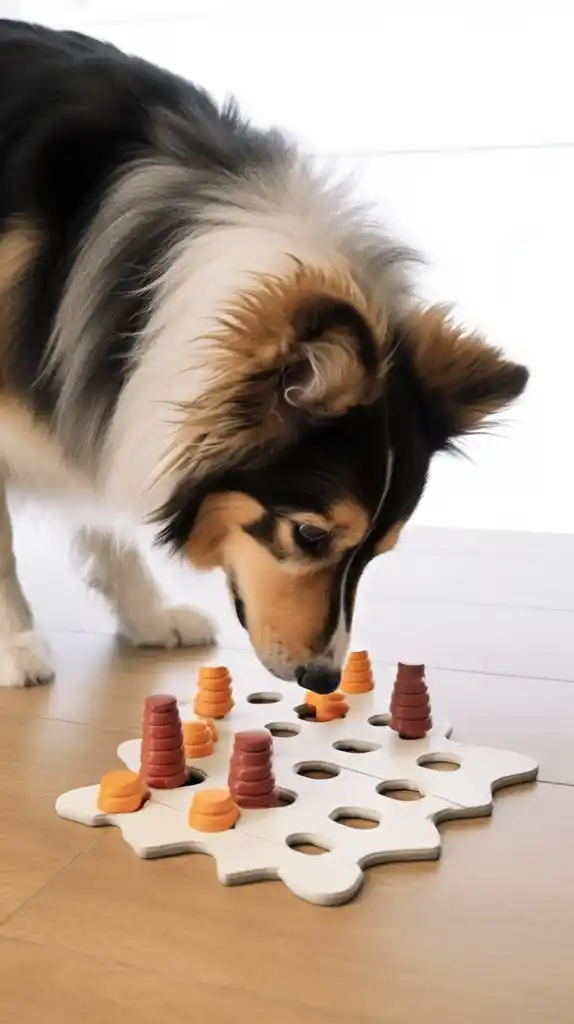
- Puzzle Toys: The pet world is full of interactive puzzle toys, and they are fantastic for keeping our minds active. From sliding compartments to spinning wheels, these gadgets require patience and problem-solving. As recommended by the Toronto Humane Society, it is best to start with simpler puzzles so your dog does not get frustrated, slowly working up to complex, multi-step challenges as their confidence grows.
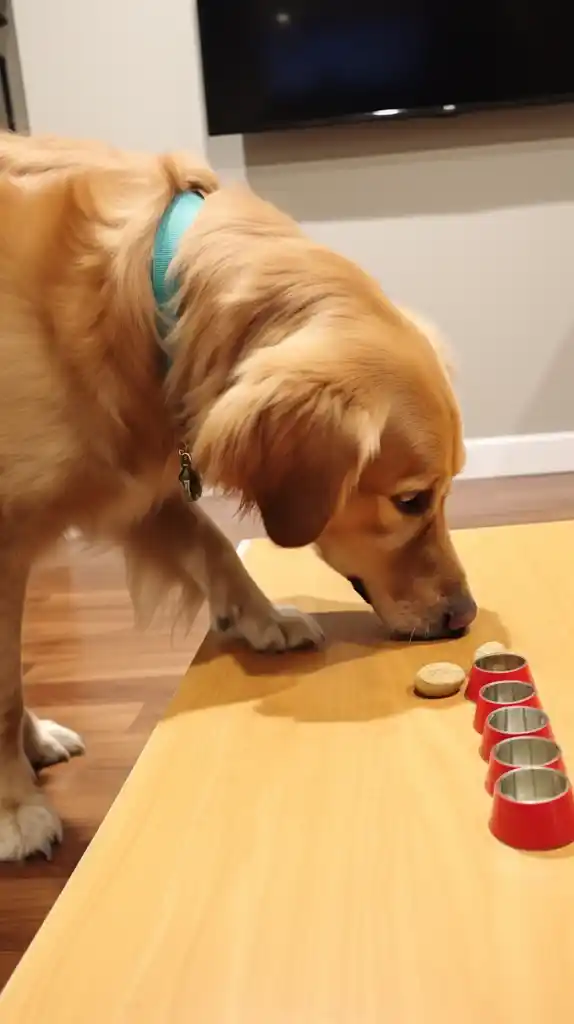
- The Shell Game: This classic game is perfect for testing your dog’s visual tracking and short-term memory. Take three plastic cups and let your dog watch you place a treat under one of them. Shuffle the cups around gently and encourage your pup to find the prize. If they are new to this cognitive training, vots.vet recommends starting with just two cups and slowly building up to three as they master the concept.
- Stuffed Kongs: A stuffed, frozen Kong is the ultimate gold standard of canine pacifiers. Pack it with their favorite kibble, safe peanut butter, or wet food, and freeze it to make the challenge last longer. As noted by the enrichment experts at Holistic Paws and Waggy Tails, the repetitive licking motion actually helps soothe a dog’s nervous system, making this game perfect for calming down after a busy day.
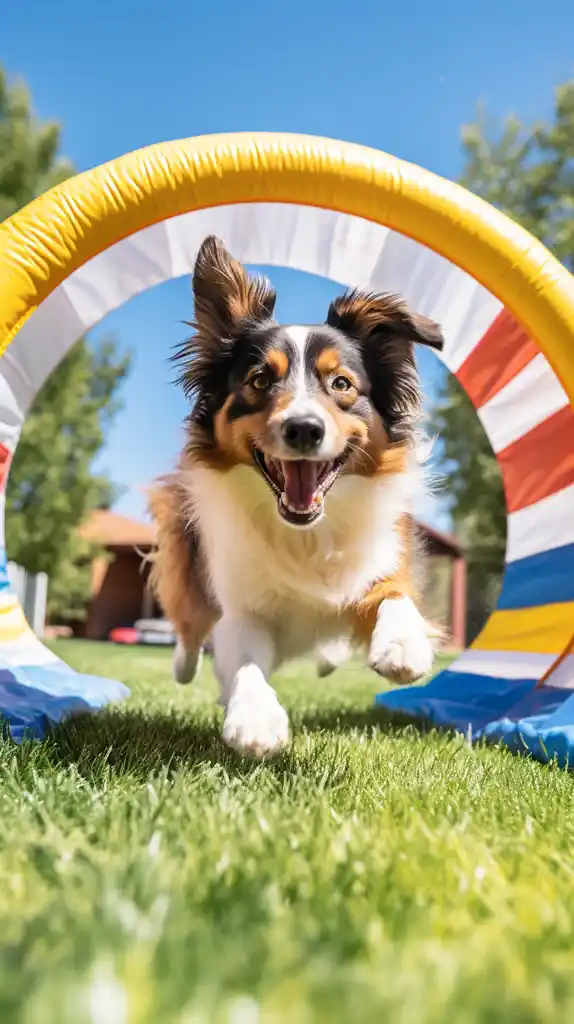
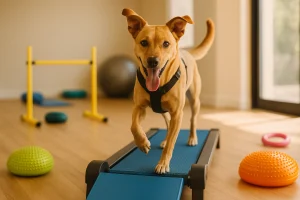
- DIY Agility Course: You do not need a professional training facility to build an agility course. Using household items like sturdy cushions, laundry baskets, and hula hoops, you can create a safe obstacle course in your living room or backyard. Navigating these obstacles requires physical coordination and mental focus. Guide your pup through the course with encouragement, which is a wonderful way to boost their confidence and strengthen your bond.
- Tug-of-War: Many humans view tug-of-war as a purely physical game, but when played with structured rules, it is a fantastic cognitive exercise. VCA Canada highlights that establishing clear boundaries (such as a reliable “drop it” command) teaches dogs excellent impulse control. It turns an intense physical game into a cooperative mental challenge where we must listen carefully even when we are excited.
- Fetch with a Twist: Traditional fetch can sometimes turn into mindless, repetitive running. To add a cognitive twist, ask your dog to perform a cue (like sitting, shaking paw, or lying down) before you throw the toy. This keeps our brains actively engaged and ensures we are listening to your cues even during high-arousal play.
- The Name Game: Did you know dogs are capable of learning dozens of distinct words? You can teach your dog the names of their toys by repeating the toy’s name (like “Mr. Bear” or “Squeaky Ball”) during play. Once they have learned a couple of names, place both toys on the floor and ask them to fetch a specific one. It is a wonderful way to challenge their vocabulary and memory!
- Treasure Hunt: This is scent-work enrichment at its finest. Instead of placing treats directly in front of your dog, hide tiny bits of high-value food around the house (behind chair legs, on low shelves, or under the edge of a rug). Give them the “find it” cue and let them sniff out the treasures. Scent games tap directly into our primary sensory system, providing a deeply satisfying and calming mental workout.
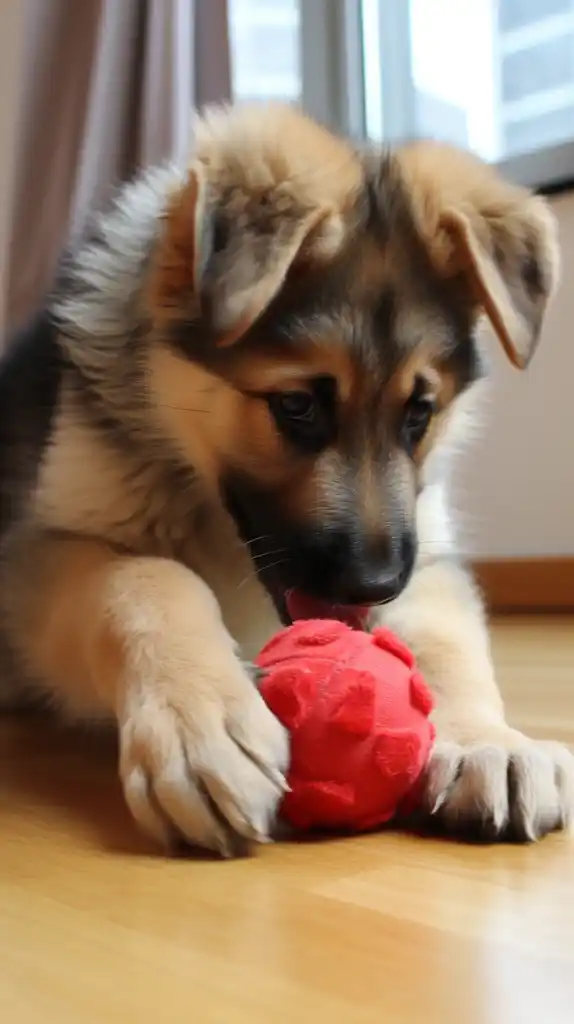
There you have it: my highly vetted, intellectually stimulating checklist to keep your favorite canine happy and healthy. Integrating just fifteen minutes of these brain games into our daily routine can dramatically improve our mood and mental sharpness. After all, a busy brain is a happy brain! Remember to keep training sessions positive, celebrate every little success, and let your dog progress at their own comfortable pace. Now, if you will excuse me, I must go make sure Blu hasn’t tried to eat any more yard debris. Happy puzzling, everyone!