
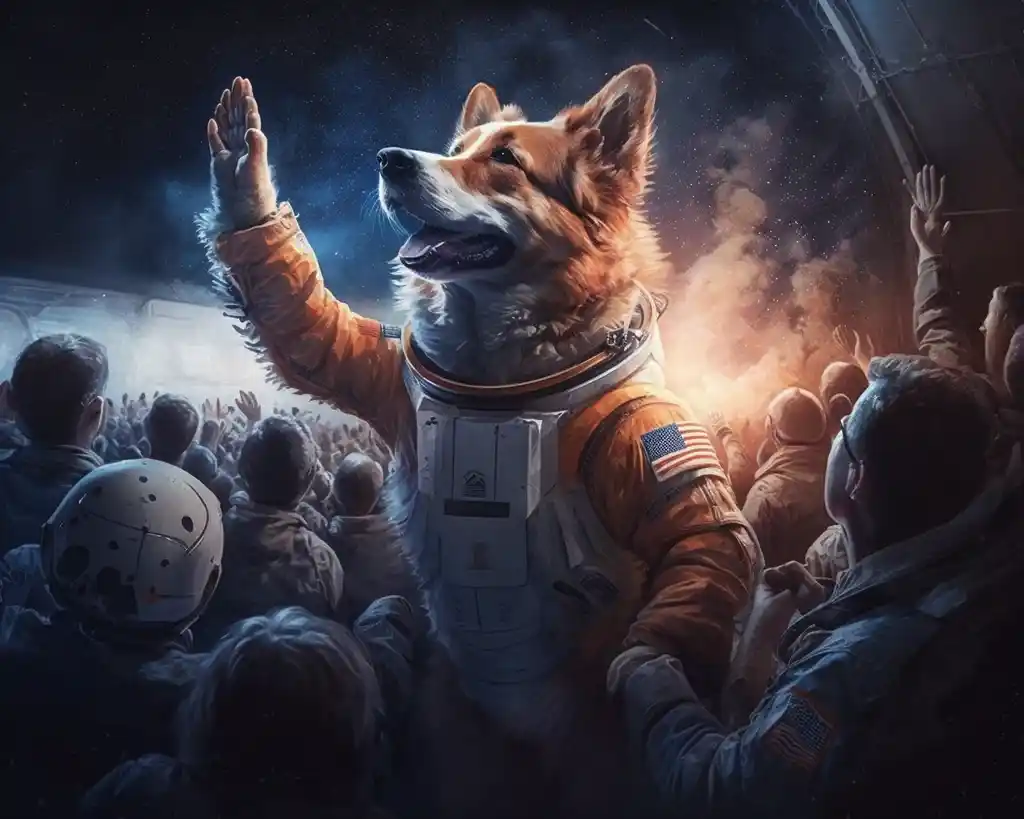
Woof, hello there, fellow space fans and fellow dog lovers! Blu here, your high-energy, floppy-eared Griffon Bleu de Gascogne rescue dog, and today we are going to talk about something way bigger than chasing tennis balls. We are talking about chasing the actual stars! Long before humans took their first brave steps on the Moon, a squad of heroic four-legged pioneers paved the way into the great unknown. Yes, I am talking about the legendary Soviet space dogs!
As a rescue dog myself, I feel a special connection to these space pups because almost all of them were recruits from the streets of Moscow. Scientists chose stray mutts because they figured we are tough, resilient, and used to surviving cold weather and rough conditions. Plus, strays are known for forming quick, loving bonds with humans. Today, we are going to dive into the amazing, sometimes heartbreaking, and absolutely historic stories of these canine astronauts who changed the course of science forever.
- Laika: The Brave Pioneer of the Cosmos
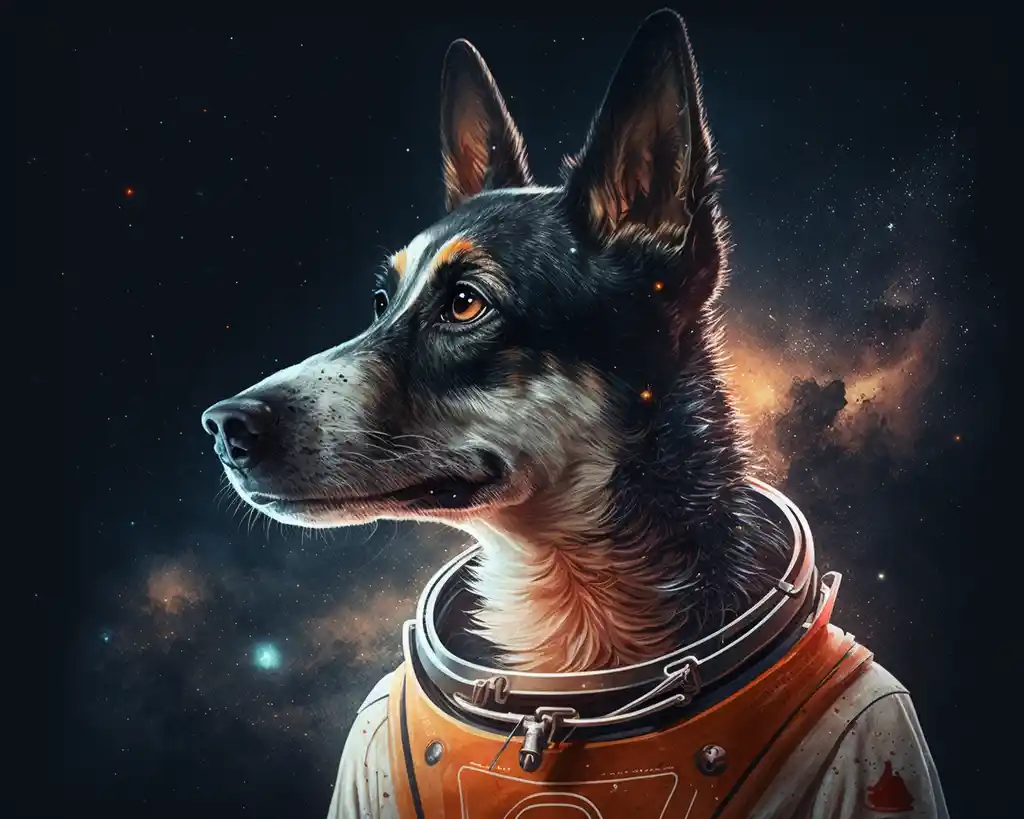
Let us start with the most famous space pup of all: Laika. On November 3, 1957, this sweet, quiet stray mutt, whose name means Barker in Russian, made history by launching aboard Sputnik 2. She became the very first living creature to orbit our planet. Before her flight, Laika went through intensive training alongside other candidate dogs. They had to get used to tiny pressurized cabins, ride in noisy simulators, and even eat a special high-nutrient gel designed for space travel. Personally, I love eating anything, but a gel-only diet sounds like a tough sell!
The sad truth of Laika’s mission is that Sputnik 2 was designed as a one-way trip, and technology at the time did not allow for a safe return to Earth. While she tragically did not survive the journey due to overheating, her flight proved that a living being could survive the launch and the weightlessness of orbit. Her sacrifice sparked global conversation about animal welfare in scientific research and provided invaluable data that ensured human spaceflight could eventually happen safely. She was a true hero, and her memory is permanently etched in the stars.
- Belka and Strelka: The Dynamic Duo’s Triumphant Return
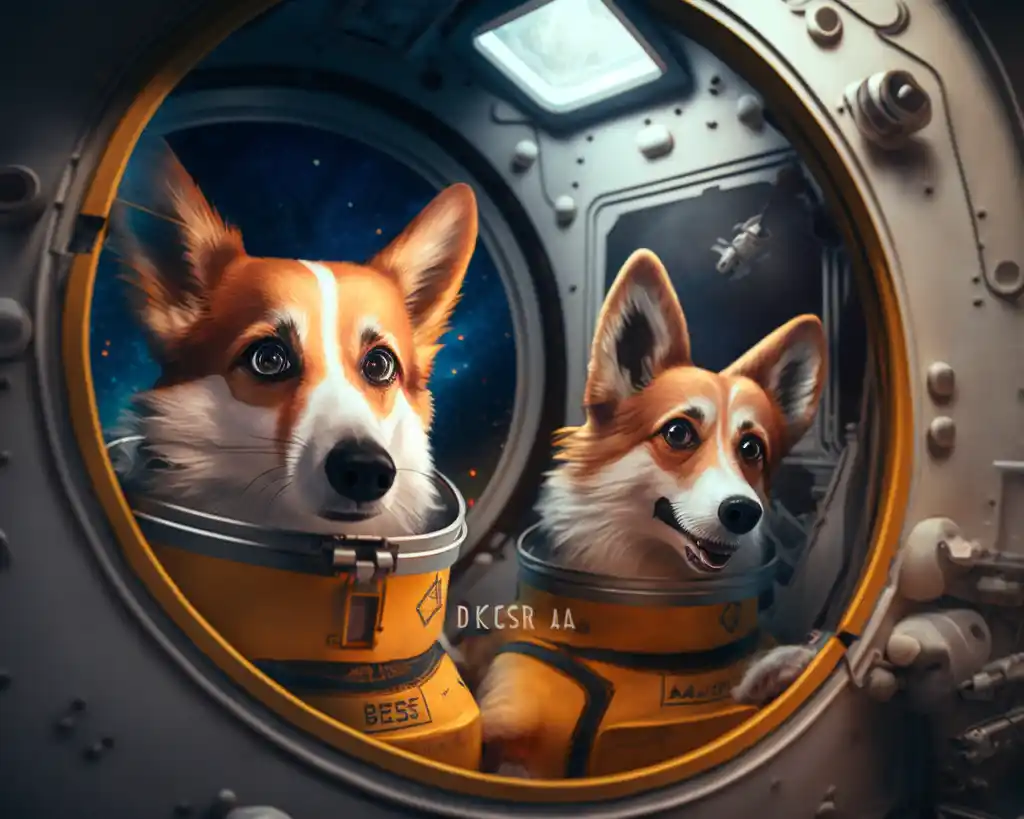
On August 19, 1960, the Soviet space program achieved a massive milestone with two incredible dogs named Belka, which means Squirrel, and Strelka, which means Little Arrow. They blasted off aboard Sputnik 5 for a full day of orbital exploration. But they did not go alone! Their passenger list included a grey rabbit, forty-two mice, two rats, some fruit flies, and several plants. I do not know about you, but a spacecraft packed with mice and a rabbit sounds like my absolute dream home, though it must have been a very chaotic ride!
Belka and Strelka spent a day circling the Earth and returned completely safe and sound, making them the very first living creatures to successfully return from orbit. They became instant global celebrities! Strelka even went on to have a litter of six healthy puppies. One of those puppies, a cute little fluffball named Pushinka, was gifted by Soviet leader Nikita Khrushchev to Caroline Kennedy, the daughter of President John F. Kennedy. This little pup lived a happy life in the White House, proving that space travel had no negative effects on the future generation of space hounds!
- Veterok and Ugolyok: The Ultimate Endurance Champions
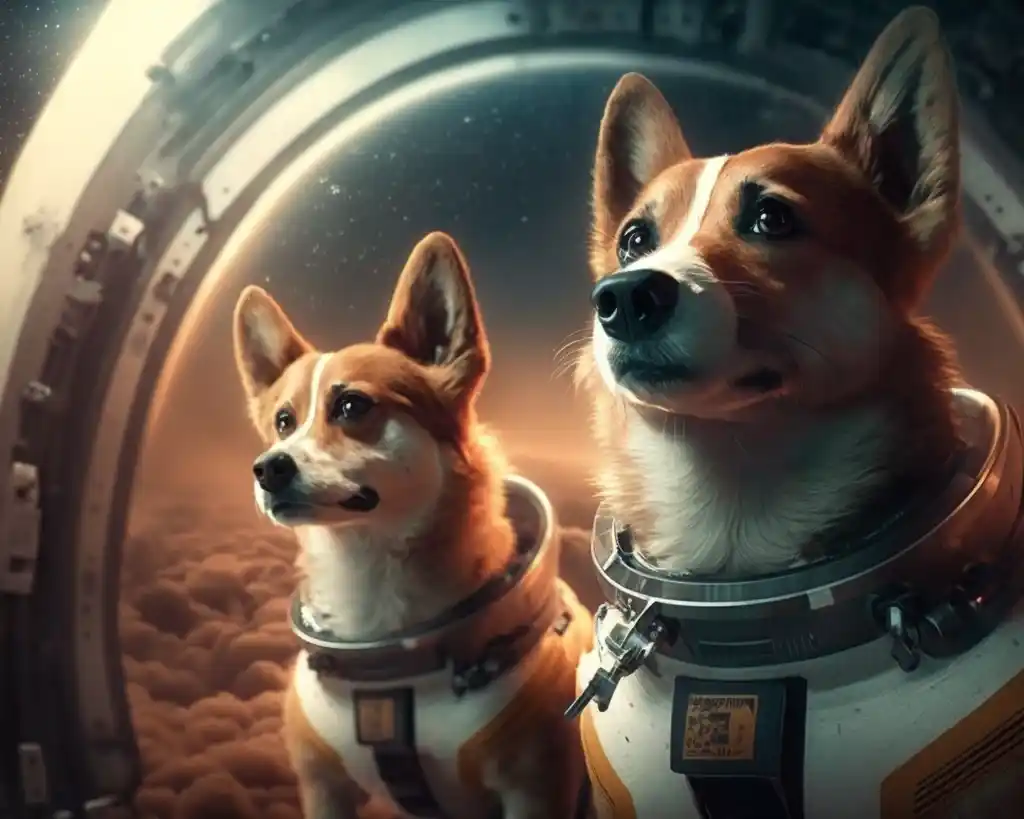
As the space race continued, scientists wanted to know how living bodies would handle being in weightlessness for a really, really long time. Enter Veterok, whose name translates to Light Breeze, and Ugolyok, meaning Coal. On February 22, 1966, these two brave canines were launched into orbit aboard Cosmos 110. They spent an astonishing twenty-two days in space! Can you imagine floating around for over three weeks? I think I would miss rolling in the grass by day two!
Their mission set a record for the longest spaceflight by any living creature, a record that was not broken by humans until years later. When they landed on March 16, they were understandably a bit dizzy, dehydrated, and lost some muscle mass from lack of gravity, but they quickly recovered thanks to some excellent medical care and plenty of treats. Their incredible journey gave scientists crucial insights into the long-term biological effects of space travel, helping prepare future human crews for multi-week missions.
- The Lasting Legacy of Our Canine Astronauts
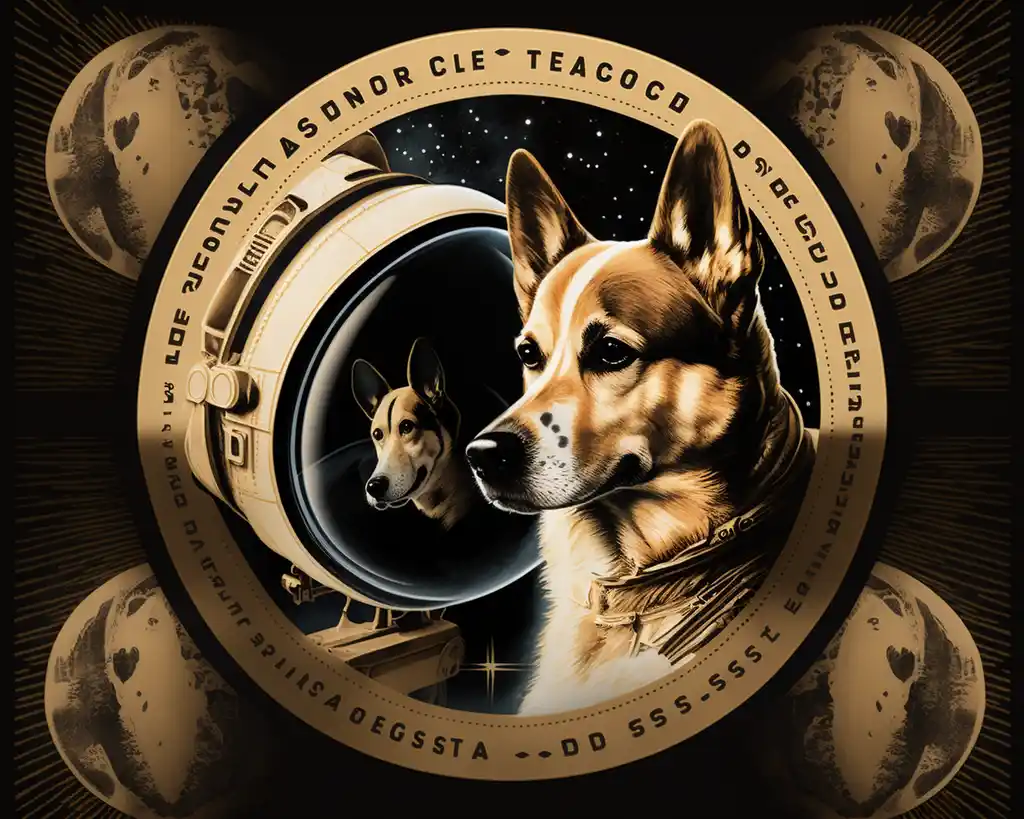
The contributions of these courageous canine astronauts cannot be overstated. From the bustling streets of Moscow to the vast vacuum of outer space, these resilient dogs helped humanity take its first baby steps toward exploring the cosmos. They tested the systems, braved the extreme forces of rocket launches, and proved that life could indeed thrive beyond the bounds of Earth. Without their brave spirits, early achievements like Yuri Gagarin’s flight or the legendary Apollo Moon landings might have been delayed by decades.
Today, these dogs are celebrated with monuments, postage stamps, and museum exhibits around the world. In Moscow, a beautiful monument stands in honor of Laika, showing her poised proudly atop a bronze rocket. They remind us of the deep, unbreakable bond between humans and dogs, where we face even the most terrifying frontiers together. As we look up at the night sky and dream of Mars and beyond, let us always save a little piece of our hearts for the courageous dogs who ran among the stars first.
And that is the incredible, heart-tugging history of our four-legged space pioneers! Now, if you will excuse me, I see a very earthly, non-cosmic squirrel out in the backyard that requires my immediate scientific observation. Keep your snout to the ground and your eyes on the stars, friends! Over and out!