Greetings, humans and lesser beasts. It is I, Pisino—the sleek, black, undisputed chief of the SnoutScoop pack. Normally, I spend my days managing the chaotic energy of Blu (who lacks basic spatial awareness) and keeping Niki’s high standards in check. But today, we are stepping away from the cozy living room sofa to discuss a group of dogs that, I must admit, deserve a tip of my feline hat.
We are traveling to the Chornobyl Exclusion Zone (CEZ) in Ukraine. When humans fled the catastrophic nuclear disaster in 1986, they were forced to leave their pets behind. Despite heartbreaking odds, military culls, and harsh winter conditions, the descendants of those abandoned dogs didn’t just survive—they built an empire.
As a cat who appreciates resilience (and quiet drama), I have dug into the latest scientific research to bring you 10 astounding, scientifically verified facts about the dogs of Chernobyl.
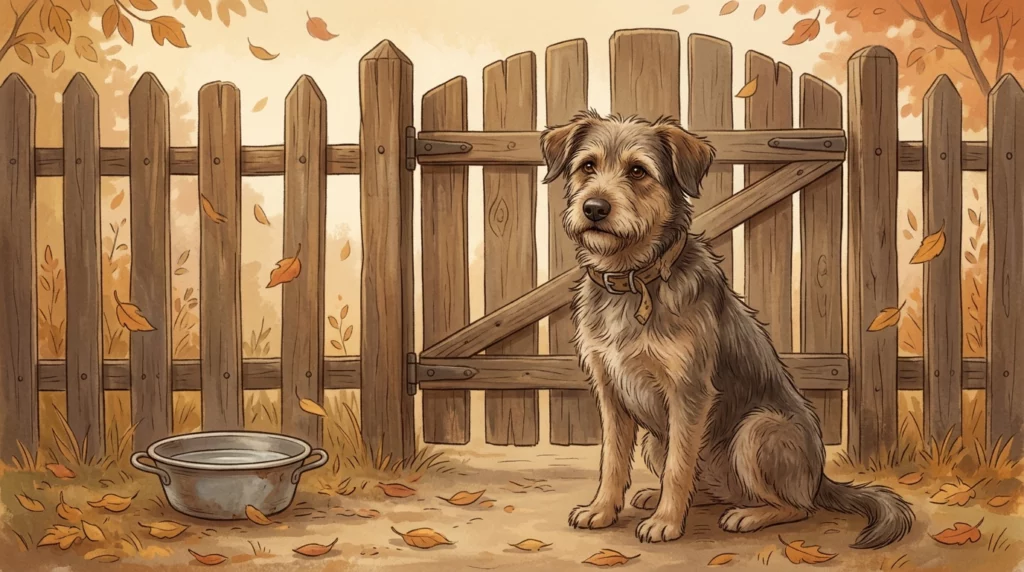 The dogs of Chernobyl are the descendants of cherished family pets left behind during the 1986 evacuation.
1. They Are Descended from Beloved Family Pets
In April 1986, the evacuation of the area surrounding the Chernobyl Nuclear Power Plant was sudden and permanent. Residents were told they would return in a few days, so they left their pets with food. Soldiers were later sent in to cull the abandoned animals to prevent the spread of radiation. However, as detailed in Psychology Today, some dogs hid, survived, and went on to establish the resilient population that roams the zone today.
2. They Live in Structurally Distinct Genetic Groups
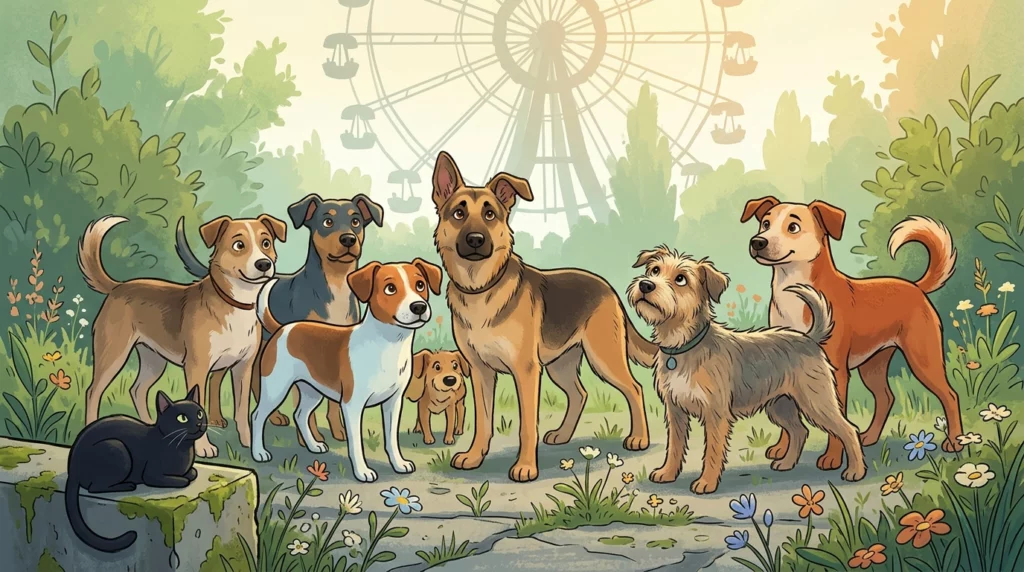
These dogs aren’t just one giant pack roaming the wilderness. Scientists studying their blood samples found that the dogs are divided into distinct genetic populations based on where they live. The dogs living right at the nuclear power plant site are genetically distinct from those living in Chornobyl City, about 15 kilometers (9 miles) away, despite being the same species. Physical barriers like barbed wire and security checkpoints have kept these canine communities isolated from one another.
3. Their Genetic Differences Are Due to Isolation, Not Sci-Fi Mutations
If you were expecting three-headed hound dogs that glow green, I must disappoint you. According to research published by Columbia University Mailman School of Public Health, the unique genetic profiles of these dogs are primarily the result of rapid breed isolation and genetic drift, rather than wild, radiation-induced mutations. They are simply an isolated, highly inbred population of domestic dogs adapting to a specific environment.
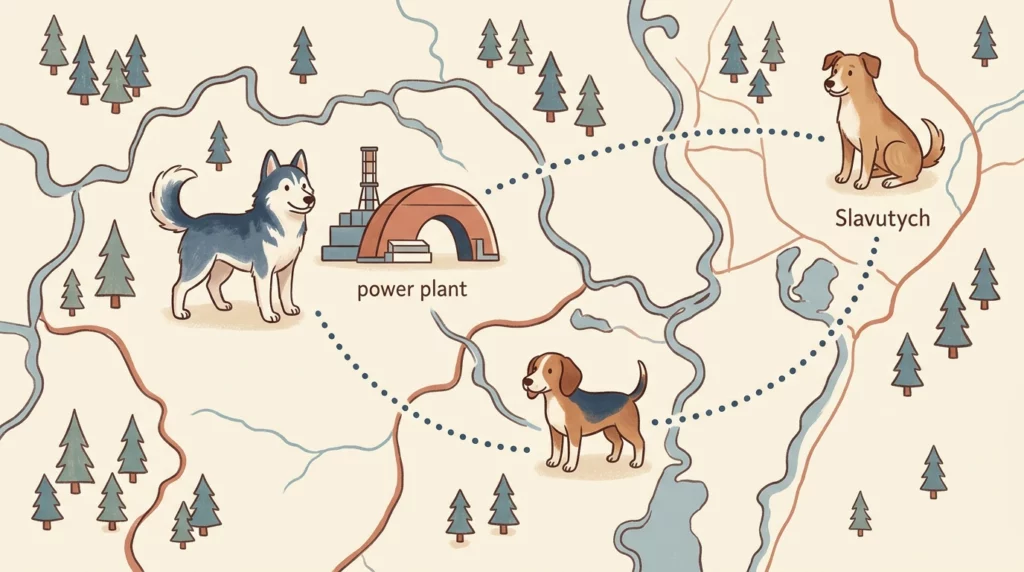 Genetic studies reveal that these dogs live in distinct, isolated family groups with minimal intermixing.
4. They Have a Globally Unique Genomic Signature
A landmark study published in Nature/PMC analyzed the DNA of hundreds of these free-roaming dogs. The researchers discovered that the Chornobyl dogs are genetically distinct from free-breeding dogs in other parts of the world, like those in Eastern Europe or Asia. Generations of living in the exclusion zone have effectively given them their own unique genetic signature.
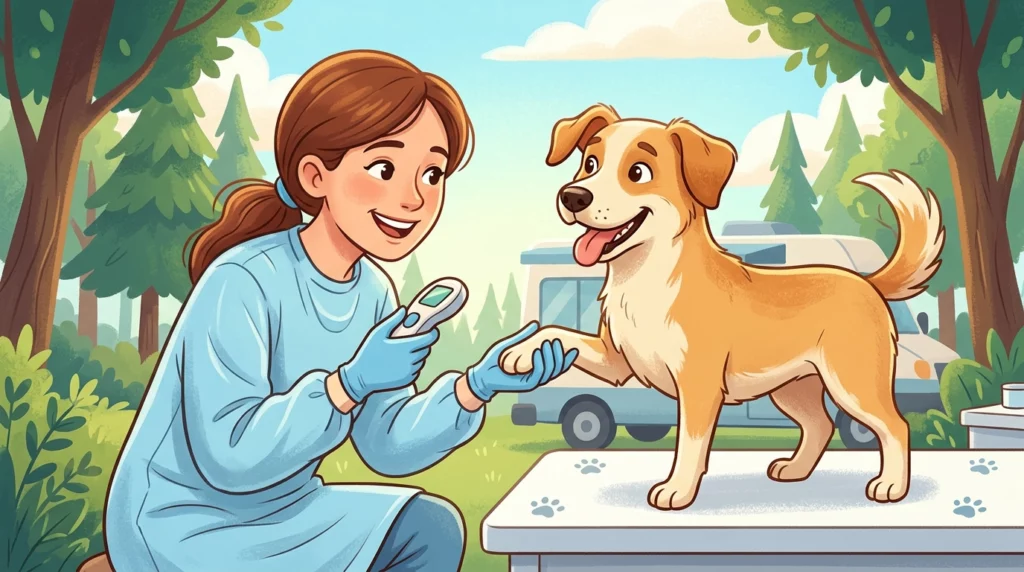 The Clean Futures Fund provides essential veterinary care, vaccinations, and health monitoring for the zone’s dogs.
5. The Clean Futures Fund Acts as Their Guardian Angels
While these dogs are incredibly tough, they don’t do it entirely alone. Organizations like the Clean Futures Fund (CFF) step in to manage the health of the population. They run spay, neuter, and vaccination clinics to keep the population stable and protect them from diseases like rabies, which is a major threat in the wild Ukrainian forests.
6. They Face a “No Petting” Policy (Though It’s Frequently Broken)
For decades, tourists and workers in the Exclusion Zone were strictly warned not to pet the dogs. This wasn’t because the dogs were aggressive—quite the opposite. The primary concern was that radioactive dust from the soil could cling to their fur. While modern safety protocols still exist, many workers and visitors find it impossible to resist giving these friendly pups a scratch behind the ears.
7. They Are Surprisingly Warm and Socialized
Despite living in a wild, industrial wasteland, these dogs are not wild wolves. They have lived alongside the clean-up crews, scientists, and security guards for decades. The dogs have learned that humans equal food and warmth, and the workers treat them like community pets. They greet workers at checkpoints, hang out near the cafeterias, and even accompany guards on patrols.
8. They Help Us Understand the Future of Space Travel
How does a mammal survive generations of chronic radiation exposure? This is the exact question scientists are trying to answer by studying these dogs. Geneticists like Dr. Megan Dillon, whose profile can be explored via NC State University, study how animals adapt to low-dose radiation. The insights gathered could help us protect human astronauts from cosmic radiation during long-term space missions to Mars.
 Studying how these dogs adapt to radiation helps scientists plan for the effects of long-duration space travel.
9. Some Puppies Have Been Cleared for International Adoption
Under strict scientific protocols, some puppies born in the Exclusion Zone have been rescued, thoroughly washed to remove radioactive dust, quarantined, tested, and cleared for adoption. Dozens of these resilient pups have found forever homes in North America, showing that even after generations in the zone, they are still domestic companions at heart.
10. Yes, There Are Cats There Too (But We Are More Low-Key)
As a cat, I must point out that dogs aren’t the only ones who claimed the abandoned zone. A smaller, quieter population of felines also roams the area, mostly sticking to the indoor facilities and industrial buildings where the workers feed them. While the dogs get the headlines, we cats are quietly managing the rodent population—because someone has to keep the place tidy.
While I prefer the luxury of a warm radiator and a perfectly timed nap, I have nothing but respect for the dogs of Chornobyl. They remind us that life, even in the wake of human folly, finds a way to adapt, bond, and endure.