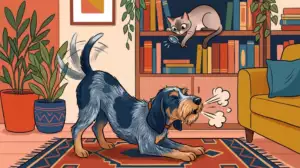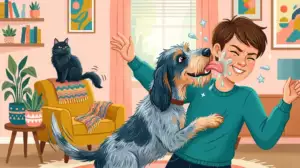
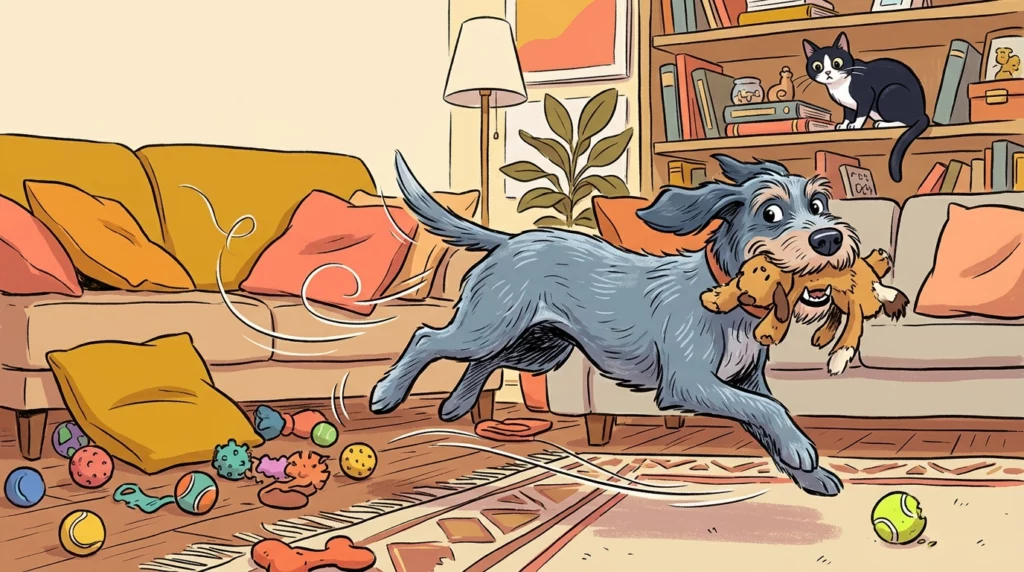
Hello, diary of the internet! It is I, Yuna—your favorite adventurous, highly athletic, and admittedly chaotic feline correspondent. Usually, I spend my days scaling the highest bookshelves, practicing my midnight parkour, or knocking pens off desks to study the laws of gravity. But lately, I’ve been observing my canine roommates. Have you ever watched a dog play? It is a spectacle of pure, unbridled, drooly chaos. Blu, for instance, will zoom around the yard until he looks like a blue-tinted blur. It’s hilarious, but as a cat of science and curiosity, I had to ask: why do they do it?
It turns out, playtime isn’t just a way for dogs to burn off the energy that keeps me awake during my third afternoon nap. It is actually vital for their brains, bodies, and emotional well-being. Today, we are diving deep into the science of play, because as much as I like to pretend I’m the superior species, I do want my canine friends to stay healthy and happy. Let’s look at what the experts (and the science) have to say!
Play as a Brain Shield: Warding Off Cognitive Decline
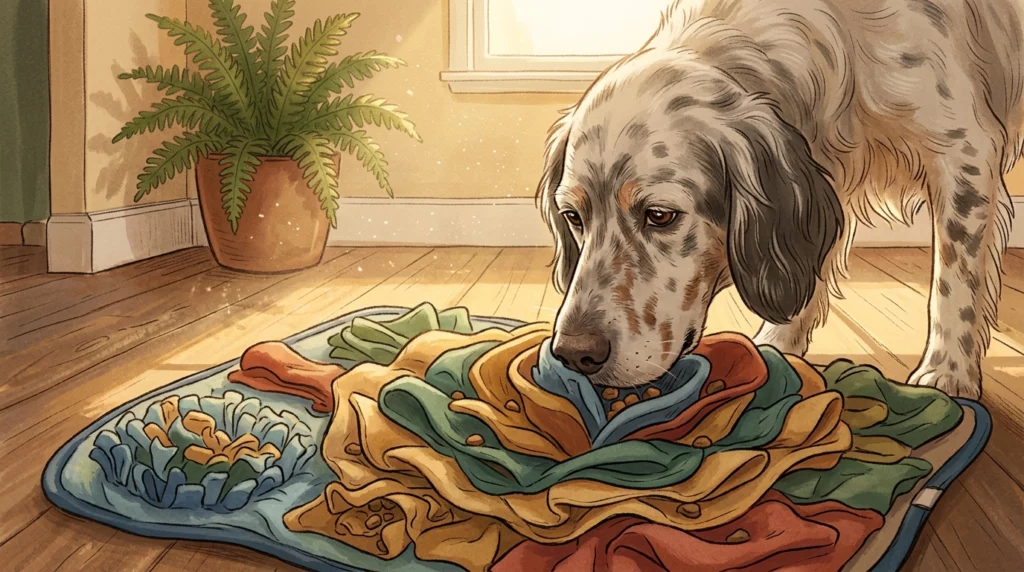
Did you know that dogs can experience brain aging and dementia just like humans? It’s called Canine Cognitive Dysfunction (CCD), and it’s a tough thing for any pet parent to witness. But here’s the good news: play might actually be a shield for their brains.
According to research highlighted by the Morris Animal Foundation, keeping dogs active through play and exercise is closely linked to a lower risk of cognitive decline. When dogs play, their brains are actively processing information, navigating social cues, and solving spatial puzzles. It’s like a workout for their gray matter.
Over at Steve Dale’s Pet World, a study looking at canine longevity and health showed that active play and regular exercise are among the top lifestyle factors that help keep canine minds sharp into their senior years. So, when you throw that tennis ball for the 47th time, you aren’t just indulging their squeaky-toy obsession—you are helping them stay mentally fit for life.
Want a Star Student? Play with Them After Class!
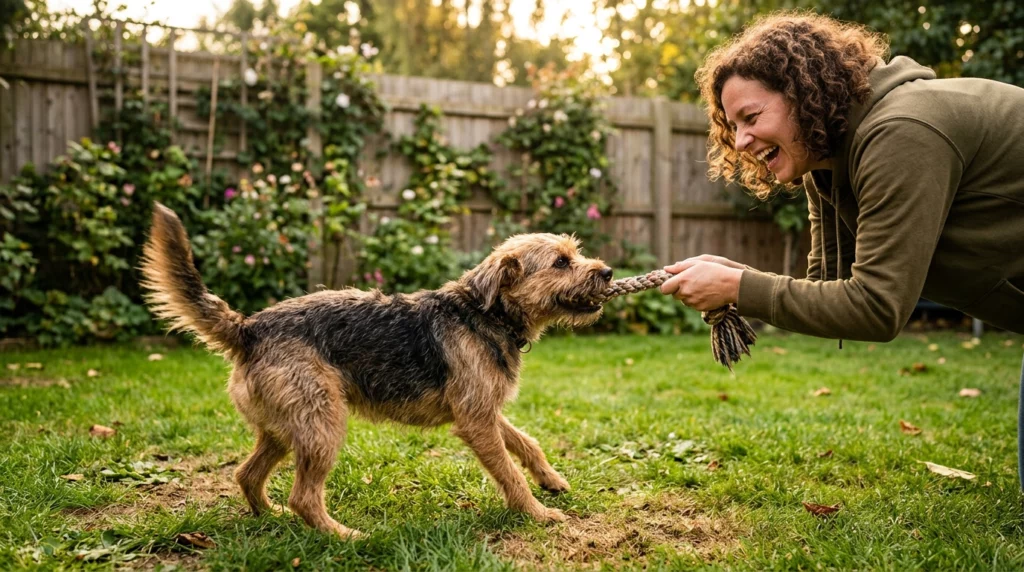
If you’re trying to teach your dog not to eat the mail (looking at you, Blu), I have a scientifically proven shortcut for you: play with them right after a training session.
Researchers at the University of Veterinary Medicine Vienna discovered something fascinating. Dogs that engaged in a play session with a human immediately after learning a new task actually remembered the task much better in the long term. Play acts as a cognitive consolidator. It lowers cortisol (stress hormones) and boosts dopamine, making the brain highly receptive to locking in that new knowledge.
As a cat, I find this concept of “working for play” highly logical. If my human gave me a feather wand session every time I successfully avoided scratching the sofa, I might consider doing it more often. (No promises, though).
The Magic of Enrichment (Or: How to Save Your Shoes)
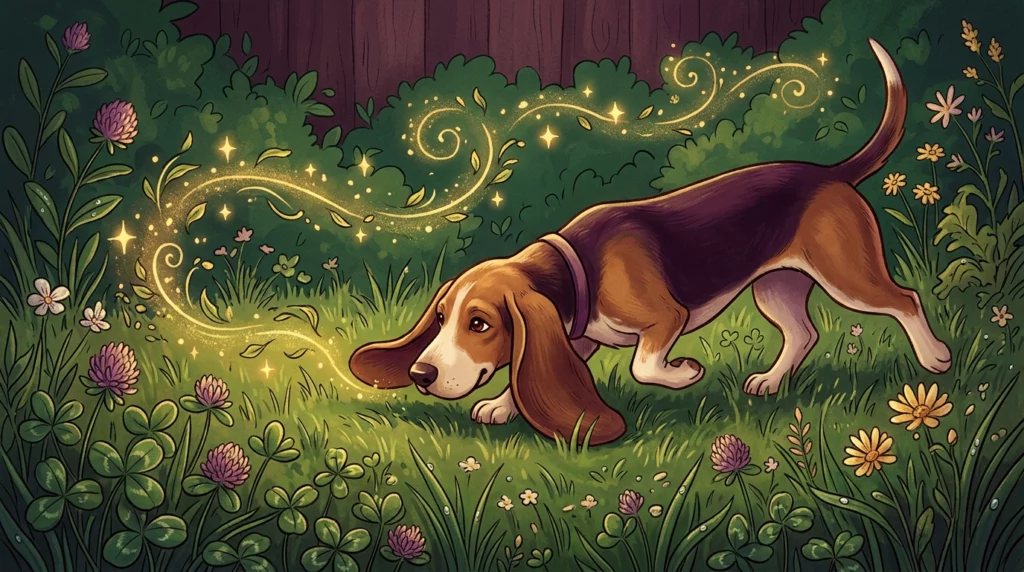
You’ve probably heard humans throw around the word “enrichment” like it’s a fancy organic vegetable. But what does it actually mean? Essentially, enrichment is about giving dogs a way to express their natural canine behaviors in a safe, non-destructive way. It is a fundamental pillar of modern animal care, as noted by the RSPCA.
Enrichment is crucial because a bored dog is a creative dog—and trust me, you do not want a creative dog. Without proper mental and physical outlets, dogs will invent their own games, which usually involve dissecting your favorite pair of sneakers or digging a portal to China in your flowerbed. A study published on NIH.gov emphasizes that environmental enrichment—like food puzzles, sensory games, and social play—significantly reduces stress and anxious behaviors in dogs. It satisfies their evolutionary drive to hunt, forage, and explore.
How to Level Up Your Dog’s Playtime
Now that we know play is basically medicine, how can you make the most of it? You don’t need a million dollars or a professional agility course. Here are some of the best ways to keep your dog’s tail wagging and brain firing, inspired by tips from Tenaker Pet Care and the Puppy Leaks community:
1. Scent Work (The “Sniffari”)
A dog’s nose is their superpower. Instead of rushing through walks, let them lead a “sniffari” where they set the pace and sniff everything they want. Letting your dog sniff is incredibly mentally tiring for them. You can also hide treats around the living room and tell them to “find it.” It’s like their own personal detective game.
2. Puzzle Toys and Foraging
Stop feeding your dog out of a boring old bowl! Making them work for their food mimics natural foraging behaviors and provides a massive dopamine boost once they crack the puzzle. Try snuffle mats, puzzle feeders, or frozen treats inside rubber toys to keep them occupied and calm.
3. Hide and Seek
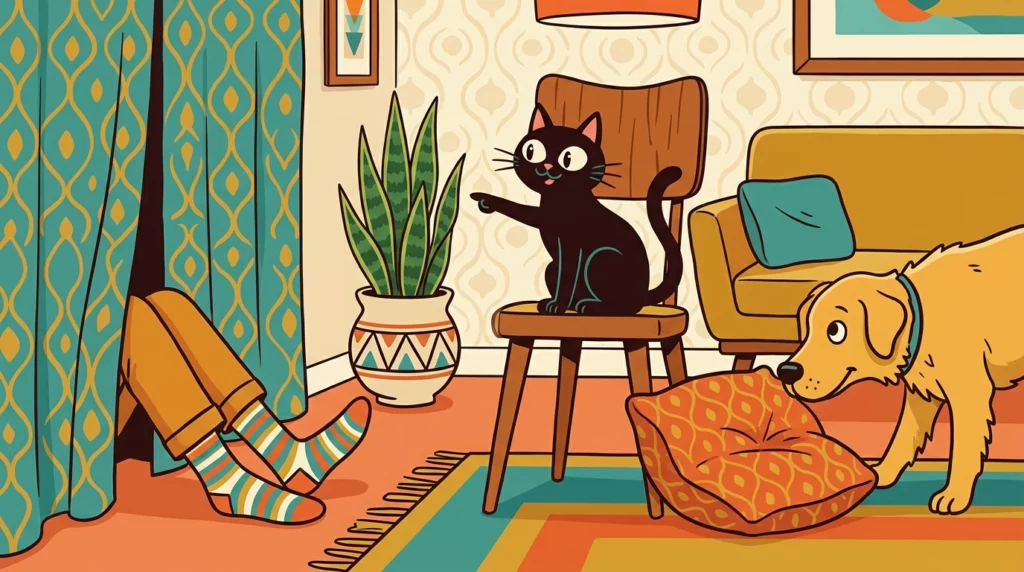
This is a personal favorite of mine to watch. Hide behind a door or under a blanket and call your dog’s name. Watch their little brain work as they follow your scent and voice. The pure joy when they find you is unmatched (and highly entertaining to witness from my safe perch on top of the fridge).
Final Thoughts: Play is Love in Action
At the end of the day, play isn’t a luxury; it’s a necessity. Whether you’re tossing a ball, solving a puzzle together, or just acting silly on the living room rug, you are building a stronger bond with your dog while actively protecting their physical and mental health.
So go ahead—grab that tug toy, make a fool of yourself, and let your dog play. And if you need me, I’ll be over here, swatting at a stray piece of yarn. You know, for science.