
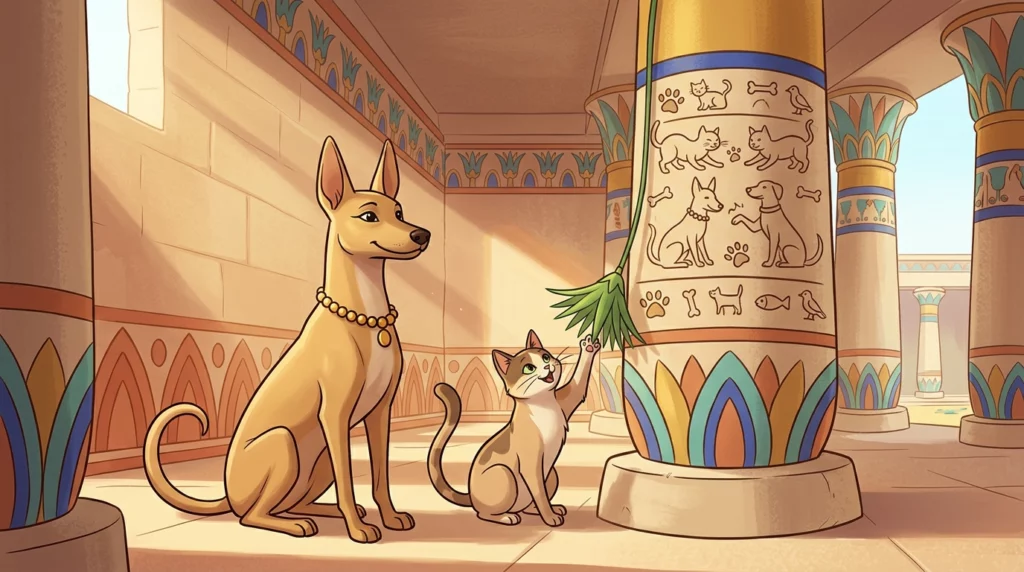
Yuna here, your resident feline chaotic adventurer! Now, if you know anything about me, you know I love exploring high places, knocking things off counters, and reminding everyone that cats were worshipped as living gods in Ancient Egypt. It’s true! We were fabulous, elegant, and entirely deserving of the golden treatment. But the other day, while doing some very important archaeological research (by which I mean batting at a stray piece of yarn near the SnoutScoop archives), I stumbled upon a historic truth that made my whiskers twitch.
It turns out, dogs had a pretty sweet gig in Ancient Egypt too. Yes, those goofy, tail-wagging, mud-loving canines were highly respected, pampered, and even buried like royalty. Let’s hop into our time machine and find out how dogs became the Pharaoh’s best friends!
More Than Just Guard Dogs: The Roles of Egyptian Canines
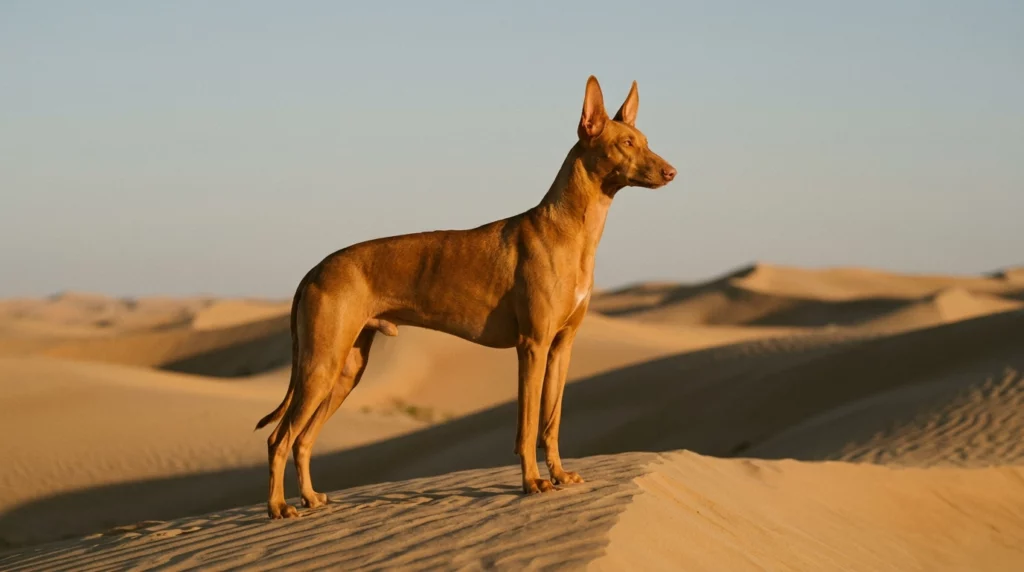
While we cats were busy looking majestic and keeping the granaries free of mice, dogs were the ultimate multi-tool of the ancient world. According to the World History Encyclopedia, dogs in Egypt were classified as working animals, but they were deeply loved companions, too. They held jobs ranging from household guardians to police officers, military assets, and skilled hunters.
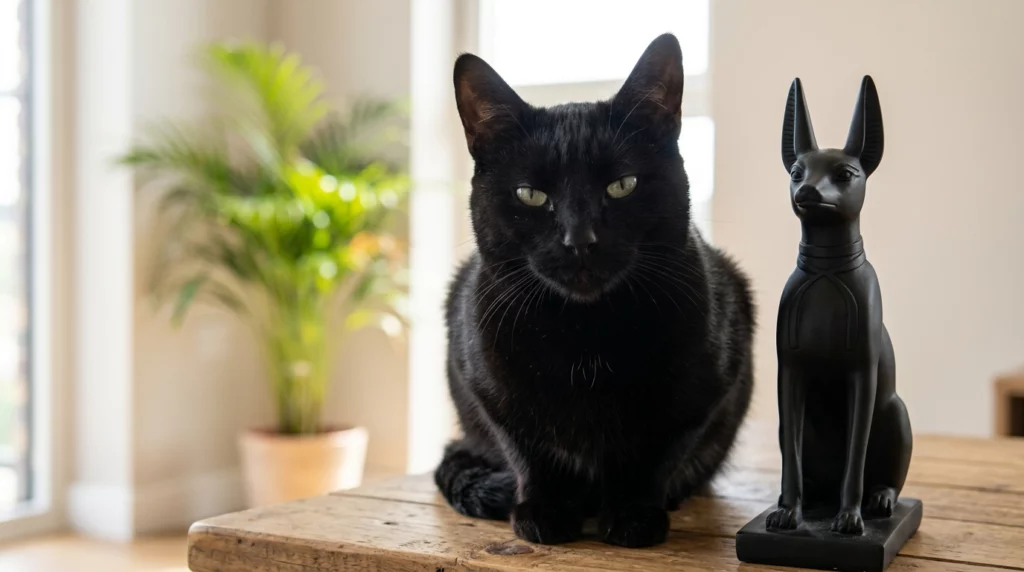
The Egyptians bred several types of dogs, most notably the Tesem—a sleek, sight-hound ancestor of modern greyhounds and Salukis, complete with erect ears and a curled tail. Imagine a dog built like a sports car, sprinting across the desert sands to fetch dinner! They were also closely associated with Anubis, the jackal-headed god of mummification and the afterlife, making them spiritually significant to everyday Egyptians. They weren’t just pets; they were links to the divine.
‘Useless’ and ‘Brave One’: The Hilarious Names of Ancient Dogs
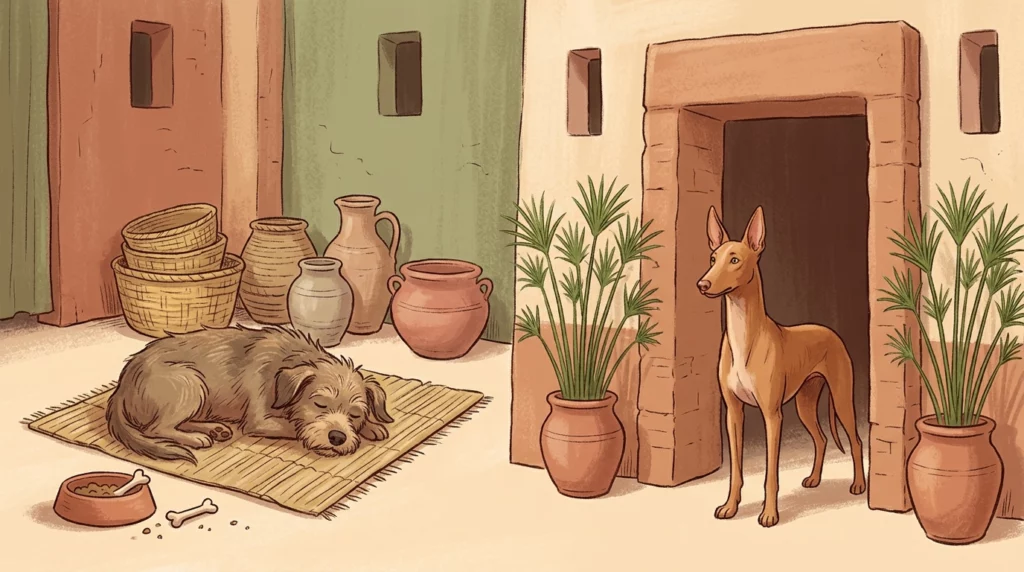
One of my absolute favorite things about ancient Egyptians is that they didn’t just call their pets “Dog.” They gave them actual, highly descriptive names, and we know this because archaeologists have found collar inscriptions, stelae, and tomb drawings.
As detailed on Medium, these names fell into a few hilarious, proud, and sweet categories:
- The Achievers: Names like “Brave One,” “Reliable,” “Good Herdsman,” or “Northern Wind” (perfect for a fast runner!).
- The Lookers: “Ebony,” “Blacky,” or names describing their coats.
- The… Huh?: Some sarcastic Egyptian human literally named their dog “Useless.” Can you imagine? “Come here, Useless! Stop eating the papyrus!” There was also a dog named “Beaten-by-the-Stick,” which historians suggest might have been a protective charm or a humorous nod to a stubborn pup who just wouldn’t listen.
Honestly, as a cat, I totally get the “stubborn” part. I respect the hustle, even if it earned them some questionable nicknames.
Abuwtiyuw: The Dog Who Got a Pharaoh’s Burial
If you think your dog is spoiled because they have a memory-foam orthopedic bed and artisanal treats, wait until you hear about Abuwtiyuw (sometimes spelled Abutiu). He is one of the earliest documented named pets in history, living before 2280 BC!
As documented on Grokipedia and discussed on Quora, Abuwtiyuw was a royal guard dog who was so beloved by the Pharaoh (likely of the Old Kingdom’s Sixth Dynasty) that when the pup passed away, the ruler ordered a funeral fit for a human nobleman.
The Pharaoh decreed that Abuwtiyuw be buried in a custom-made coffin from the royal treasury, wrapped in fine linen, and given sweet-smelling incense and perfumed ointment. The goal? To ensure that the dog would be honored before the great god Anubis in the afterlife. A limestone slab, or stela, was carved to record this decree so the dog’s memory would live forever. Now that is executive-level spoiling.
Pampered in Life, Honored in Death
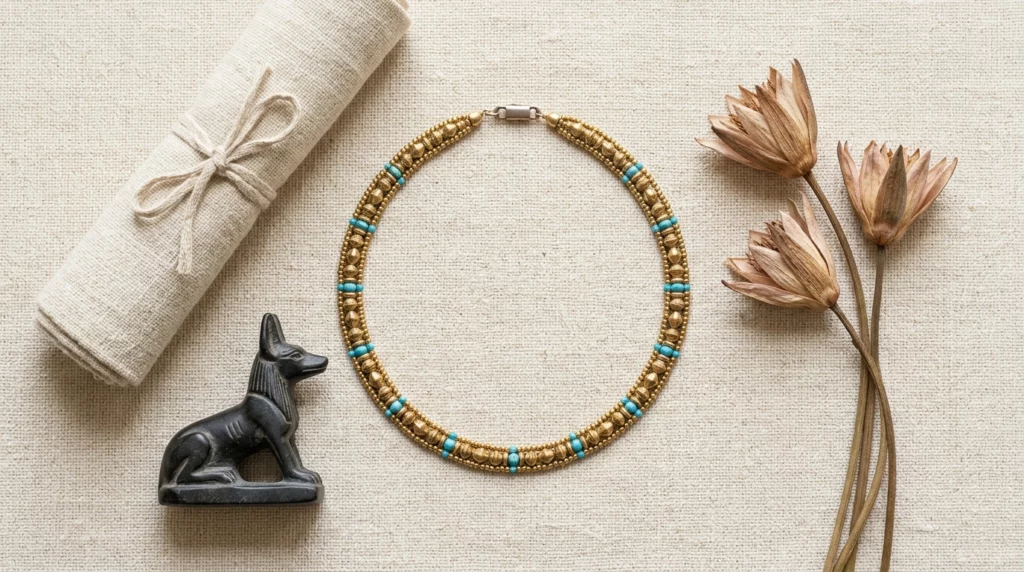
Ancient Egyptians didn’t stop at fancy names and royal funerals. They wanted their dogs to look stylish during their daily walks. The Brooklyn Museum houses a stunning example of an ancient Egyptian dog collar made of leather, embossed with lively scenes of dogs hunting ibexes and leopards. It even has a brass buckle!
According to The Curious Egyptologist, dogs were so integral to the family unit that when a pet dog died, the entire family would go into deep mourning. This involved shaving their entire bodies—including their eyebrows! (Imagine Niki or Blu having to shave their eyebrows. Actually, don’t. That is a terrifying image.)
To make sure they’d meet again in the Field of Reeds (the Egyptian version of heaven), dogs were often mummified and buried in their own special graves, or even alongside their owners. In places like Abydos, massive animal cemeteries have been found, proving just how much these creatures meant to their human companions, as highlighted by JSTOR Daily.
A Cat’s Final Verdict
Okay, fine. I’ll admit it. Ancient Egyptian dogs were pretty cool. They weren’t just chaotic balls of energy like my buddy Blu; they were loyal protectors, trusted hunting partners, and cherished family members who earned their place in history.
Whether they were named “Brave One” or “Useless,” they left their paw prints all over the sands of time. So, the next time your dog does something incredibly silly, just remember: thousands of years ago, a Pharaoh might have ordered a monument built in their honor. Or at least called them “Useless” with a big, loving smile!