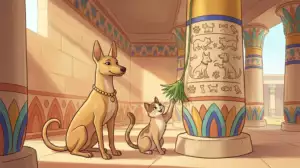
The origins of dogs

Travel back beyond modern breeds to explore the origins of dogs. Discover their wolf ancestry, early relationships with hunter-gatherers and traces of ancient population movements. Learn to distinguish established findings from competing explanations, including what recent genetic discoveries reveal without settling every question about domestication.

Training mode

The origins of dogs

0 / 20 answered

  1. 1. Did the 2022 ancient-wolf study locate the exact founding wolf populations of dogs?

    Did the 2022 ancient-wolf study locate the exact founding wolf populations of dogs?
  2. 2. Which ancestral animals gave rise to domestic dogs?

    Which ancestral animals gave rise to domestic dogs?
  3. 3. On a timeline of animal domestication, where does the dog belong?

    On a timeline of animal domestication, where does the dog belong?
  4. 4. What happened to indigenous dog ancestry after European arrival in the Americas?

    What happened to indigenous dog ancestry after European arrival in the Americas?
  5. 5. Which description best captures the origins of dogs?
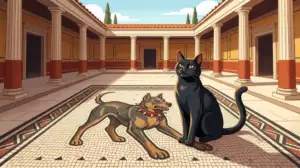
    Which description best captures the origins of dogs?

  6. 6. Is an ancient genetic lineage the same thing as a modern recognised breed?

    Is an ancient genetic lineage the same thing as a modern recognised breed?
  7. 7. Where were the roughly 15,800-year-old dog remains reported in March 2026 found?

    Where were the roughly 15,800-year-old dog remains reported in March 2026 found?
  8. 8. Are living wolves automatically unchanged copies of the ancestors of dogs?

    Are living wolves automatically unchanged copies of the ancestors of dogs?
  9. 9. Must changes in human and dog populations always follow the same pattern?

    Must changes in human and dog populations always follow the same pattern?
  10. 10. Why is ancient maternal ancestry surviving in some Chihuahuas interesting?

    Why is ancient maternal ancestry surviving in some Chihuahuas interesting?
  11. 11. Does ancestry from two wolf populations automatically prove two independent domestications?

    Does ancestry from two wolf populations automatically prove two independent domestications?
  12. 12. What proposed benefit could favour early cooperation with dogs?

    What proposed benefit could favour early cooperation with dogs?
  13. 13. Which British site supplied a roughly 14,300-year-old genetically identified dog in the 2026 research?

    Which British site supplied a roughly 14,300-year-old genetically identified dog in the 2026 research?
  14. 14. In the camp-scavenging hypothesis, what could attract wolves towards people?

    In the camp-scavenging hypothesis, what could attract wolves towards people?
  15. 15. How does the formation of most modern standardised breeds compare with domestication?

    How does the formation of most modern standardised breeds compare with domestication?
  16. 16. Which broad setting belongs to the beginnings of dog domestication?

    Which broad setting belongs to the beginnings of dog domestication?
  17. 17. What does shared ancestry between an early European dog and later dogs elsewhere suggest?

    What does shared ancestry between an early European dog and later dogs elsewhere suggest?
  18. 18. What communities lived with the dogs identified at Pınarbaşı and Gough's Cave?

    What communities lived with the dogs identified at Pınarbaşı and Gough's Cave?
  19. 19. What did a 2020 ancient-dog study infer for roughly 11,000 years ago?

    What did a 2020 ancient-dog study infer for roughly 11,000 years ago?
  20. 20. Do early European dog discoveries alone prove a European domestication centre?

    Do early European dog discoveries alone prove a European domestication centre?
Questions covered in this exam
  1. Which ancestral animals gave rise to domestic dogs?
  2. On a timeline of animal domestication, where does the dog belong?
  3. What communities lived with the dogs identified at Pınarbaşı and Gough's Cave?
  4. Which broad setting belongs to the beginnings of dog domestication?
  5. In the camp-scavenging hypothesis, what could attract wolves towards people?
  6. What proposed benefit could favour early cooperation with dogs?
  7. Did the 2022 ancient-wolf study locate the exact founding wolf populations of dogs?
  8. Does ancestry from two wolf populations automatically prove two independent domestications?
  9. What did a 2020 ancient-dog study infer for roughly 11,000 years ago?
  10. Is an ancient genetic lineage the same thing as a modern recognised breed?
  11. Where were the roughly 15,800-year-old dog remains reported in March 2026 found?
  12. Which British site supplied a roughly 14,300-year-old genetically identified dog in the 2026 research?
  13. What does shared ancestry between an early European dog and later dogs elsewhere suggest?
  14. Must changes in human and dog populations always follow the same pattern?
  15. What happened to indigenous dog ancestry after European arrival in the Americas?
  16. Why is ancient maternal ancestry surviving in some Chihuahuas interesting?
  17. How does the formation of most modern standardised breeds compare with domestication?
  18. Are living wolves automatically unchanged copies of the ancestors of dogs?
  19. Do early European dog discoveries alone prove a European domestication centre?
  20. Which description best captures the origins of dogs?

Further reading

SnoutScoop Newsletter

A little more dog in your inbox

Stories, discoveries and things to learn about dogs. Get news from SnoutScoop in your preferred language.