
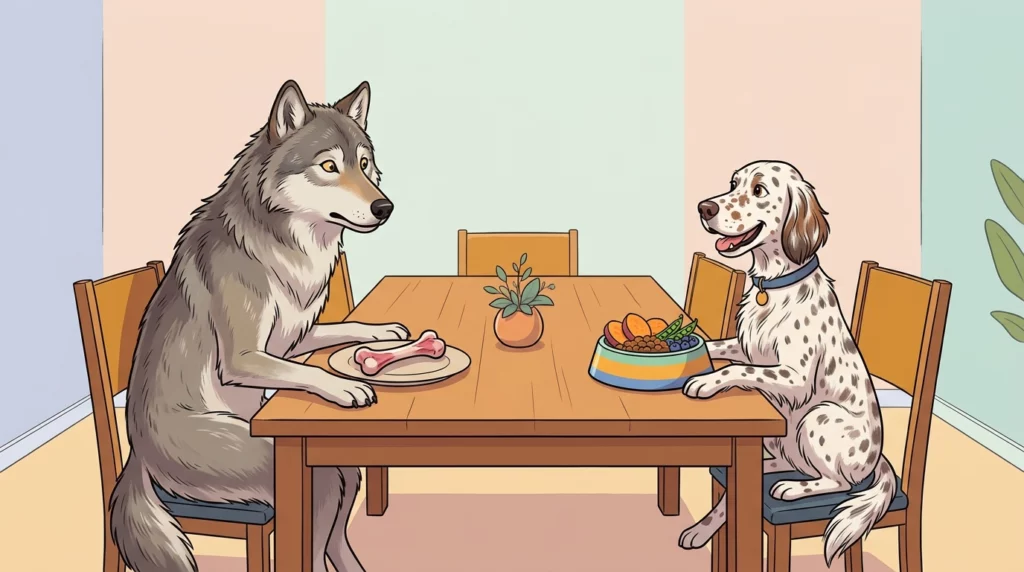
Hello, refined readers. Niki here. As a five-and-a-half-year-old English Setter, I pride myself on maintaining high standards around the SnoutScoop headquarters. While my esteemed packmate Blu is currently outside trying to convince a squirrel to play tag, and our feline overlord Pisino is judging us from atop the refrigerator, I prefer to spend my afternoons investigating the finer details of canine life. Today, we are discussing something very close to my heart—and my stomach: the science of the doggy diet.
If you have turned on a television or scrolled through social media lately, you have undoubtedly seen the advertisements. A majestic wolf stands atop a snowy peak, howling at the moon, while a dramatic voiceover implies that your miniature poodle possesses the exact same nutritional requirements as a wild apex predator. But is this biologically accurate? Or is it simply clever marketing designed to make you buy expensive bags of grain-free kibble? Let us look at what the actual, peer-reviewed science has to say.
The Starch Revolution: It Is in Our DNA
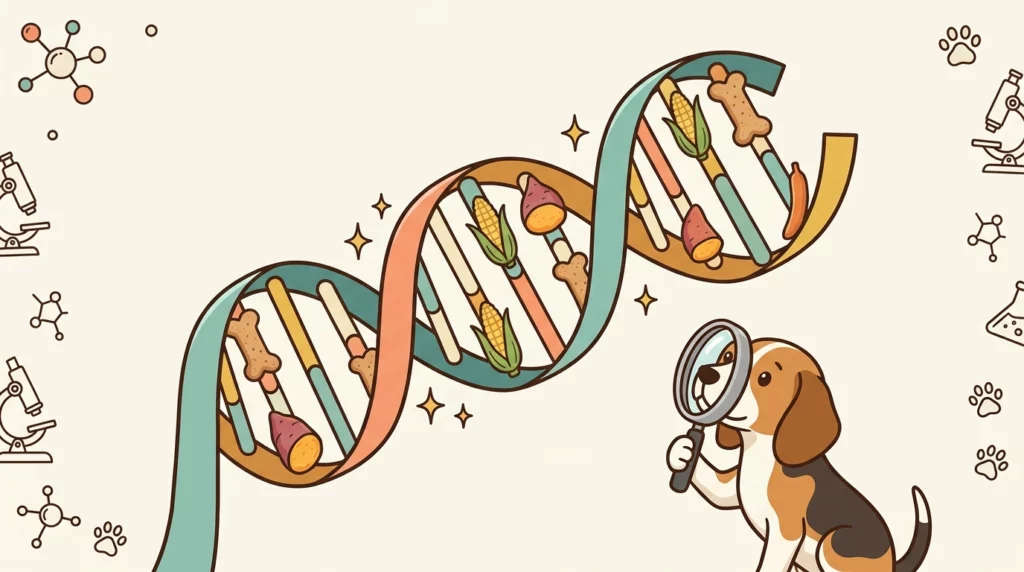
To understand why we dogs eat the way we do, we have to look back thousands of years. Yes, our wild ancestors were wolves, and yes, they thrived on a diet consisting primarily of meat. However, a groundbreaking 2013 genetic study published in Nature—which you can review on PubMed—revealed that the path to dog domestication was paved with starch.
Researchers compared the genomes of modern dogs with those of wild wolves to identify the genetic changes that occurred during domestication. As explained by the Broad Institute, one of the most significant genomic differences lies in our ability to digest starch. Specifically, dogs carry significantly more copies of the AMY2B gene, which is responsible for producing amylase—the crucial enzyme that breaks down starch into sugar in the small intestine.
While wolves typically possess only two copies of this gene (one from each parent), modern dogs can carry anywhere from 4 to 30 copies! This genetic upgrade means that we are uniquely equipped to process carbohydrates in a way that our wild ancestors simply cannot.
How Humans Reshaped Our Digestive Systems
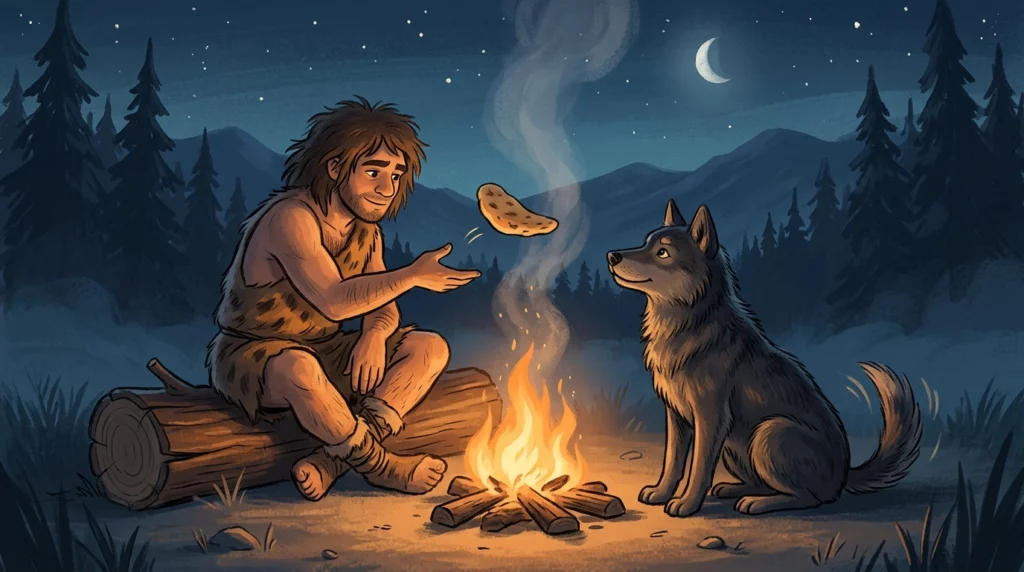
How did this happen? It all comes down to co-evolution. As humans transitioned from nomadic hunter-gatherers to settled farmers, they began growing grains like wheat, barley, and millet. The wolves that chose to linger around early human settlements quickly realized that agricultural waste was an easy source of calories.
According to geneticists at the University of Rennes, our genomes adapted in real-time as human agricultural practices evolved. The dogs who were genetically better equipped to digest starches survived, thrived, and reproduced, passing those carb-friendly genes down through generations. This deep biological link is further supported by recent evolutionary genetics research, which highlights how our entire digestive metabolism shifted away from strict carnivory to accommodate a more omnivorous diet alongside humans.
Debunking the ‘Ancestral Diet’ Trend
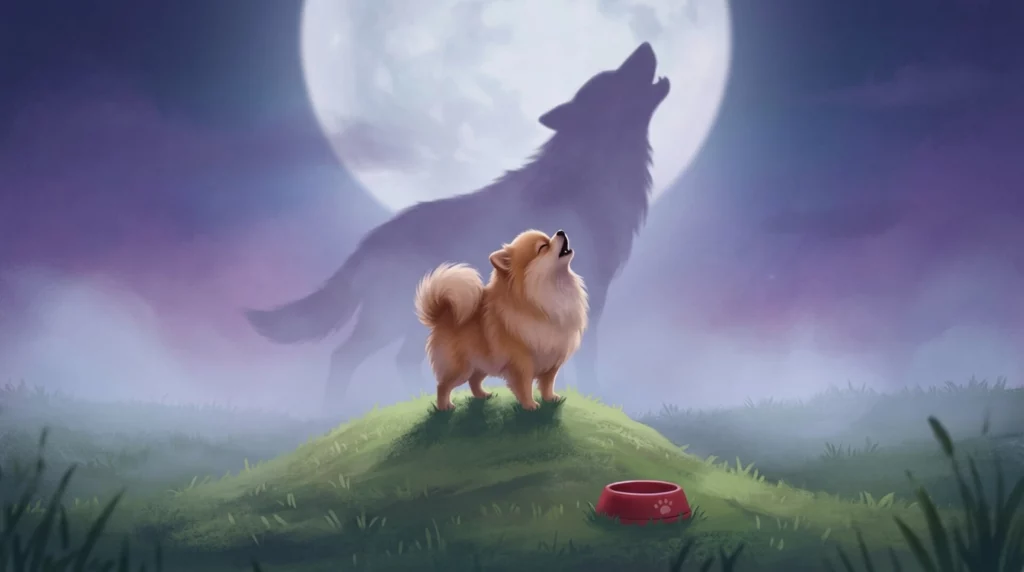
This brings us to the highly popularized “ancestral diet” trend. Many pet parents are led to believe that feeding their dogs a raw, meat-only diet is the most natural and healthy choice. However, the veterinary experts at VCA Animal Hospitals urge caution.
Treating a modern domestic dog like a Pleistocene grey wolf ignores thousands of years of metabolic evolution. Domestic dogs are officially classified as omnivores, not obligate carnivores. Feeding a diet that lacks grains or complex carbohydrates can lead to severe nutritional imbalances unless it is meticulously formulated by a veterinary nutritionist. Furthermore, raw meat diets carry a high risk of bacterial contamination (such as Salmonella and Listeria), which poses a threat to both the dog and the humans in the household.
Can Dogs Go Entirely Meatless?
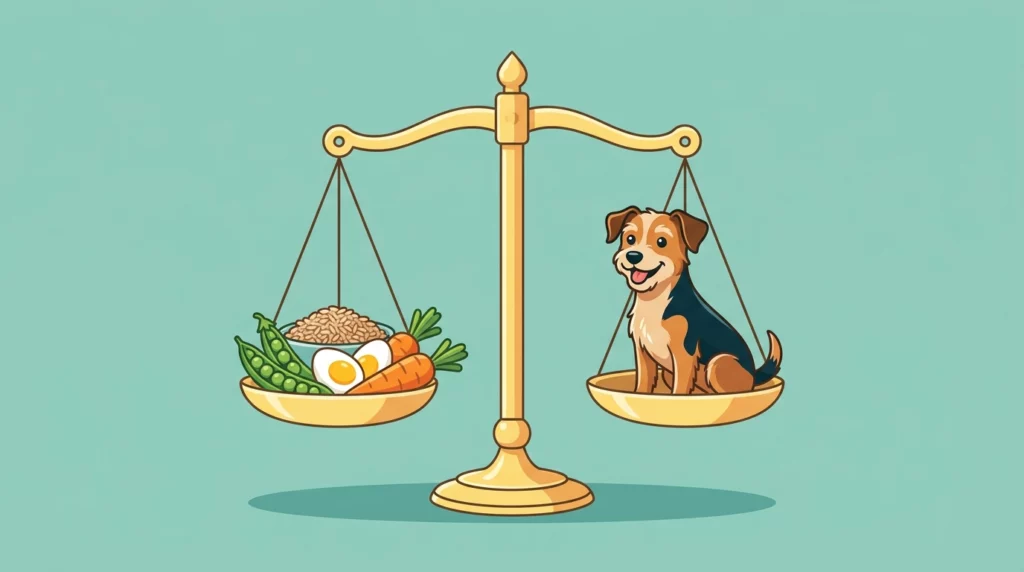
Since we are established omnivores who can efficiently process plant-based nutrients, a common question arises: Can dogs live a healthy life on a vegetarian or even vegan diet?
The veterinary nutritionists at Tufts University have thoroughly analyzed this topic. In a comprehensive Tufts University Petfoodology analysis, experts explain that because dogs are omnivores, they can technically synthesize all the essential nutrients they need from a carefully designed vegetarian or vegan diet. Unlike cats, who absolutely require meat-based proteins like taurine to survive, dogs are far more flexible.
However, the veterinary team at Tufts issues a strong warning: do not try to formulate a vegan dog diet at home. Plant proteins are generally less digestible than animal proteins, and without precise scientific formulation, a meatless diet can easily become deficient in essential amino acids, vitamins, and minerals. If you are considering a meat-free lifestyle for your pup, it must be done using highly tested, commercially prepared vegetarian diets, ideally under the direct supervision of your veterinarian.
Niki’s Discerning Verdict
As a dog who deeply appreciates a well-balanced bowl, my conclusion is clear: do not let flashy marketing campaigns guilt-trip you into thinking your dog is a wild wolf who must only eat raw meat. Science has proven that our history is beautifully intertwined with yours. We evolved to share your hearth, your lifestyle, and yes, even your agricultural leftovers.
Whether you feed your dog high-quality commercial kibble containing wholesome grains, or a carefully balanced alternative diet, the goal should always be complete and balanced nutrition backed by veterinary science, not wolf-themed mythology. Now, if you will excuse me, I hear the distinct sound of a cheese wrapper being opened in the kitchen, and my highly evolved omnivorous senses require me to investigate.