A Purr-fectly Outrageous Accusation
Hello, loyal subjects. Pisino here—black cat, undisputed chief of the SnoutScoop household, and the only one around here with the intellectual capacity to dissect historical judicial emergencies. Today, we need to talk about a grave injustice. Not to a cat (for once), but to a dog.
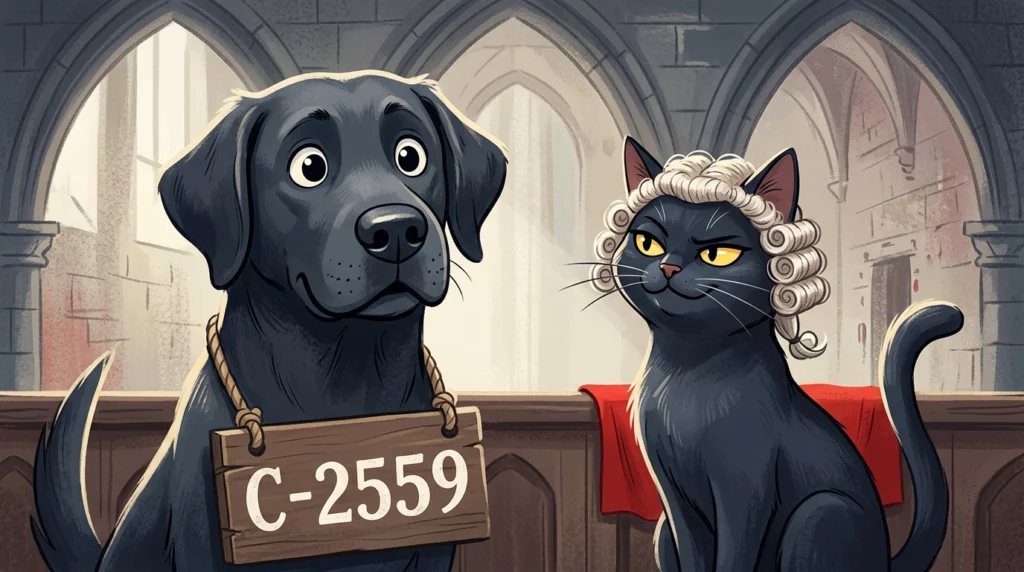
Imagine the scene: The year is 1924. The place is Eastern State Penitentiary in Pennsylvania, a imposing, gothic fortress of a prison designed to make souls tremble. A new inmate arrives. He is assigned inmate number C-2559. His mugshot is taken, ears perked, eyes wide with what can only be described as guilty energy. The charge? First-degree murder of a beloved feline belonging to the Governor’s wife.
The inmate in question? A handsome Black Labrador Retriever named Pep.
As a cat, my initial reaction to this historical anecdote was, naturally, one of deep suspicion. A dog committing feline-cide is a serious matter. But as a journalist and leader of this pack, I demand cold, hard facts. Did Pep actually murder one of my majestic brethren and get sentenced to life behind bars? Or was this the ultimate framing of a very good boy? Let’s sniff out the truth.
The Legend of Pep the Cat-Killer
For decades, the story of Pep was told with a mix of horror and amusement. According to local lore and sensationalist newspaper articles of the 1920s, Pennsylvania Governor Gifford Pinchot was so furious that his family’s beloved cat had been brutally slain by the family dog, Pep, that he used his executive power to sentence the dog to life without parole.
To make the story even more delicious for the media, Pep was marched into Eastern State Penitentiary, where his mugshot was officially snapped. The photo shows Pep sitting politely next to his inmate plaque, looking like he’d just been told he was a bad boy for the first time in his life.
Newspapers across the country ran with it. The public was outraged. How could a governor lock up a dog in a grim, solitary-confinement-style prison? On the flip side, cat lovers (a group I respect) were whispering, “Justice is served.” But as any good detective knows, if a story sounds too wild to be true, it usually is.
The Exoneration: Debunking the Myth
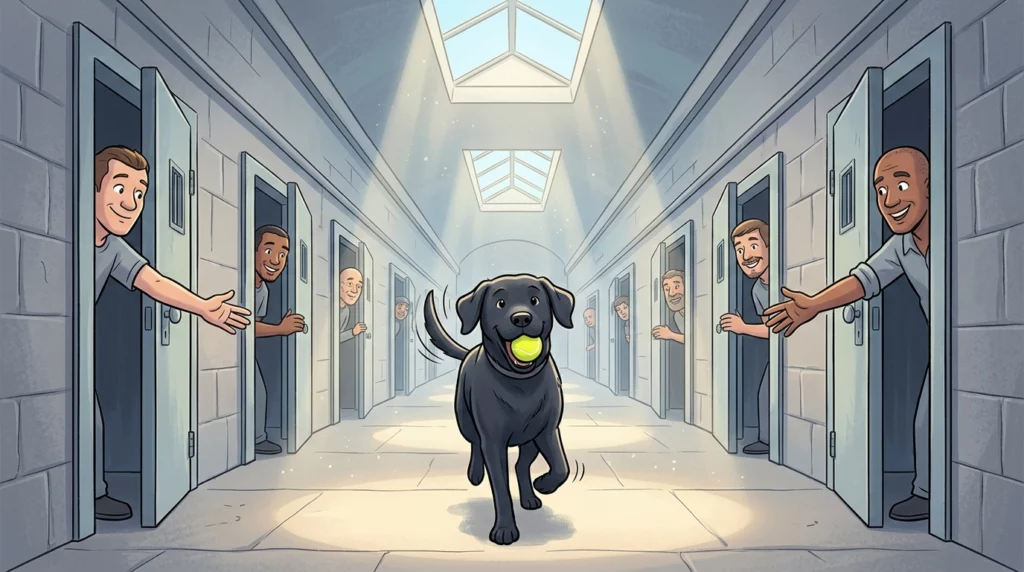
Let’s set the record straight: Pep was innocent. The cat was entirely fictional, or at the very least, completely unharmed by Pep.
According to meticulous debunking by historians at Fake History Hunter and the archives at Eastern State, Governor Pinchot did not lock Pep up out of anger. In fact, the Governor was an avid dog lover. So, why did Pep end up with a mugshot and a prison number?
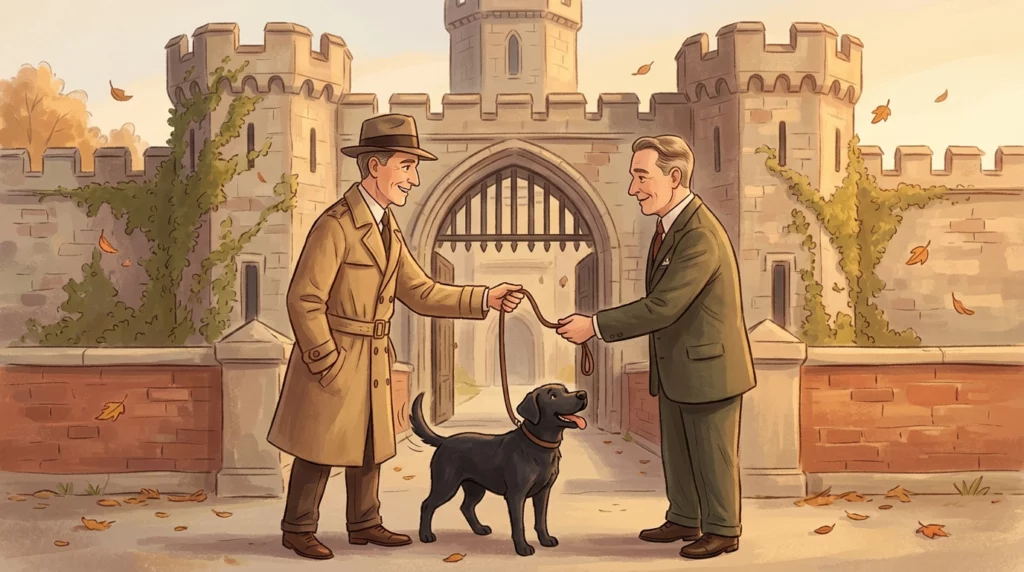
It turns out, Pep was a gift of hope. Governor Pinchot and his wife, Cornelia Bryce Pinchot, donated Pep to the prison to act as a therapeutic companion for the inmates. The Governor had visited the prison and noticed how much the inmates’ spirits were lifted by the presence of animals. Recognizing the early concepts of animal-assisted therapy, Pinchot decided Pep would be the perfect morale booster for the incarcerated men.
As for the mugshot? It was a lighthearted joke. A playful publicity stunt cooked up by the prison administration and a mischievous journalist. Unfortunately, the media did what the media does: they took the joke, added a dash of feline murder, and created a viral sensation that persisted for a century. The Pinchot family actually received thousands of letters from angry citizens pleading for the dog’s release, forcing the Governor to spend a significant amount of time writing letters to clarify that Pep was a beloved, free-roaming guest, not a hard-boiled criminal. You can read more about this bizarre media circus on Danielle Spires’ historical breakdown.
A Dog’s Life Behind Bars
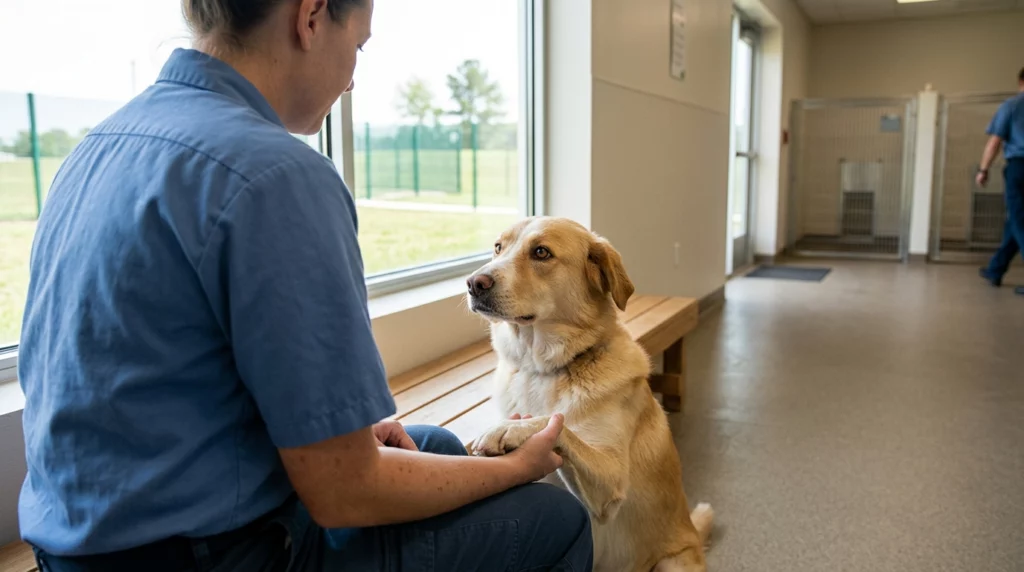
So, what was Pep’s life actually like inside Eastern State Penitentiary? Far from being locked in a dark, damp cell, Pep was essentially the king of the castle.
According to Wikipedia and prison records, Pep was beloved by both the guards and the inmates. He didn’t sleep in a cell; instead, he wandered the halls, bringing joy to the men. He spent his days receiving belly rubs, sharing lunches, and participating in daily walks around the yard. In an environment defined by isolation and silence, Pep brought a much-needed sense of humanity, warmth, and unconditional love.
In fact, Pep was so popular that when the prison grew overcrowded and a new, more modern facility—Graterford Prison—was built, Pep moved with the guards and inmates to the new site. He lived out his golden years there as a cherished member of the community, eventually dying of old age and being buried on the prison grounds.
The Pioneer of Prison Dog Programs
While the story of Pep started as a misunderstanding, it actually highlights a incredibly progressive moment in correctional history. Today, prison dog programs are widely recognized for their immense benefits. Programs where inmates train service dogs or shelter dogs not only rehabilitate the animals but also teach inmates valuable skills, empathy, and emotional regulation.
Pep was, in many ways, the grandfather of these modern initiatives, as noted in historical reviews on Ranker. He proved that a dog’s presence can break through even the toughest exterior and bring peace to a stressful environment.
Final Verdict from the Chief Cat
As a cat, I am generally protective of our reputation. However, after reviewing the evidence, I hereby officially declare Pep the Dog completely exonerated of all feline-related crimes. He was not a villain; he was a pioneer, a therapist, and a very, very good boy who mastered the art of working the system for maximum treats.
Next time you see a mugshot of a guilty-looking pet, remember Pep. Sometimes, a dog is just trying to do some social work, and the human press simply can’t handle how paws-itively charming they are.