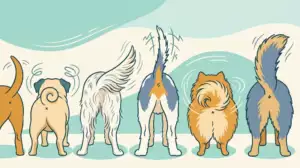
Building trust with an adopted dog
Building trust can begin with quiet presence and predictable choices. Explore contact, food, space and expectations during settling in, keeping the dog's response at the centre of the relationship.
Training mode
Building trust with an adopted dog
Questions covered in this exam
- The dog rests nearby but does not seek petting. What can build a comfortable relationship?
- Food brings a hesitant dog close, but it backs away from touch. What should you avoid?
- The dog approaches one adult more readily than another. What is constructive?
- The dog startles when a hand suddenly reaches over it. What can you change?
- A dog enters its bed when you approach. What makes that refuge trustworthy?
- Someone suggests withholding meals until the dog seeks affection. What is appropriate?
- A new learning game repeatedly frustrates the dog. What supports trust?
- Which is a better sign to track than the number of hugs you obtain?
- You accidentally drop something and frighten the dog. What next?
- Necessary care worries the dog. Which response balances trust and welfare?
- The dog is comfortable taking food from the floor but not your hand. What is reasonable?
- The dog enjoys investigating a safe activity while you sit nearby. Does this count as shared time?
- The dog trusts you in the living room but hesitates near the bath. What should you infer?
- One person respects withdrawal while another insists on contact. What would help?
- Yesterday the dog enjoyed brushing; today it moves away. What should guide the session?
- An adopted dog does not immediately show affection. Which expectation is fairer?
- The dog chooses to rest a little closer today. What is a sensible response?
- The dog avoids one particular movement. What should you avoid claiming without evidence?
- Several people try different bonding exercises all day. The dog cannot rest. What should change?
- Approaches for routine care repeatedly cause fear despite gentler attempts. What is appropriate?