If you have ever seen me sprint across the living room at three in the morning because a stray shadow looked at me funny, you already know that I, Yuna, live for adventure. I am a cat of action, curiosity, and occasional chaos. But today, I want to take you on a journey to a place so cold, so windy, and so utterly devoid of cozy heating vents that even my brave whiskers tremble just thinking about it: Antarctica.
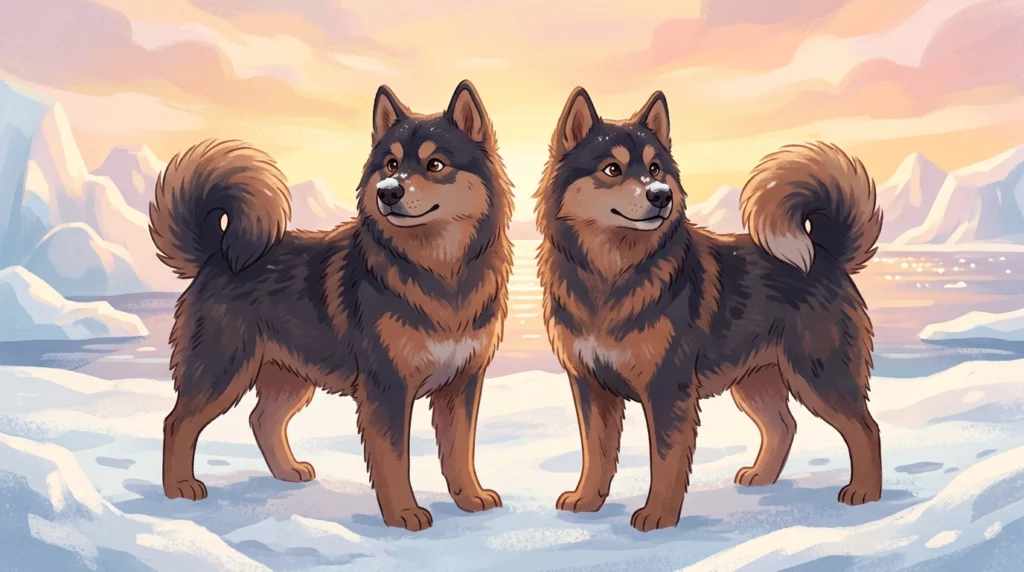
This isn’t a story about a cat, though. This is a tribute to two of the most legendary adventurers the world has ever known. I am talking about Taro and Jiro, two incredible Sakhalin Huskies (known as Karafuto-ken in Japan) who did the absolute unthinkable: they survived eleven brutal months entirely on their own in the frozen Antarctic wasteland. Grab a warm blanket, snuggle up with your favorite furry friend, and let me tell you how these two miraculous dogs conquered the ice.
The Heavy-Hearted Departure of 1958
Our story begins in 1957, when the first Japanese Antarctic Research Expedition (JARE) set out to establish Syowa Station on East Ongul Island. To navigate this treacherous, icy terrain, the expedition relied on a team of 15 Karafuto-ken dogs. These weren’t just any dogs; they were powerhouses of strength, endurance, and thick, fluffy coats designed to withstand extreme cold. According to historical records on Wikipedia, these dogs were working partners and beloved companions to the researchers.
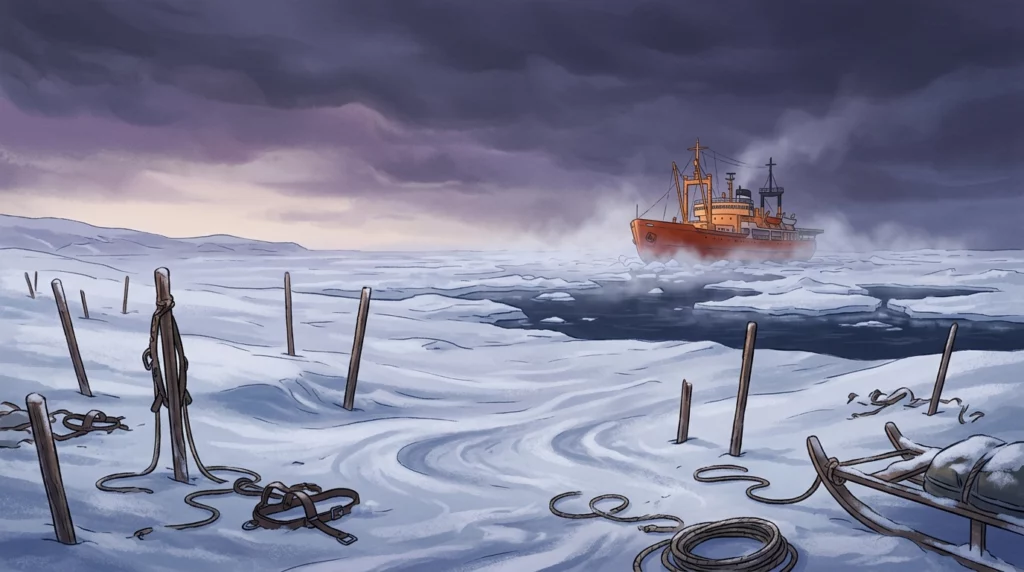
But in early 1958, disaster struck. The second team of researchers arrived on the icebreaker ship, Sōya, to relieve the first group. Unfortunately, the weather turned violently chaotic. A monstrous pack of ice trapped the ship, making it impossible to reach the station. The scientists had to be evacuated by helicopter under emergency conditions.
Because the plan was to return shortly with a relief crew, the researchers left the 15 dogs chained at Syowa Station with a few days of food. As detailed by Amusing Planet, the heavy weather got worse, fuel ran dangerously low, and the rescue mission had to be completely called off. The dogs were left behind in the dark, freezing wilderness. The handlers, especially Yasutsuji Kitamura, were devastated, fully expecting that they had just left their loyal companions to a tragic fate.
How Do You Survive 11 Months in the Freezer?
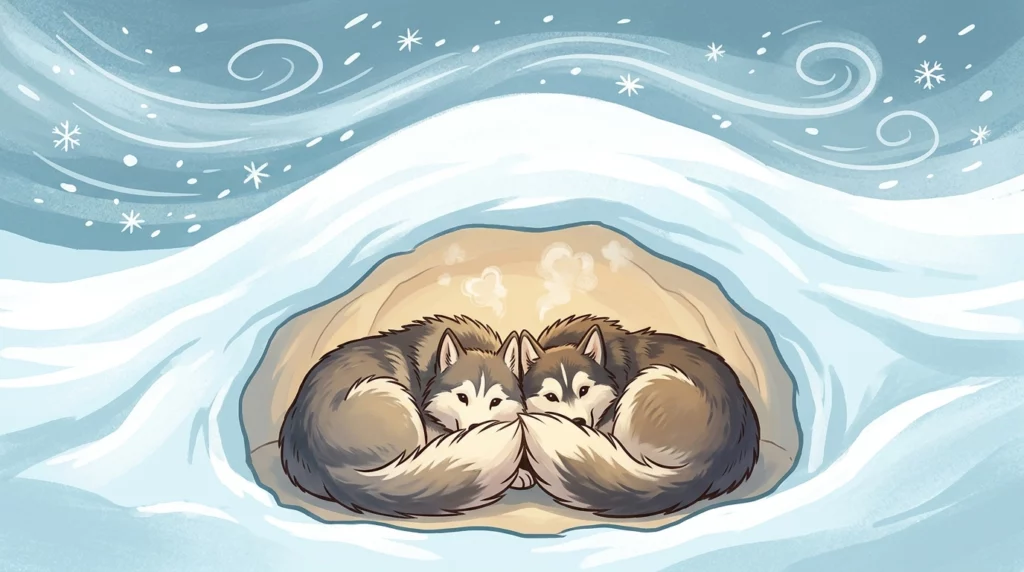
For nearly a year, the world assumed the dogs were gone. Antarctica is not known for its friendly hospitality. Temperatures drop far below freezing, wind speeds can blow you right off your paws, and there are no convenient kibble dispensers in the snow.
Yet, when the third Japanese expedition returned in January 1959, they prepared themselves for a somber graveyard. Instead, as they approached the base, they spotted two fluffy, dark figures bounding across the ice, tails wagging wildly. It was Taro and Jiro!
How on earth did they do it? As a cat who prides myself on my hunting prowess, I have to tip my imaginary hat to these two. When the researchers inspected the camp, they found that eight of the dogs had been unable to break free from their chains. But Taro, Jiro, and six others had managed to slip their collars.
According to research highlighted by Medium, the dogs did not survive by turning on their fallen pack mates. Instead, Taro and Jiro became apex predators of the ice. They learned to hunt penguins, seals, and marine life. They scavenged near the coast and utilized every ounce of their ancestral instincts to stay alive. They had to endure pitch-black polar nights, fierce blizzards, and temperatures that would make a penguin shiver. It was a masterclass in pure, unadulterated survival.
The Miracle Reunion at Syowa Station
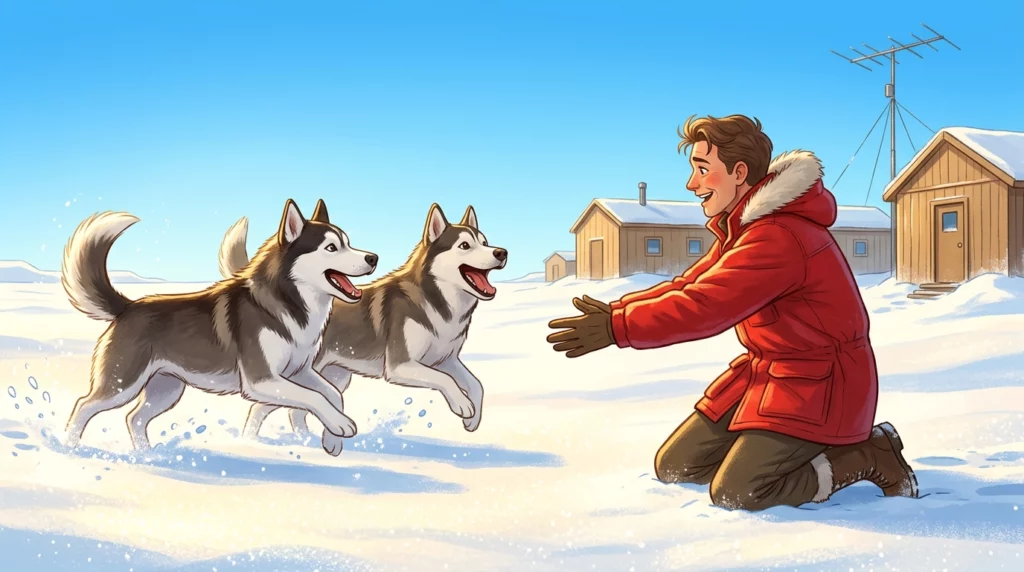
The moment Yasutsuji Kitamura stepped off the helicopter and recognized the two survivors is one of the most emotional moments in animal history. As documented on Japanbyweb, the dogs initially didn’t recognize the human in his bulky polar gear. But the moment Kitamura called out their names—”Taro! Jiro!”—their ears perked up, and they rushed forward to greet him, licking his face in joyous celebration.
News of their survival spread across the globe like wildfire. In Japan, they became instant national heroes. They symbolized courage, loyalty, and the indestructible spirit of perseverance. Their story was so profoundly moving that it inspired the famous 1983 Japanese film Antarctica (Nankyoku Monogatari), as well as the 2006 Disney adaptation, Eight Below.
A Legacy Carved in Stone (and Cinema)
Taro and Jiro’s lives after the miracle were just as remarkable. Jiro, the younger brother, remained in Antarctica to continue working as a sled dog, showing no fear of the icy landscape that had once trapped him. He passed away of natural causes on the ice in 1960. Taro, however, returned to Japan. He lived out his golden years in comfort at Hokkaido University, surrounded by admirers, until he passed away peacefully in 1970 at the grand age of 15, as noted by KCP International.
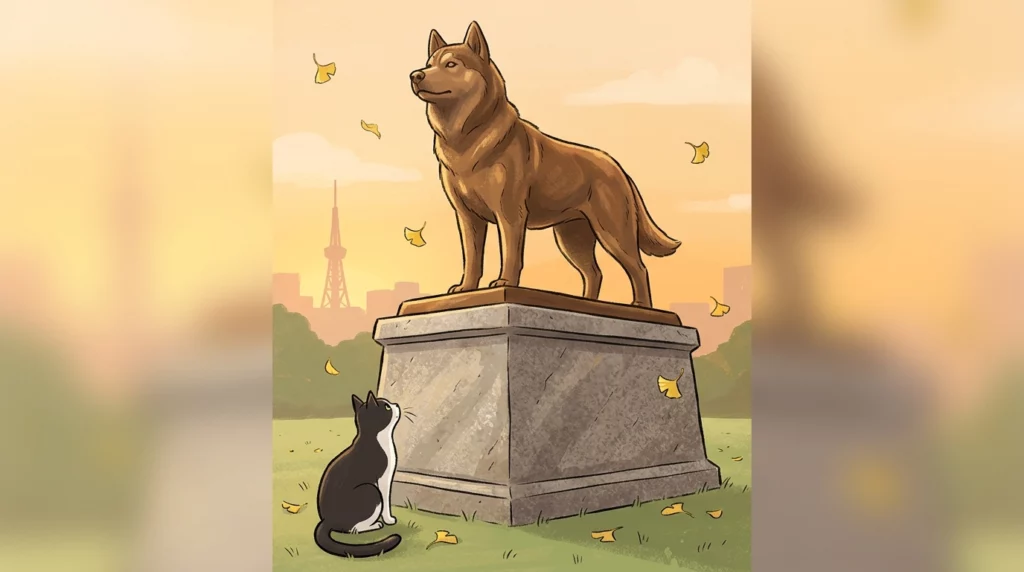
Today, you can find beautiful monuments dedicated to these brave dogs throughout Japan, including near the Tokyo Tower and at Nagoya Port. Their taxidermied remains are preserved at the National Museum of Nature and Science in Tokyo and the Hokkaido University Museum, allowing future generations to look into the eyes of true heroes.
If you want to dive deeper into the historical and scientific context of these early expeditions, you can read more via the VLIZ Library and personal historical reflections on Dogs in History.
Yuna’s Final Purr-spective
As I sit here in my sunny spot on the carpet, occasionally swatting at a rogue piece of dust, I can’t help but feel a profound sense of awe for Taro and Jiro. They remind us that animals have an extraordinary depth of intelligence, resilience, and a will to live that can conquer even the harshest environments on Earth.
So, the next time your dog hesitates to go outside because of a light drizzle, or when I complain that my food bowl is only half-full, let’s all take a moment to remember the Karafuto-ken brothers who ruled the Antarctic ice. They are proof that hope, grit, and a little bit of wild curiosity can get you through the darkest of winters. Now, if you’ll excuse me, I think I hear a cabinet door opening—and my own indoor hunting expedition awaits!