
Greetings, discerning humans and fellow canine intellectuals! Niki here, your resident English Setter. As the self-appointed guardian of editorial standards here at SnoutScoop, I must occasionally steer our focus toward matters of grave importance. Today, we are discussing something that goes far beyond the daily drama of who stole the squeaky toy: global climate change. It is not just a human talking point; it is actively reshaping our canine lives, our daily walks, and our overall health.
Let us begin with the most immediate threat: rising temperatures. As an elegant, long-haired setter, I can assure you that we dogs do not handle extreme heat with grace. When the mercury climbs, our risks of heat-related illness skyrocket. But here is an eye-opening detail that many well-meaning humans miss: while we all know the supreme danger of hot cars, recent veterinary data highlights an even more common culprit. According to research highlighted by VetClick, active exercise (yes, those standard afternoon walks) is actually the single biggest trigger for heatstroke in dogs. Even on a seemingly mild day, a brisk fetch session can push our internal cooling systems past their limits.
This shifting climate also means our nutritional and veterinary needs are changing. Industry experts at the Royal Canin Academy point out that veterinarians and pet owners must rethink how we manage hydration and dietary energy demands during prolonged heatwaves. We cannot simply adjust our own thermostats or pour ourselves an iced tea. We rely entirely on your discerning eye to read our subtle signals (heavy panting, glassy eyes, and a sudden reluctance to walk) and get us to safety before a medical emergency occurs.
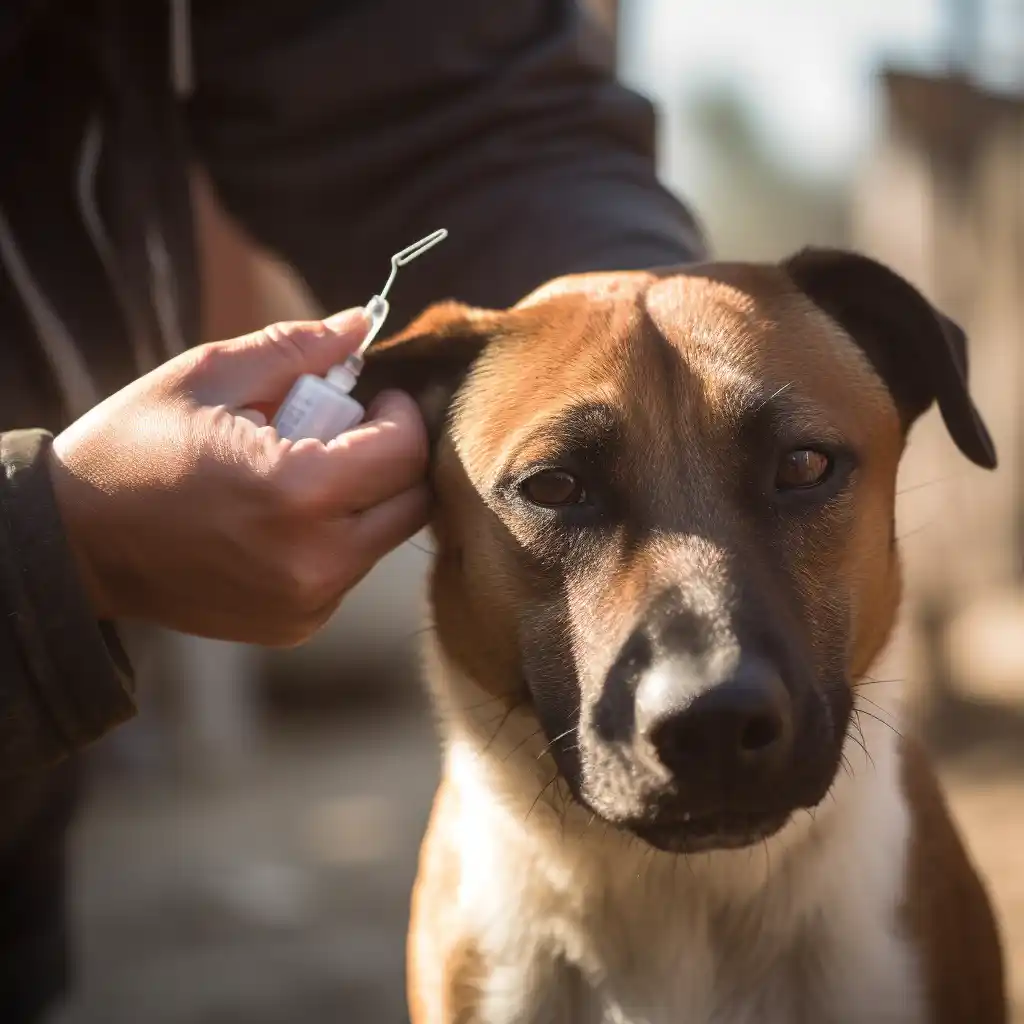
Now, let us move on to a topic that makes my highly sensitive ears twitch with sheer annoyance: parasites. Climate change has essentially handed a VIP golden ticket to fleas, ticks, and mosquitoes. Milder winters and extended summers mean these annoying critters are no longer hibernating or dying off when they should. Instead, they are thriving, multiplying, and expanding their territories into regions that used to be safe.
As detailed by researchers on PubMed and VetFolio, the geographic spread of ticks carrying Lyme disease has accelerated dramatically due to global warming. It is not just Lyme disease, either. We are seeing a rise in other vector-borne threats like heartworm and Rocky Mountain spotted fever, as noted by veterinary experts on The Vetiverse. This means a seasonal flea and tick routine simply will not cut it anymore: year-round protection is the new golden standard for keeping us safe.
And let us not forget the itch factor! If you have noticed your furry companions scratching more than usual, you are not imagining things. Publications like Edition Dog and dermatological experts at Douxo explain that rising temperatures and higher humidity alter the microclimate of a dog’s skin. This creates the perfect breeding ground for yeast infections, atopic dermatitis, and environmental allergies. Hotter days genuinely equal itchier dogs, making proper coat maintenance and veterinary skin care more vital than ever.
Beyond the daily irritations of bugs and humidity, climate change is bringing more dramatic disruptions in the form of extreme weather. Hurricanes, severe flooding, and wildfires are becoming increasingly common. For us dogs, these events are incredibly disorienting. A sudden evacuation can separate us from our families, exposing us to injury, contaminated water, and extreme psychological stress, as noted on Itchy Pet Vet.
Yet, amidst these environmental challenges, we also see the very best of the canine-human bond. Disasters highlight the indispensable role of highly trained search and rescue dogs. These heroic pups put their noses to the ground in treacherous conditions to locate survivors and bring families back together. Their unmatched dedication is a beautiful reminder of why our health is worth protecting: we are always ready to stand by your side, even when the world is quite literally storming around us.

So, what is a responsible, dog-loving human to do? The key is preparation and proactive care. By adjusting our walk times to the cool mornings, keeping our parasite preventives up to date, and creating an emergency plan that includes your pets, you can protect us from the changing environment. Supporting broader initiatives to reduce our collective carbon footprint also helps ensure that future generations of dogs have healthy, beautiful fields to run through.
To keep your knowledge base as sharp and discerning as my own, I highly recommend exploring these excellent resources on the subject:
- How climate change can affect your dog’s health https://dogsbestlife.com/dog-health/climate-change-affects-dog-health
- How Climate Change Affects Your Dog’s Health https://dogtime.com/dog-health/36709-climate-change-affects-dogs-health
- Climate Change and Your Dog: What You Need to Know https://www.cravepetfoods.com/blogs/dog/climate-change-and-your-dog-what-you-need-to-know