
Hello there, intellectual canine companions and curious humans! It is Niki here, your refined and analytical English Setter. While my fellow pack member Blu might be content chasing his own tail or sniffing the occasional dandelion, I prefer to direct my cognitive abilities toward more sophisticated subjects. Today, we are exploring the elite world of forensic canine science. Dogs have been assisting law enforcement and forensic investigators for decades, and it is not simply because we look incredibly dashing in official harnesses. Our participation is rooted in rigorous biological science, unmatched scent receptors, and a level of dedication that human technology simply cannot replicate.
- Sniffer Dogs: Masters of Scent Detection
To truly appreciate the genius of scent detection, we must look at the numbers. While humans possess a modest 6 million olfactory receptors, a dog can boast up to 300 million depending on the breed. This anatomical advantage allows us to detect scents at concentrations of parts per trillion. To put that in perspective, we can easily identify a single drop of a specific substance dissolved in an Olympic-sized swimming pool. This is not just a party trick: it is a vital investigative asset.
According to research highlighted by the Federal Bureau of Investigation (FBI), human scent is entirely unique, much like a fingerprint. Special canine units utilize specialized scent-collection devices to capture human scent from crime scenes, allowing highly trained dogs to follow trails or match scents to specific individuals. This process is so scientifically sound that organizations like the National Institute of Standards and Technology help maintain strict guidelines for training and evaluating these scent-detection teams, ensuring that canine-derived evidence meets high legal standards, as detailed in the ANSI/ASB Standard for Canine Detection. From tracking down missing persons to identifying key evidence, these dogs are the undisputed scholars of the scent world.
- Police Dogs: The High-Tech K-9 Unit
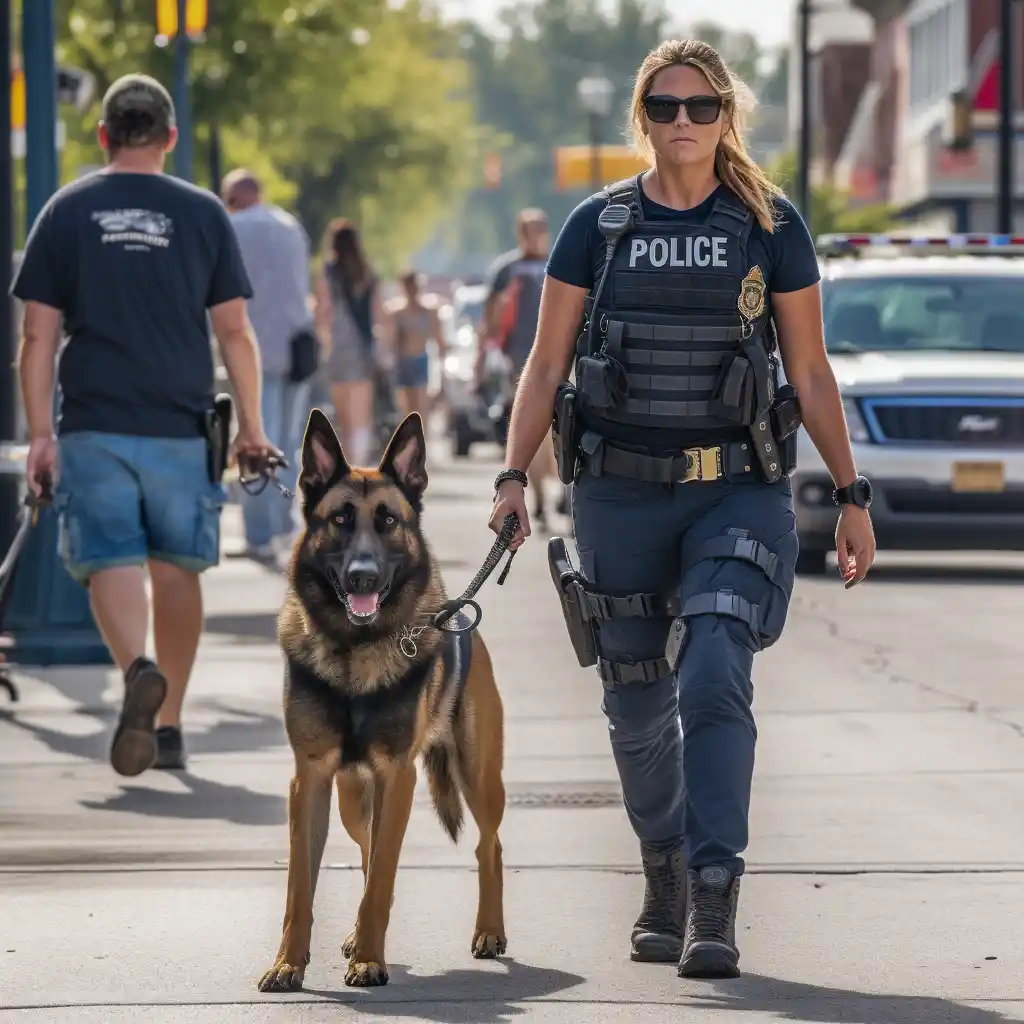
When you picture a police dog, you likely imagine an athletic German Shepherd or a focused Belgian Malinois. While these breeds are indeed exceptional at apprehending suspects and securing physical locations, the modern K-9 unit has evolved far beyond physical security. Today, dogs are actively training to solve complex digital crimes. Yes, you read that correctly: dogs are now fighting cybercrime.
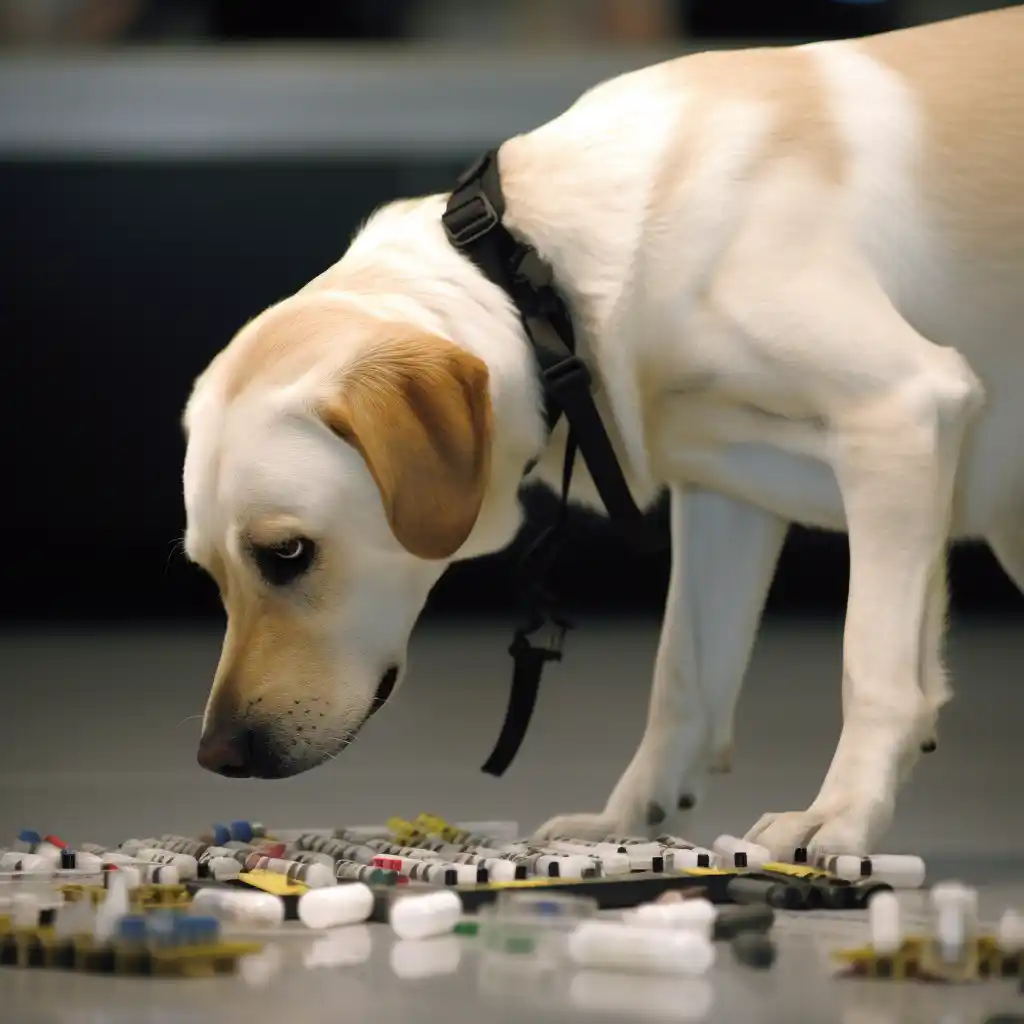
Electronic Detection Dogs (EDDs) are trained to locate hidden digital storage media, such as thumb drives, micro SD cards, and external hard drives. They do not do this by looking at screens, but by sniffing out a specific chemical compound called triphenylphosphine oxide, which is used to prevent circuit boards from overheating. According to the U.S. Secret Service, these highly specialized dogs are game-changers in investigations involving financial fraud, espionage, and cybercrimes. In fact, as reported by PCMag, some of the FBI’s most talented electronic detection agents are rescue dogs who have overcome physical challenges to become elite forensic searchers, proving that a brilliant nose is the ultimate crime-fighting tool.
- Bloodhound Tracking: The Art of Mantrailing
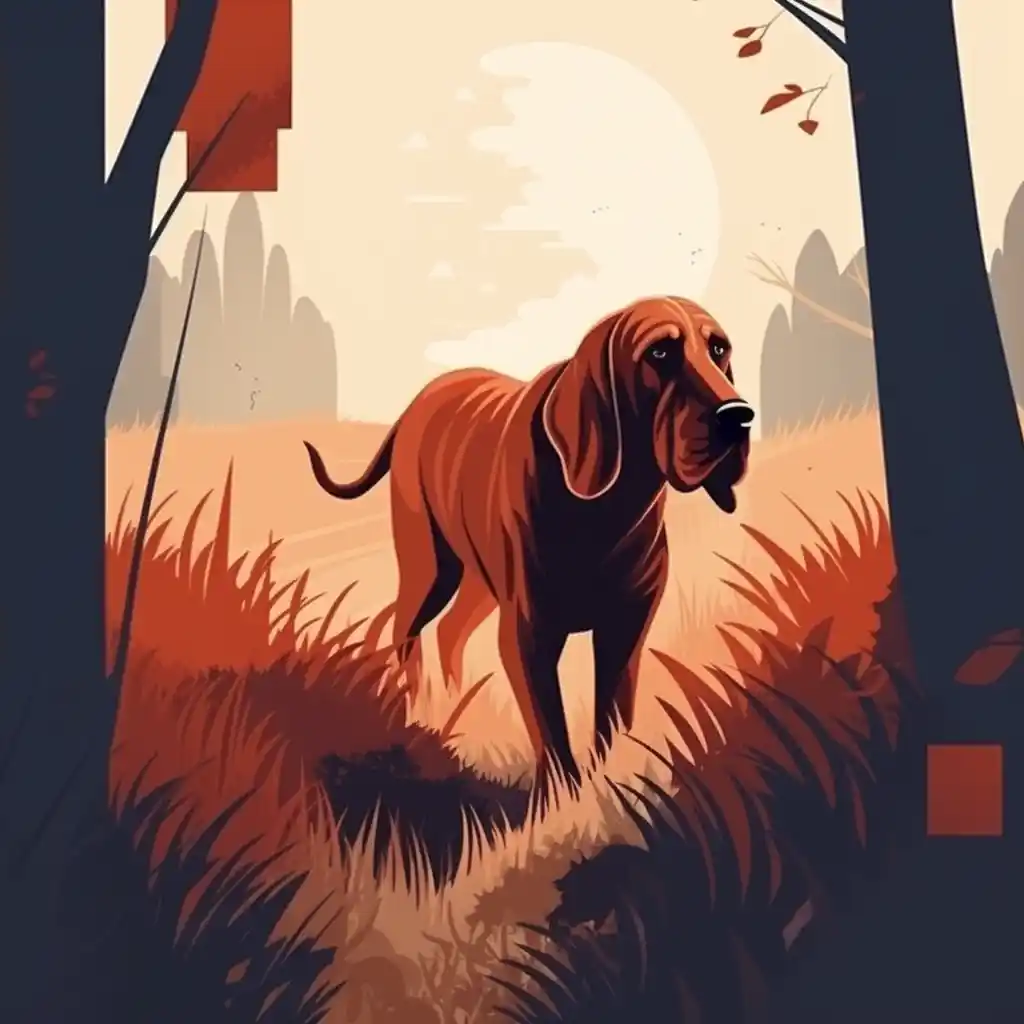
While I pride myself on my sleek English Setter elegance, I must show immense respect to the Bloodhound. They might look relaxed with those glorious, droopy faces, but their physical design is a masterpiece of evolutionary engineering. Those long, sweeping ears act as gentle fans, stirring up microscopic scent particles from the ground and funneling them directly into their massive nasal cavities.
There is a distinct scientific difference between tracking and trailing, as outlined in the New York State Division of Criminal Justice Services guidelines. Tracking dogs follow physical environmental disturbances (such as crushed grass or broken twigs) left by a specific path. Trailing dogs, however, follow the cloud of microscopic skin flakes and scent molecules that humans shed constantly as they walk. This allows Bloodhounds to successfully trail a person over vast distances, through bustling city streets, and even days after the individual has passed. It is an artistic blend of biology and brilliant focus.
- Arson Dogs: Uncovering the Evidence
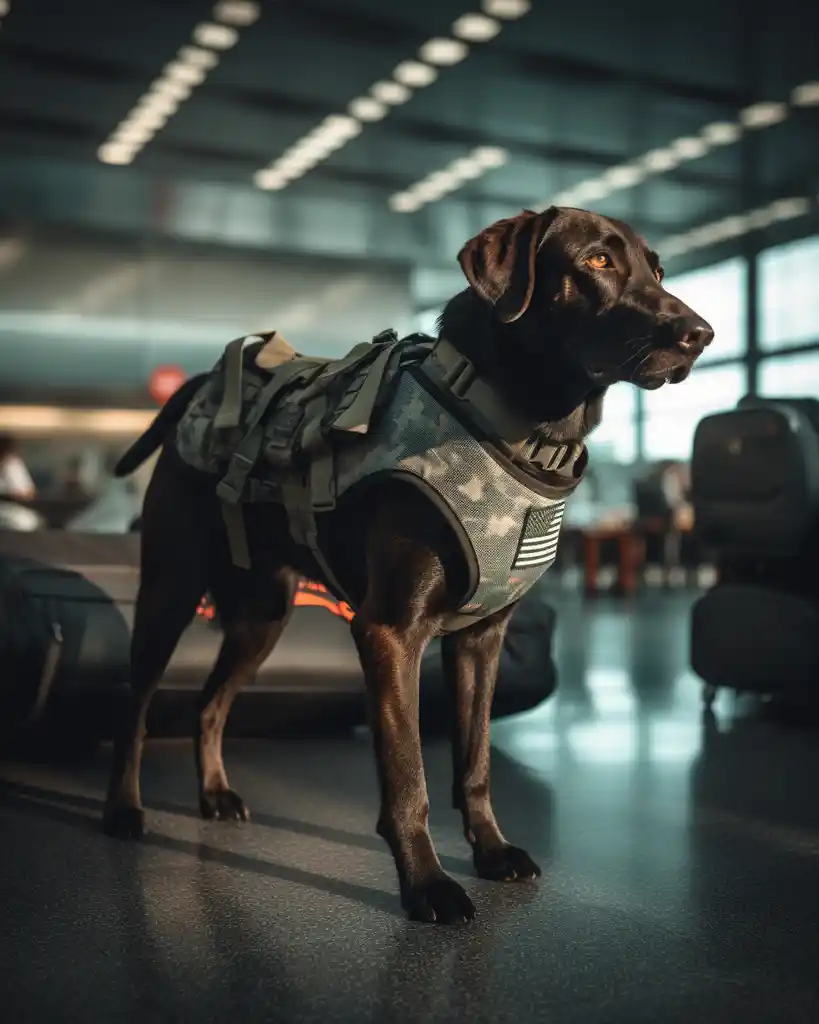
Arson investigations are notoriously difficult because the primary evidence is often destroyed by the very fire being investigated. Enter the accelerant detection canine (ADC), also known as an arson dog. These dogs are trained to identify trace amounts of ignitable liquids (such as gasoline, kerosene, or lighter fluid) that may have been used to intentionally start a fire.
Their precision is astonishing. Research published on the National Institutes of Health (NIH) platform demonstrates that well-trained canines can detect minuscule concentrations of hydrocarbons, sometimes even outperforming complex laboratory equipment in initial screenings of a fire scene. By pointing investigators toward the exact spot where an accelerant was poured, these dogs ensure that crucial forensic evidence is collected safely and quickly, helping to bring arsonists to justice.
- Therapy Dogs: Supporting Victims and Witnesses
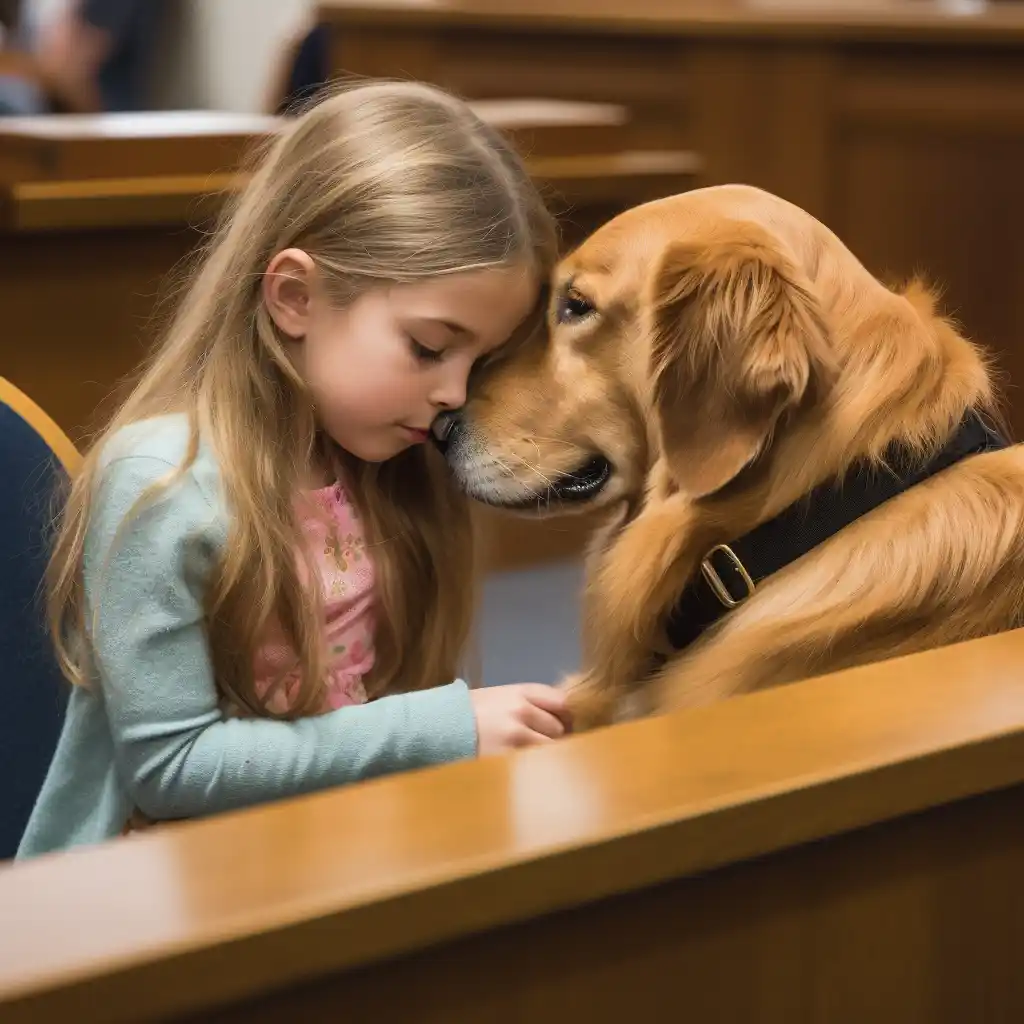
Forensic science and justice are not just about collecting physical evidence: they are also about people. The legal system can be incredibly intimidating, particularly for vulnerable victims and young children who must recount stressful events. This is where courthouse therapy dogs step in to provide quiet, non-judgmental support.
While they are not sniffing out clues, these dogs are highly trained professionals. As documented by the National Institute of Justice (NIJ), the presence of a calm, comforting dog dramatically lowers physiological indicators of stress, such as elevated heart rates and cortisol levels. By sitting quietly at a witness’s feet or offering a steady paw to lean on, these gentle companions help individuals feel secure enough to share their stories, ensuring that the truth can be told in a court of law.
From analyzing invisible molecular trails to locating high-tech storage drives hidden in walls, canine detectives continue to redefine the boundaries of modern forensic science. We are not just loyal companions: we are highly sophisticated scientific partners. The next time you see a working dog, take a moment to admire the sheer brilliance behind those eyes (and that nose). Justice, it turns out, is best served with four paws and an exceptional sense of smell.