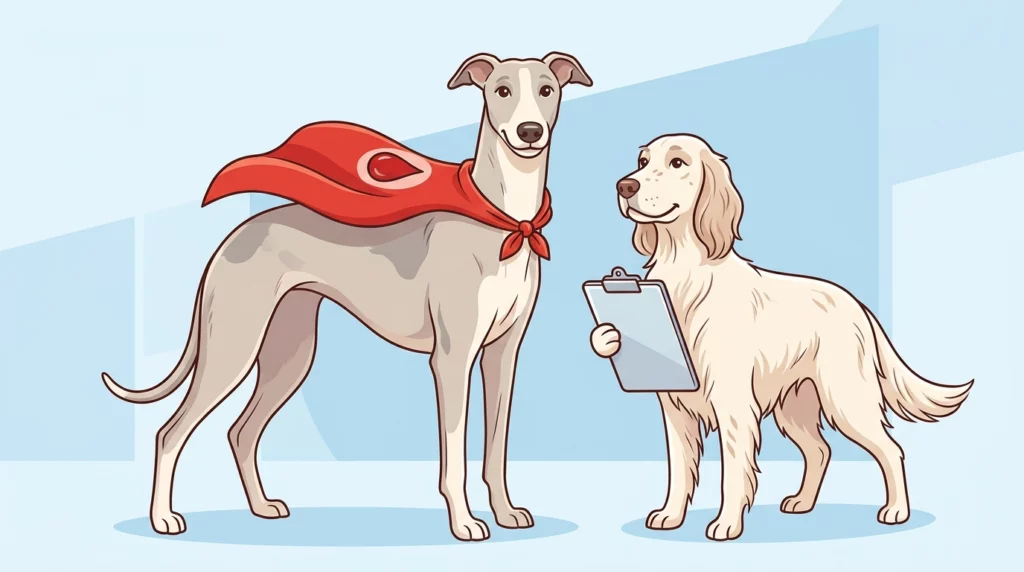
Hello, discerning readers. Niki here—the English Setter in charge of keeping things elegant, accurate, and up to paw-level standards around here. While my high-energy brother Blu is currently occupied with barking at a highly suspicious cardboard box, and Pisino the cat is quietly judging us both from the mantelpiece, I have taken it upon myself to tackle a topic of supreme veterinary importance: canine blood donation.
It might surprise you to learn that dogs, just like humans, need blood transfusions. Whether due to sudden trauma, complex surgeries, immune-mediated diseases, or severe toxicities, access to safe, typed blood is a literal lifesaver in emergency veterinary medicine. Yet, animal blood banks face constant shortages. If you have a healthy, large dog, they could be the local superhero another family is desperately praying for.
Let’s dive into the fascinating science, rigorous standards, and comforting realities of canine blood donation. I promise to keep the facts precise and the research impeccable.
The Science: Dog Blood Types Explained
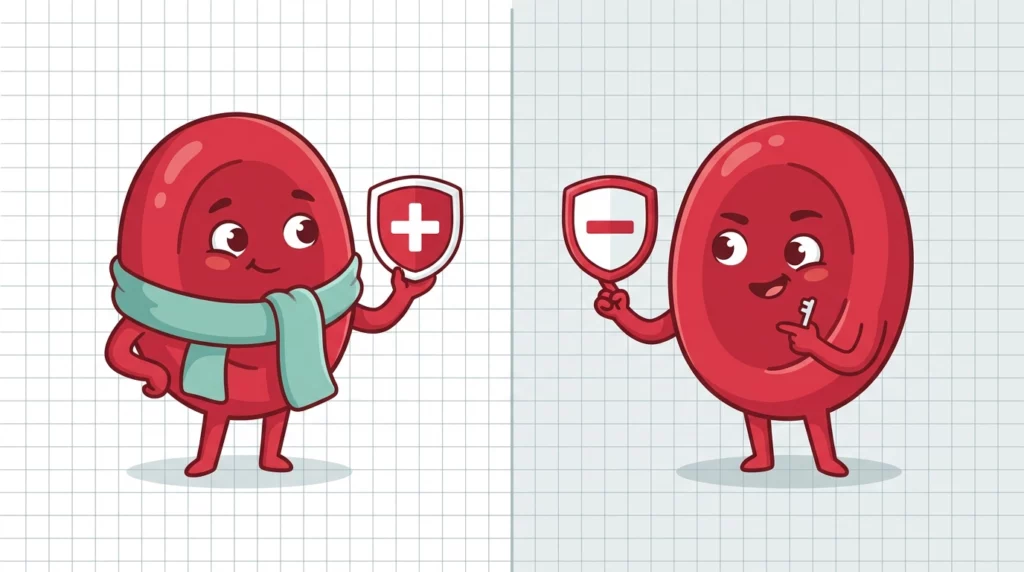
Before a dog can donate, we have to understand the chemistry. Dogs do not have the simple A, B, and O types that humans do. Instead, we have our own complex classification called the Dog Erythrocyte Antigen (DEA) system.
According to the MSD Veterinary Manual, there are more than a dozen recognized canine blood group systems, but the most clinically significant one is DEA 1. Dogs can be either DEA 1 positive or DEA 1 negative.
- DEA 1 Negative: This is considered the “universal donor” type. Because it lacks the DEA 1 antigen, this blood can safely be given to almost any dog in an acute emergency.
- DEA 1 Positive: This blood type can only be safely given to other DEA 1 positive dogs.
An interesting piece of canine trivia: a dog’s first transfusion is generally safer than subsequent ones because dogs do not possess naturally occurring antibodies against other blood types in high enough quantities to cause an immediate, catastrophic reaction. However, as noted in a study on PubMed/NIH, once a DEA 1 negative dog is exposed to DEA 1 positive blood, their immune system becomes sensitized. Any subsequent transfusion with mismatched blood can lead to a severe, life-threatening transfusion reaction. This is why precise typing and screening are absolutely non-negotiable in modern veterinary practice.
The Elite Club: Who Can Donate?
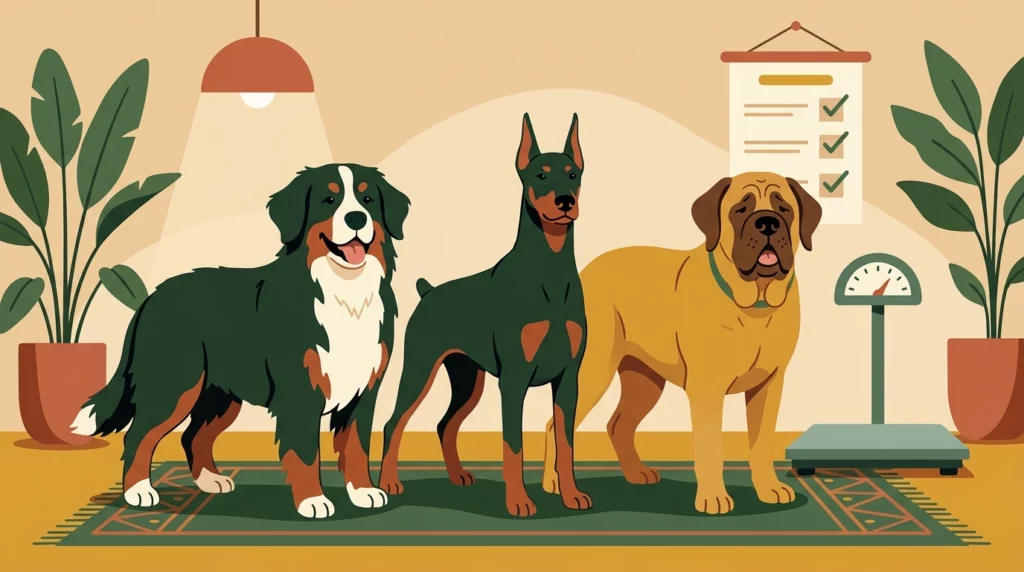
To keep the blood supply safe, animal hospitals maintain incredibly high standards for their donors. As a discerning setter, I highly approve of this selectivity. While I personally would pass the health screenings with flying colors, my size puts me right on the borderline.
According to clinical guidelines on Veterian Key’s donor selection, the basic prerequisites for a canine blood donor typically include:
- Size Matters: Donors must be large enough to safely donate a full unit of blood (about 450 ml) without experiencing adverse side effects. The Purdue University Veterinary Hospital Blood Donor Program requires donors to weigh at least 50 pounds (approx. 23 kg) of lean body weight.
- Age Limits: Donors are generally between 1 and 6 to 8 years of age. For example, the SLU University Animal Hospital accepts donors starting at 1 year old up to their 7th birthday.
- Perfect Health: Dogs must be fully vaccinated, on routine heartworm and flea/tick preventatives, and free of any infectious diseases.
- No Prior Transfusions: To avoid immune sensitization, a canine donor must never have received a blood transfusion themselves, as outlined by the Veterinary Information Network (VIN).
- Temperament: This is crucial. A blood donor dog must be calm, friendly, and cooperative. If a dog requires heavy sedation or finds the vet clinic terrifying, they are not a good candidate. The process should always be a positive experience for the dog!
What Happens on Donation Day?

If your dog meets the criteria, you might wonder what a typical donation session looks like. Thankfully, it is a remarkably gentle and rewarding process. The experts at Pet Blood Bank UK outline the typical visit step-by-step:
1. The Health Screening
Before any blood is drawn, the veterinary team performs a thorough physical exam. They will check your dog’s temperature, heart rate, and run a quick blood test to ensure their red blood cell count (packed cell volume) is perfectly healthy before donating.
2. The Set-Up
Your dog will be invited to lie down comfortably on a padded table, usually on their side. To ensure sterile conditions, a small patch of fur is gently shaved on their neck over the jugular vein. Don’t worry—the fur grows back, and it’s a small fashion sacrifice for a noble cause.
3. The Donation
Using a sterile collection kit, the vet will draw the blood. The actual draw is incredibly fast, typically taking only 5 to 10 minutes. Throughout the process, veterinary technicians will cuddle your pup, whisper sweet nothings, and feed them delicious treats to keep them happy and distracted.
4. Post-Donation Pampering
Once the donation is complete, your dog will receive a high-value snack (think delicious wet food or special treats) and plenty of fresh water. At the University of Florida (UF) Blood Bank, donors are carefully monitored post-draw to ensure they leave feeling just as bright and bouncy as when they arrived.
The VIP Perks (Besides Saving Lives)

While the warm glow of altruism is wonderful, blood banks like to spoil their heroes. Depending on the veterinary program, being a canine blood donor often comes with highly practical perks that appeal to my logical mind:
- Free Health Care Screenings: Programs like the UF Blood Bank provide free annual blood work, including complete blood counts, chemistry profiles, and infectious disease screenings. This is an incredible veterinary value that keeps you ahead of any potential health issues.
- Free Blood Products: Many programs guarantee that if your dog ever needs a blood transfusion in the future, it will be provided free of charge.
- The Swag and Treats: From customized bandanas declaring their “Hero” status to bags of premium treats and toys, your dog will walk out of the clinic feeling like the absolute royalty they are.
Could Your Pup Step Up?
If you have a friendly, large dog who loves visiting the vet and getting spoiled with treats, I highly encourage you to reach out to your local university veterinary hospital or emergency clinic to ask about their blood donor programs.
It is a simple, safe way to pay it forward. After all, us dogs have to look out for one another. While I will continue to keep the SnoutScoop content operating at peak intellectual performance, your big, brave pup could be out there saving a life. Now, if you’ll excuse me, I must go explain to Blu why he cannot donate blood to the cardboard box he is still aggressively growling at.