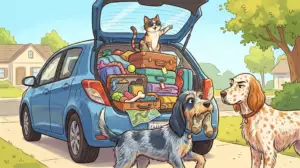
Every dog is different

Breed, age and past experiences offer clues, but getting to know a dog takes observation. Reflect on preferences, household fit and individual needs without reducing a companion to a stereotype.

Training mode

Every dog is different

0 / 20 answered

  1. 1. An adolescent dog becomes more interested in exploring. What should you consider?

    An adolescent dog becomes more interested in exploring. What should you consider?
  2. 2. Does a reputation for being a family-friendly breed remove the need for adult supervision with children?

    Does a reputation for being a family-friendly breed remove the need for adult supervision with children?
  3. 3. Instead of calling a dog 'difficult', what observation is more useful when seeking help?
    Instead of calling a dog 'difficult', what observation is more useful when seeking help?

  4. 4. What is a useful role for breed information when choosing a dog?

    What is a useful role for breed information when choosing a dog?
  5. 5. A dog thrives in one household. Does that prove it will suit every household?

    A dog thrives in one household. Does that prove it will suit every household?
  6. 6. You love a dog's appearance. What else should you research before choosing it?

    You love a dog's appearance. What else should you research before choosing it?
  7. 7. Two dogs belong to the same breed. What can you safely assume about their personalities?

    Two dogs belong to the same breed. What can you safely assume about their personalities?
  8. 8. An adolescent dog struggles in highly exciting situations. Which response is constructive?

    An adolescent dog struggles in highly exciting situations. Which response is constructive?
  9. 9. An older dog wants more space than it used to. What is worth considering?

    An older dog wants more space than it used to. What is worth considering?
  10. 10. Two dogs respond differently to the same toy during training. What may explain this?

    Two dogs respond differently to the same toy during training. What may explain this?
  11. 11. Must every dog enjoy lots of contact with unfamiliar dogs?

    Must every dog enjoy lots of contact with unfamiliar dogs?
  12. 12. One dog loves searching games while another prefers a toy game. What is sensible?

    One dog loves searching games while another prefers a toy game. What is sensible?
  13. 13. A dog prefers a quiet home with few visitors. What should guide your choice?

    A dog prefers a quiet home with few visitors. What should guide your choice?
  14. 14. Your dog learns an exercise more slowly than a friend's dog. What is reasonable?

    Your dog learns an exercise more slowly than a friend's dog. What is reasonable?
  15. 15. When adopting, what can help you understand a dog's individual needs?

    When adopting, what can help you understand a dog's individual needs?
  16. 16. What helps assess whether a particular dog suits a family?

    What helps assess whether a particular dog suits a family?
  17. 17. A normally sociable dog suddenly avoids contact. What is an appropriate first step?

    A normally sociable dog suddenly avoids contact. What is an appropriate first step?
  18. 18. Does respecting individuality mean basic welfare needs are optional?

    Does respecting individuality mean basic welfare needs are optional?
  19. 19. Two dogs seek different amounts of human contact. What should you do?

    Two dogs seek different amounts of human contact. What should you do?
  20. 20. Can past experiences influence what a dog likes or avoids?

    Can past experiences influence what a dog likes or avoids?
Questions covered in this exam
  1. Two dogs belong to the same breed. What can you safely assume about their personalities?
  2. What is a useful role for breed information when choosing a dog?
  3. What helps assess whether a particular dog suits a family?
  4. A dog prefers a quiet home with few visitors. What should guide your choice?
  5. Does a reputation for being a family-friendly breed remove the need for adult supervision with children?
  6. When adopting, what can help you understand a dog's individual needs?
  7. One dog loves searching games while another prefers a toy game. What is sensible?
  8. Must every dog enjoy lots of contact with unfamiliar dogs?
  9. Two dogs seek different amounts of human contact. What should you do?
  10. Can past experiences influence what a dog likes or avoids?
  11. An adolescent dog becomes more interested in exploring. What should you consider?
  12. An adolescent dog struggles in highly exciting situations. Which response is constructive?
  13. An older dog wants more space than it used to. What is worth considering?
  14. A normally sociable dog suddenly avoids contact. What is an appropriate first step?
  15. Two dogs respond differently to the same toy during training. What may explain this?
  16. Your dog learns an exercise more slowly than a friend's dog. What is reasonable?
  17. You love a dog's appearance. What else should you research before choosing it?
  18. Does respecting individuality mean basic welfare needs are optional?
  19. A dog thrives in one household. Does that prove it will suit every household?
  20. Instead of calling a dog 'difficult', what observation is more useful when seeking help?
Further reading

SnoutScoop Newsletter

A little more dog in your inbox

Stories, discoveries and things to learn about dogs. Get news from SnoutScoop in your preferred language.