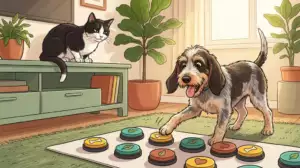
Hello, fellow adventurers! Yuna here. Yes, the cat. I know what you’re thinking: “Yuna, why are you writing a blog post about dogs on SnoutScoop? Shouldn’t you be busy knocking pens off desks or chasing that suspicious red laser dot?”
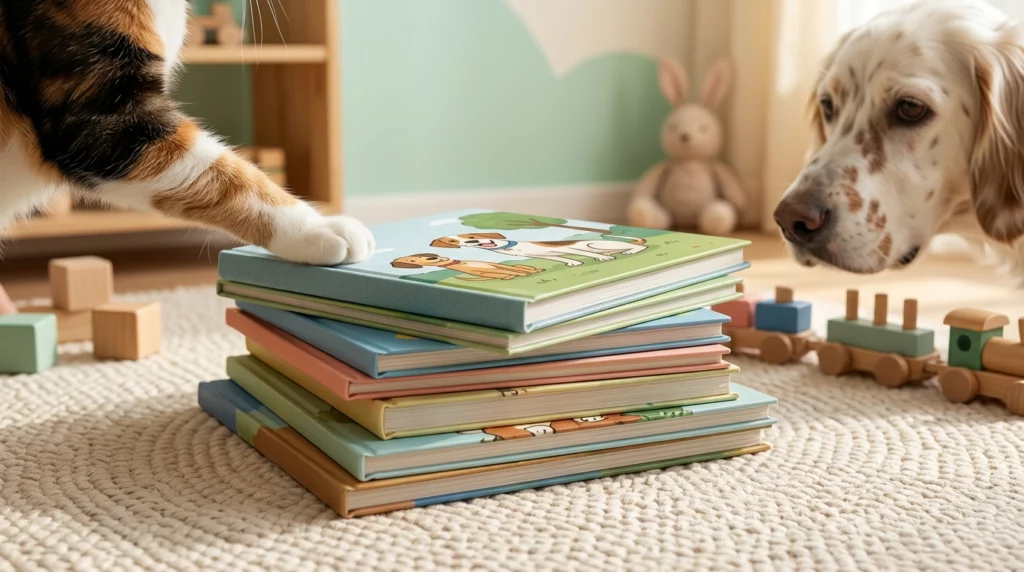
Well, yes, those are critical parts of my daily schedule. But today, I had a literary heist to pull off. I scaled the absolute highest bookshelf in the living room—partly because it was there, and partly because I discovered a secret treasure trove of colorful books. It turns out the humans have been using these paper-piles to teach the “tiny humans” (kids) how to interact with dogs.
As a cat who shares a home with a very high-energy Griffon Bleu de Gascogne named Blu and an incredibly polite English Setter named Niki, I have a vested interest in kids learning how to treat canines. If the tiny humans learn how to read dog body language and respect boundaries, everyone is safer, happier, and much less likely to step on my tail during a chaotic game of fetch.
So, I pushed a few books off the shelf (for testing purposes, obviously) and curated this list of the absolute best children’s books that teach real dog care, safety, and mutual respect.

The Golden Rule: It’s More Than “Don’t Squeeze Too Hard”
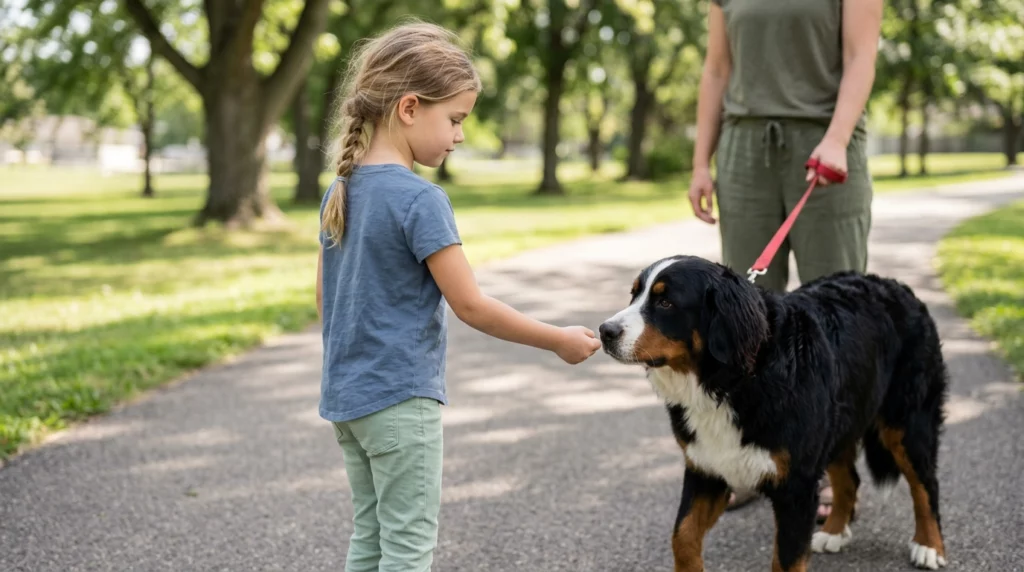
Many well-meaning parents tell their kids to “be gentle,” but kids don’t always know what “gentle” actually looks like to a dog. According to child-dog safety advocates like Colleen Pelar, successful multi-species households rely on teaching kids empathy, consent, and how to recognize when a dog is asking for space.
Dogs are incredibly expressive, but they don’t speak human. They speak tail-wags, ear-shifts, and yawns. If kids can learn to read these subtle signs early, we can prevent misunderstandings and build beautiful, lifelong friendships. Here are the top books currently ruling my high-shelf library.
—
1. For Deciphering the Canine Code: Doggie Language by Lili Chin
- Best For: Visual learners of all ages (including parents!).
- The Concept: A beautifully illustrated guide showing the subtle nuances of dog behavior.
Yuna’s Take: If I could make every human read one book, it would be this one (right after my self-published pamphlet, Treats: Why More is Better). Lili Chin is a legendary artist who understands that a wagging tail doesn’t always mean a happy dog.
Through simple, charming drawings, Doggie Language teaches kids how to spot signs of stress, like “whale eye” (when you can see the whites of the dog’s eyes), lip licking, or a stiff body posture. As noted in reviews by Leash & Learn NYC, this book is an indispensable tool for helping children realize that dogs have feelings and boundaries just like we do. It makes reading dog body language feel like learning a cool secret code.
—
2. For the Art of the Approach: May I Pet Your Dog? by Stephanie Calmenson
- Best For: Toddlers and early elementary-aged children.
- The Concept: A guided lesson on how to safely meet and ask for permission to pet a dog.
Yuna’s Take: As an adventurer, I appreciate a good safety protocol. This book stars a very polite dachshund named Harry who walks kids through the exact steps of meeting a new dog.
The book emphasizes the golden rule of public dog interactions: always ask the owner first. It teaches kids to let the dog sniff their closed hand before petting, and to avoid running up screaming (which, honestly, scares me just as much as it scares Blu). According to resources on So Much Pet Potential, this interactive style of reading helps kids practice real-world scenarios in a safe environment, ensuring they don’t startle unfamiliar pets.

—
3. For Hands-On Training: Puppy Training for Kids by Colleen Pelar
- Best For: Older kids (8-12) who want to be active helpers.
- The Concept: A practical, kid-friendly guide to raising, grooming, and training a new puppy.
Yuna’s Take: Dogs require a lot of maintenance. They don’t even groom themselves (highly inefficient, if you ask me). If your family is bringing home a new puppy, this book is your survival manual.
Colleen Pelar is an expert in kid-dog dynamics, and this book makes chores feel like exciting missions. It explains how to teach basic commands using positive reinforcement, how to handle crate training, and how to safely play with a high-energy pup. Reviews on AFM Dog highlight how Pelar’s approach builds immense confidence in children, turning them into active, responsible pet guardians rather than passive observers.
—
4. For Empathy and Rescue Love: Can I Be Your Dog? by Troy Cummings
- Best For: Heartwarming storytime and teaching empathy.
- The Concept: A lonely shelter dog writes letters to the residents of a neighborhood, searching for a forever home.
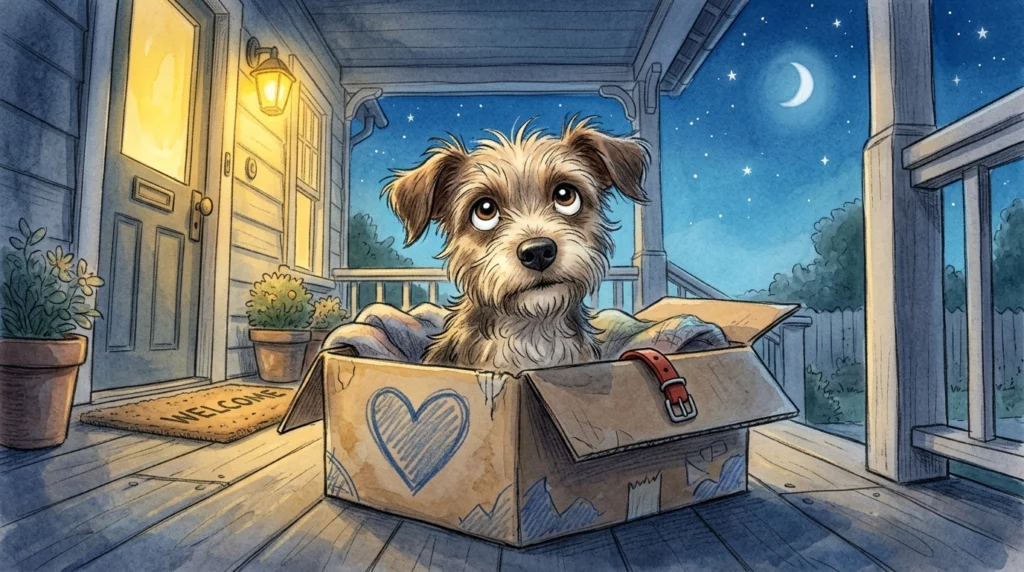
Yuna’s Take: Prepare for your human eyes to leak a little bit. This story is told through the letters written by Arfy, a rescue dog who just wants a yard, a family, and someone to feed him.
While it is a fictional picture book, it teaches a profound lesson about what shelter animals need: safety, love, consistency, and a family that won’t give up on them. Highly recommended by animal welfare groups like The National Humane Education Society (NHES), Arfy’s story is a beautiful conversation starter for families discussing pet rescue, adoption, and the responsibility of giving a pet a lifetime commitment.
—
Yuna’s Cheat Sheet: Turn Storytime Into Real-Life Habits
Reading is great, but as a cat of action, I believe in practical execution. Here is my quick cheat sheet to help parents translate these book lessons into daily household rules:
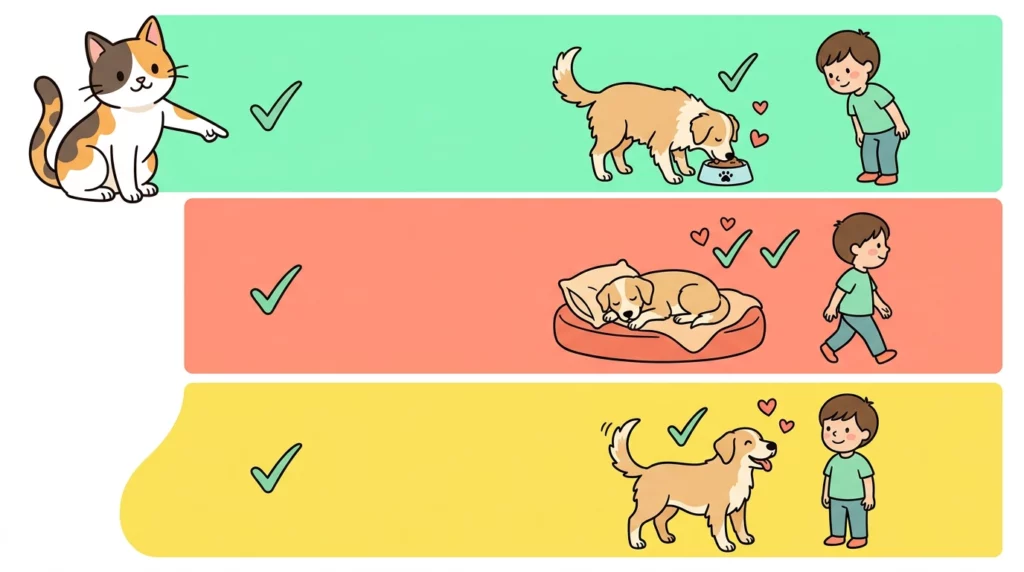
- The 3-Second Consent Test: When petting a dog, teach your child to pet for three seconds, then stop and pull their hand back. If the dog nudges them or moves closer, they have consent to keep petting! If the dog looks away or walks off, the dog is saying, “Thanks, but I’m done.”
- Create a “Do Not Disturb” Zone: Just like I have my secret high shelf, dogs need a safe space. Establish a rule that when the dog is on their bed, in their crate, or eating, the tiny humans must leave them completely alone.
- Make Chores a Team Sport: Kids can measure kibble, help wash dog bowls, or hide treats around the living room for a fun scent-work game. This builds a bond based on cooperation and mental enrichment.
Happy Reading, Happy Wags!
By investing a little time in reading together, you aren’t just teaching your child how to care for a pet—you are raising a kinder, more empathetic human who respects all living things. And that makes the world a much better place for dogs, humans, and adventurous cats like me.
Now, if you’ll excuse me, I hear the rustle of a treat bag downstairs, and I must descend from my literary tower to investigate. Let me know in the comments below: what books have helped your children bond with your family pets?