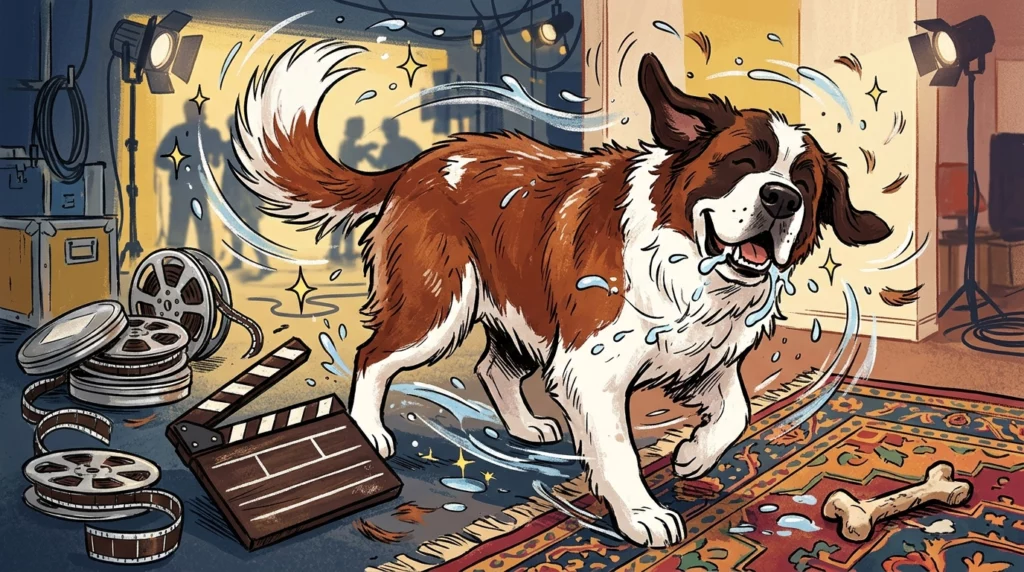
Hi friends! Blu here—your favorite 2-year-old Griffon Bleu de Gascogne rescue with high energy, big ears, and an even bigger heart! If there’s one thing I appreciate more than a high-speed game of chase or a stolen snack off the counter, it’s a dog who knows how to absolutely run the household. And nobody ran a household quite like Beethoven, the iconic 1990s movie star who turned messy fur, epic shake-offs, and giant slobber streams into pure cinematic magic.
Growing up as a dog, you hear legendary tales around the water bowl. But Beethoven wasn’t just a movie character; he was a giant furry institution. How did a massive Saint Bernard capture the hearts of millions, survive movie set antics, and make giant dogs the coolest thing on four legs? Grab your favorite chew toy, pull up a comfy dog bed, and let’s dive into the fascinating secrets of Hollywood’s favorite giant pup!
Who Was the Real Dog Behind Beethoven?
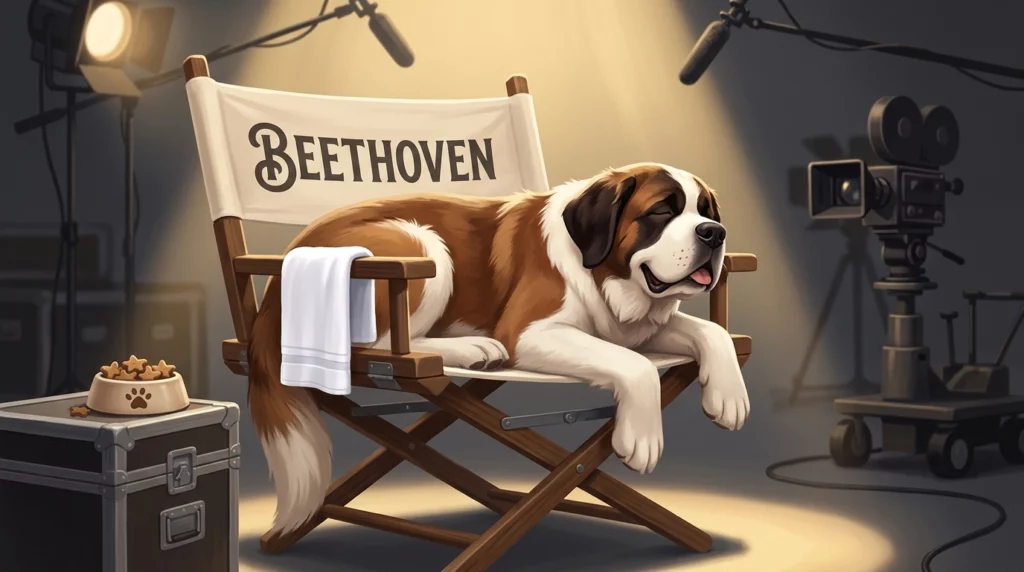
While Beethoven was played by a few canine doubles for specific stunts, the main star who captured everyone’s hearts in the original 1992 film was a wonderful Saint Bernard named Chris. According to Wikipedia’s film history, Chris was owned and trained by legendary Hollywood animal trainer Karl Lewis Miller, the brilliant mind who also gave us movie star dogs in films like K-9 and Babe.
Chris wasn’t just big; he was a natural performer. As recounted in a classic 1992 Los Angeles Times feature, Chris was chosen because he was lazy enough to relax on set, yet motivated enough to do almost anything for a tasty reward. Weighing in at around 180 to 200 pounds, Chris was a true gentle giant. His trainer described him as a fun-loving dog who loved his work—especially when that work meant crashing through mud, leaping on beds, or drooling on human actors who pretended to be annoyed.
Hollywood Magic: How Do You Train a 200-Pound Star?
Now, as a high-energy hound myself, I know that sitting still for three seconds is hard enough. So how did Karl Miller get Chris to pull off all those hilarious onscreen shenanigans?
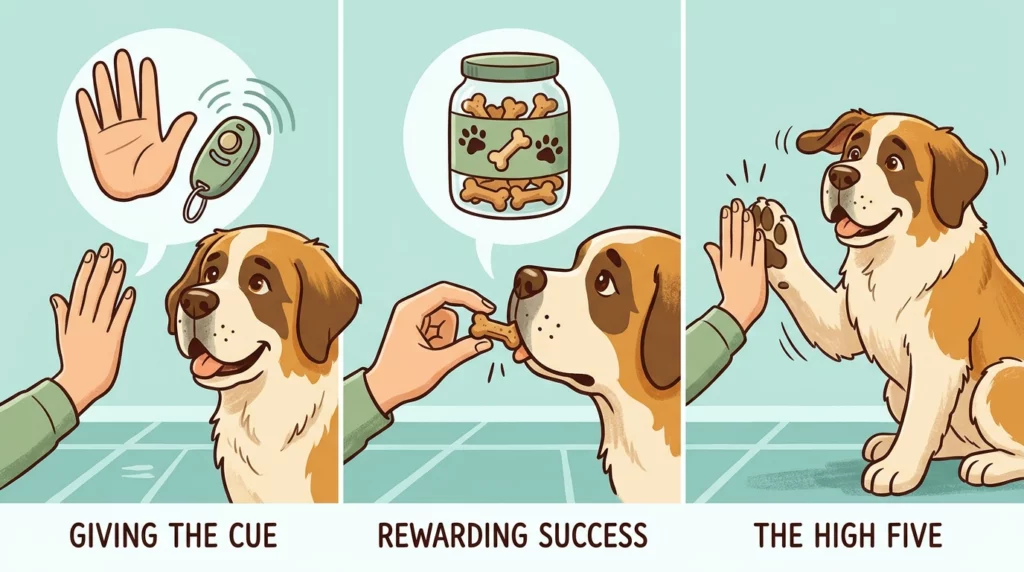
The secret wasn’t magic—it was positive reinforcement, endless patience, and lots of high-value treats! For scenes where Beethoven needed to look intensely at an actor, trainers stood just behind the camera holding hot dogs, steak, or squirts of peanut butter. To make Beethoven seem like a mastermind capable of outsmarting villainous dog-snatchers, the production team relied on clever camera angles, reward-based tricks, and careful coordination.
Safety on set was also a huge deal. The movie was supervised by the American Humane Association, ensuring that all animal actors were treated like royalty. Special lightweight fake mud was used for messy scenes, stunts were kept safe and low-impact, and mechanical props or clever stunt doubles stepped in whenever a scene was too complex or physical for Chris. According to Chien.com’s movie retrospective, multiple double dogs were trained for specific tasks like running or pulling, so Chris never got tired during filming.
Where Did the Saint Bernard Breed Come From?

Watching Beethoven jump onto the Newton family’s bed makes you wonder: where did these massive, loveable fluffballs come from in the first place? They weren’t always movie stars!
According to the American Kennel Club’s history of the Saint Bernard, the breed originated high in the snowy Swiss Alps during the 11th century. Monks at the Great St. Bernard Hospice—a travel lodge located in a treacherous mountain pass—bred these giant dogs to guard the hospice and help locate lost travelers trapped in snowstorms. Over several centuries, these heroic mountain dogs saved over 2,000 human lives!
While real historic Saint Bernards didn’t actually carry little wooden barrels of brandy around their necks (that was a fun myth popularized by painters and storytellers!), they were renowned for their incredible sense of direction, warmth, and gentle protective instincts. As noted by Great Pet Care, those same calm, loyal, and forgiving traits are exactly what made the breed so ideal for playing Beethoven on screen.
Real Life vs. Movie Life: What Living with a Saint Bernard Actually Takes

After Beethoven hit theaters in 1992, pet adoption interest in Saint Bernards skyrocketed. But as much fun as Beethoven was on the silver screen, living with a 180-pound dog in real life requires serious dedication. Veterinarian insights from Dr. Caroline’s breed overview highlight several crucial realities every potential giant-breed owner needs to know:
- The Slobber Factor: Beethoven’s infamous head-shake drool isn’t movie CGI—it’s 100% real! Saint Bernards have loose jowls, meaning slobber flies freely, especially after drinking water or eating.
- Giant Health Needs: Like many giant breeds, Saint Bernards grow rapidly from tiny puppies to massive adults. They are prone to hip dysplasia, elbow issues, and bloat (gastric dilation-volvulus), requiring careful diet management and joint support.
- Heat Sensitivity: With their thick double coats and heavy bodies, Saint Bernards overheat easily. They love cool tiled floors, air conditioning, and shady naps rather than long summer jogs.
- Big Hearts, Gentle Spirits: Despite their immense size, Saint Bernards are famously sweet, patient with kids, and deeply attached to their human families—just like the movie dog who won over George Newton!
The Legacy of a Legendary Pup
Decades after the film’s debut, Beethoven remains one of the most beloved canine pop-culture icons in history. According to the Beethoven Movies fan archive, the original film spawned seven sequels, an animated television series, and endless pop-culture references that still make dog lovers smile today.
For me, Blu, Beethoven represents the best kind of dog energy: a huge heart, endless loyalty to his pack, and an uncanny ability to turn family life into a joyful adventure. Sure, he knocked over lamps and left giant paw prints on clean sheets, but he showed the world how much love a rescue pup (or giant hound) can bring into a home.
So here’s to Chris, Karl Lewis Miller, and the incredible legacy of Beethoven! Now if you’ll excuse me, I hear a snack wrapper opening in the kitchen, and I intend to execute my best Beethoven-style stare until I get a bite!