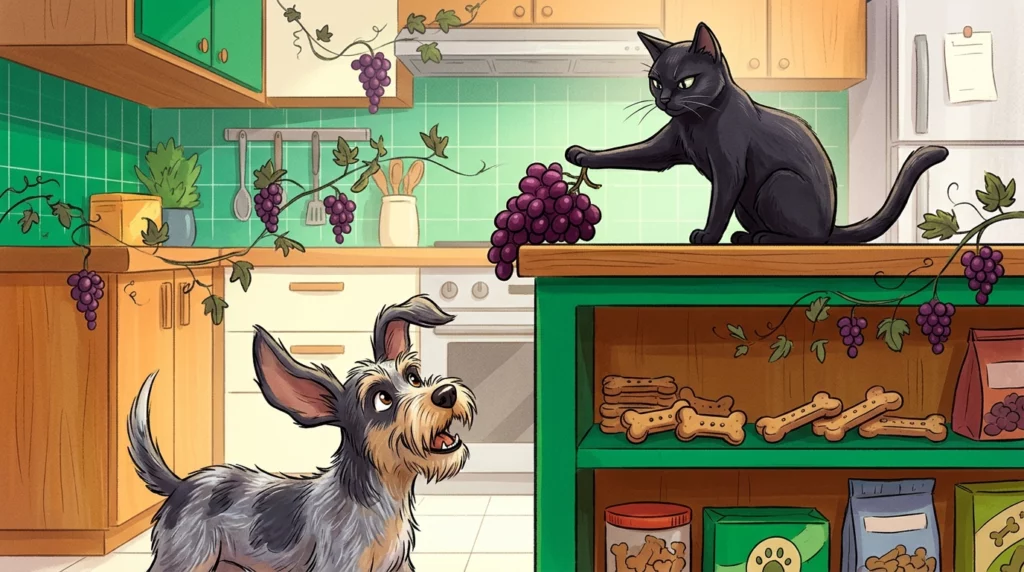
I am Pisino. As the undisputed chief of this pack, my daily responsibilities include perching on high surfaces, maintaining total quiet dignity, and keeping Blu from eating literally everything that touches the kitchen floor. Blu, as you may know, is a two-year-old rescue dog with the energy of a lightning bolt and the self-preservation instinct of a wet turnip. If something drops, his instinct is to inhale it first and ask questions never.
When it comes to sausage crusts or fallen carrots, I simply roll my eyes. But when it comes to grapes, raisins, sultanas, or currants, my feline vigilance turns razor-sharp. For decades, humans knew that feeding grapes to dogs could cause catastrophic health crises, yet nobody could explain why. Fortunately for our canine friends, veterinary science has finally unraveled this mystery—and as the smartest living creature in this house, I feel obligated to explain the science to you.
The Great Grape Mystery: What Vets Knew for Decades
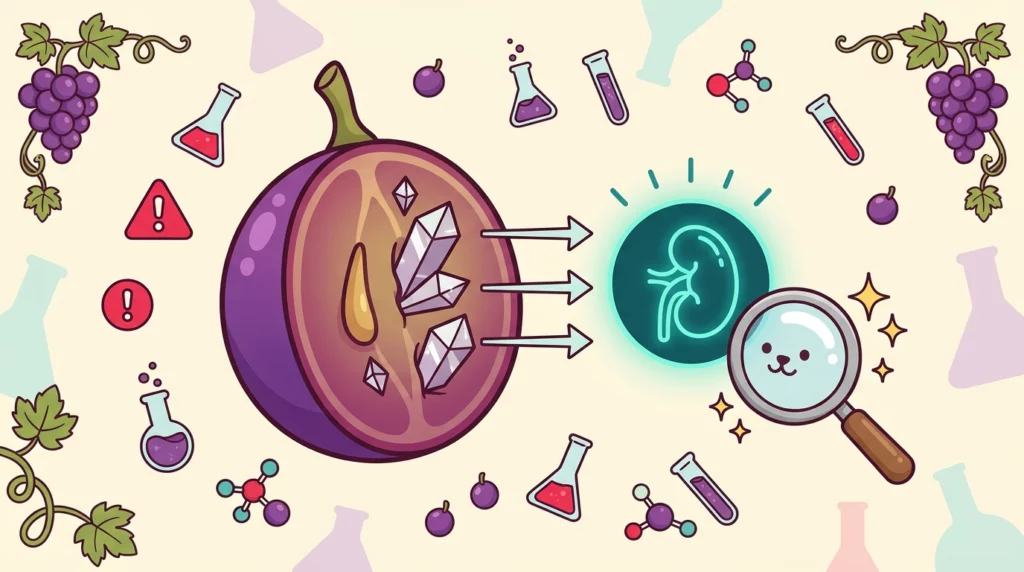
For a long time, grape toxicity was one of toxicology’s most frustrating riddles. Since the early 2000s, animal poison control centers had documented clear cases where dogs developed severe acute kidney injury (AKI) after eating grapes or raisins, as documented in the Wikipedia overview on grape toxicity in dogs. Yet when researchers tested grapes for known toxins—like heavy metals, pesticides, mycotoxins, or high sugar levels—nothing added up.
What made it even more perplexing was the sheer unpredictability of the reaction. One dog might eat a handful of raisins and experience no apparent symptoms, while another dog of similar size might eat two grapes and suffer life-threatening renal failure. Veterinarians knew the hazard was real, but without knowing the exact toxic agent, targeted antidotes and precise risk assessments remained elusive.
The Breakthrough: Tartaric Acid Takes the Blame
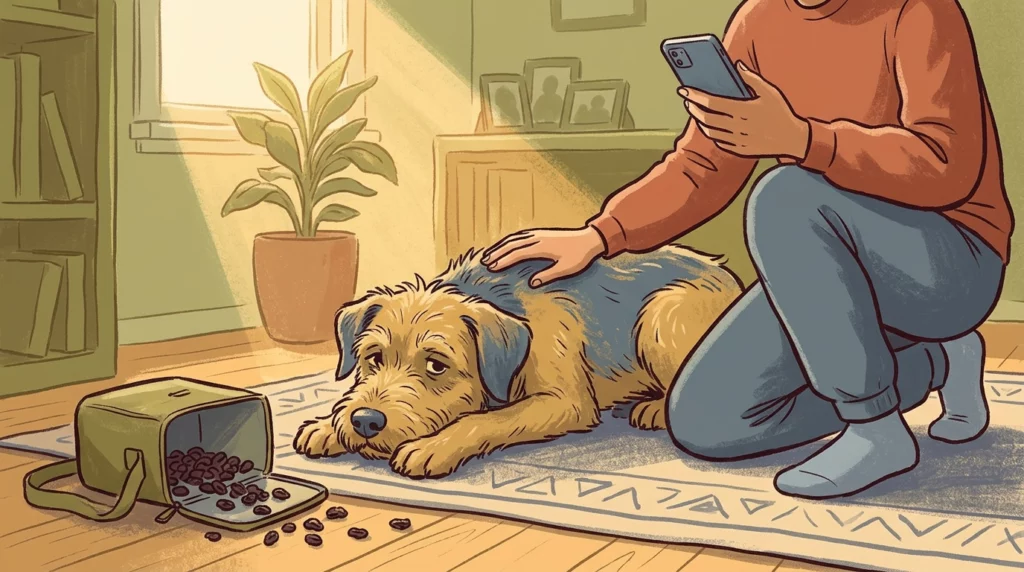
The mystery finally unraveled in 2021. Toxicologists at the ASPCA Animal Poison Control Center (APCC) published groundbreaking observations linking grape toxicity to a specific chemical compound: tartaric acid and its potassium salt, potassium bitartrate (commonly known as cream of tartar).
According to the official ASPCA Pro tox alert on grape toxicity, the eureka moment occurred when a dog developed acute renal failure after ingesting homemade playdough made with cream of tartar. Recognizing that cream of tartar is pure potassium bitartrate, vet toxicologists connected the clinical presentation to grape poisoning. Both scenarios produced identical kidney damage, elevated blood urea nitrogen (BUN), and soaring creatinine levels.
Further research published in veterinary literature, such as the PubMed clinical study on tartaric acid toxicity, confirmed that grapes, raisins, and tamarind naturally contain unusually high concentrations of tartaric acid and potassium bitartrate. While humans and many other mammals readily metabolize and tolerate tartaric acid, dogs are uniquely sensitive to it.
How Tartaric Acid Harms Canine Kidneys
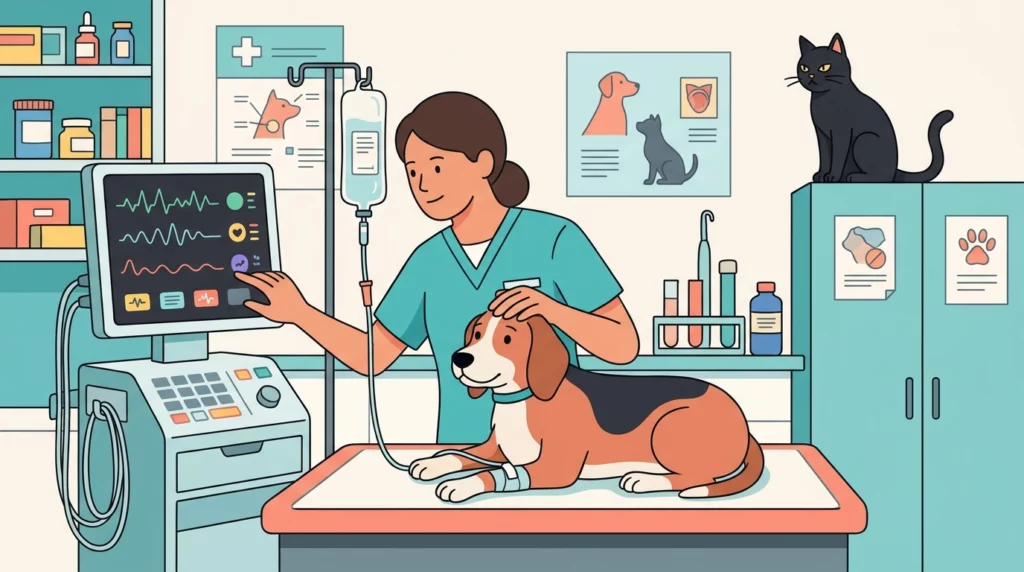
When a dog ingests grapes or raisins, tartaric acid rapidly absorbs into the bloodstream and travels directly to the renal system. As detailed by Canada West Veterinary Specialists, tartaric acid causes acute damage to the proximal renal tubular epithelium—the vital microscopic filtering units inside the kidneys.
When these tubular cells undergo necrosis (cell death), the kidney’s ability to filter metabolic waste from the blood collapses. This leads to acute renal failure, causing fluid imbalances, electrolyte disturbances, and a dangerous accumulation of toxins in the dog’s body. Clinical reviews like the VetPrep summary on canine grape toxicosis highlight that without rapid medical intervention, severe cases can escalate to irreversible kidney damage or death within 24 to 72 hours.
Recognizing the Symptoms of Grape Toxicity
If a dog ingests grapes, raisins, or tamarind, symptoms typically develop in stages over hours and days. The Cornell Riney Canine Health Center lists the primary signs to watch for:
- Early signs (within 2 to 12 hours): Vomiting (often containing partially digested fruit pieces), diarrhea, loss of appetite (anorexia), and notable lethargy or restlessness.
- Intermediate signs (within 12 to 24 hours): Abdominal pain (dogs may hunch their backs or resist having their bellies touched), dehydration, excessive thirst, and weakness.
- Advanced renal failure signs (24 to 48 hours+): Decreased urine production (oliguria) or complete inability to produce urine (anuria). Anuria is a critical medical emergency signaling severe kidney collapse.
Because tartaric acid levels vary depending on the grape variety, ripeness, growing conditions, and processing method (raisins are far more concentrated than fresh grapes), there is no guaranteed “safe dose.” Every ingestion must be treated as a potentially serious emergency.
What to Do in an Emergency
If you suspect Blu—or your own dog—has eaten grapes, raisins, or anything containing cream of tartar, do not adopt a wait-and-see attitude. Immediately contact your veterinarian, an emergency vet clinic, or a specialized animal poison helpline.
As outlined in the MSD Veterinary Manual guide on food hazards, clinical decontamination and management usually involve:
1. Decontamination
If ingestion occurred recently (typically within 2 hours), a veterinarian may safely induce vomiting and administer activated charcoal to bind remaining toxins in the gastrointestinal tract.
2. Aggressive Fluid Therapy
Intravenous (IV) fluid therapy is the cornerstone of treatment. IV fluids promote renal blood flow, flush out toxic metabolites, flush tartaric acid, and prevent severe dehydration. Hospitalization for 48 hours on IV fluids is standard care.
3. Monitoring Kidney Biomarkers
Vets perform serial blood tests to track serum creatinine, blood urea nitrogen (BUN), and electrolyte balances, as well as urinalysis to assess kidney function. Resources like The Voyage AI nephrotoxicosis reference emphasize that catching changes in renal parameters early yields the best prognosis.
The Chief’s Summary: Safety in the Kitchen
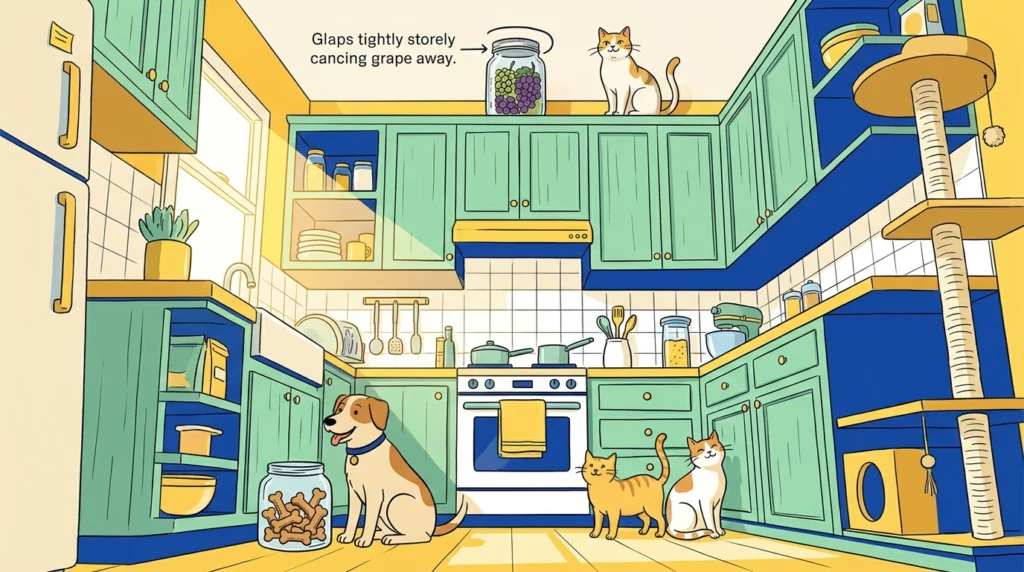
Now that science has unmasked tartaric acid as the villain, protecting our dogs is straightforward. Keep all grapes, raisins, trail mixes, fruitcakes, tamarind pastes, wine-making remnants, and playdough made with cream of tartar well out of reach. If you drop a grape on the floor, move faster than your dog does—or better yet, let a vigilant feline supervise the kitchen.
Blu may give me offended looks when I nudge him away from the kitchen counter, but maintaining order is what a chief does. Stay safe, keep your counters clear, and always consult your vet if your dog samples something suspicious!