Hello, sophisticated human companions and distinguished dog lovers! It is I, Niki, your discerning English Setter guide, stepping away from my intellectual pursuits to lead you on a sensory journey. As an English Setter, my pedigree is deeply intertwined with the art of scent detection. My ancestors were bred to locate game birds with elegant precision, relying on an infallible nose to navigate the English countryside. Today, I want to elevate our understanding beyond the simple sniff-sniff of daily walks. We are diving into the breathtaking science of canine olfaction, exploring how our noses function as organic supercomputers, and examining how these remarkable tools assist humans across the globe.
Let us begin with the biological architecture that makes our noses so superior. The human olfactory system is, quite frankly, rather rudimentary. While an average human possesses roughly 5 to 6 million scent receptors, a dog boasts anywhere from 125 million to 300 million, depending on the breed. Bloodhounds represent the pinnacle with their 300 million receptors, but we English Setters are certainly not far behind. To put this in perspective, our sense of smell is estimated to be between 10,000 and 100,000 times more acute than yours. If you can detect a single teaspoon of sugar in your morning coffee, we can easily detect that same teaspoon of sugar diluted in a million gallons of water (which is roughly the volume of two Olympic-sized swimming pools).
The magic is not just in the numbers; it is in our anatomical design. When we inhale, our nasal passages split the incoming airflow into two distinct pathways. One path goes straight to the lungs for respiration, while the other (containing about 12 percent of the air) enters a specialized chamber packed with olfactory receptors. When we exhale, the air departs through those small slits on the sides of our nostrils. This clever design creates a micro-vortex of air that actually helps draw new scent molecules into our noses, allowing us to maintain a continuous, uninterrupted stream of olfactory data. Furthermore, the portion of our brain dedicated to analyzing these chemical signatures (the olfactory bulb) is proportionally 40 times larger than yours.
We also possess an extra sensory organ that humans completely lack: the vomeronasal organ, or Jacobson’s organ. Located at the bottom of our nasal cavity, this specialized structure detects pheromones, the invisible chemical signals that tell us all about another animal’s emotional state, health, and identity. It is essentially our version of social media, but far more accurate and without the annoying advertisements.
With such unparalleled biological machinery, it is only natural that humans have enlisted our help in crucial societal roles. Let us explore the magnificent ways our sniffing talents are utilized, starting with law enforcement.
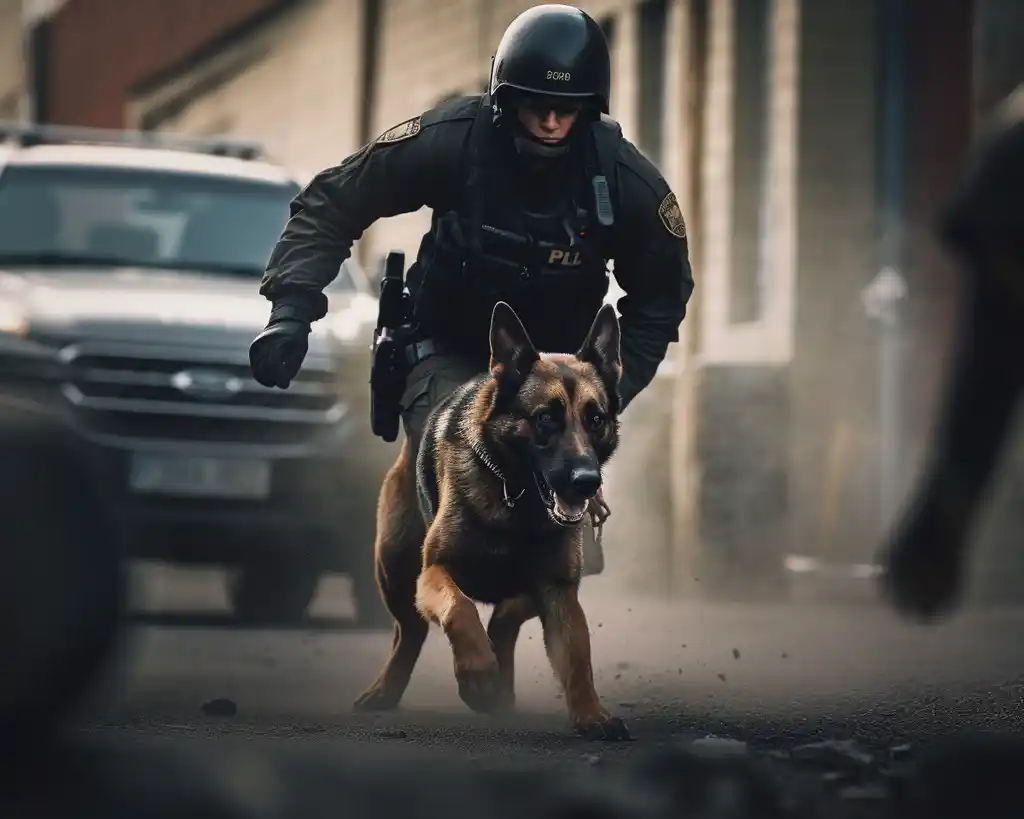
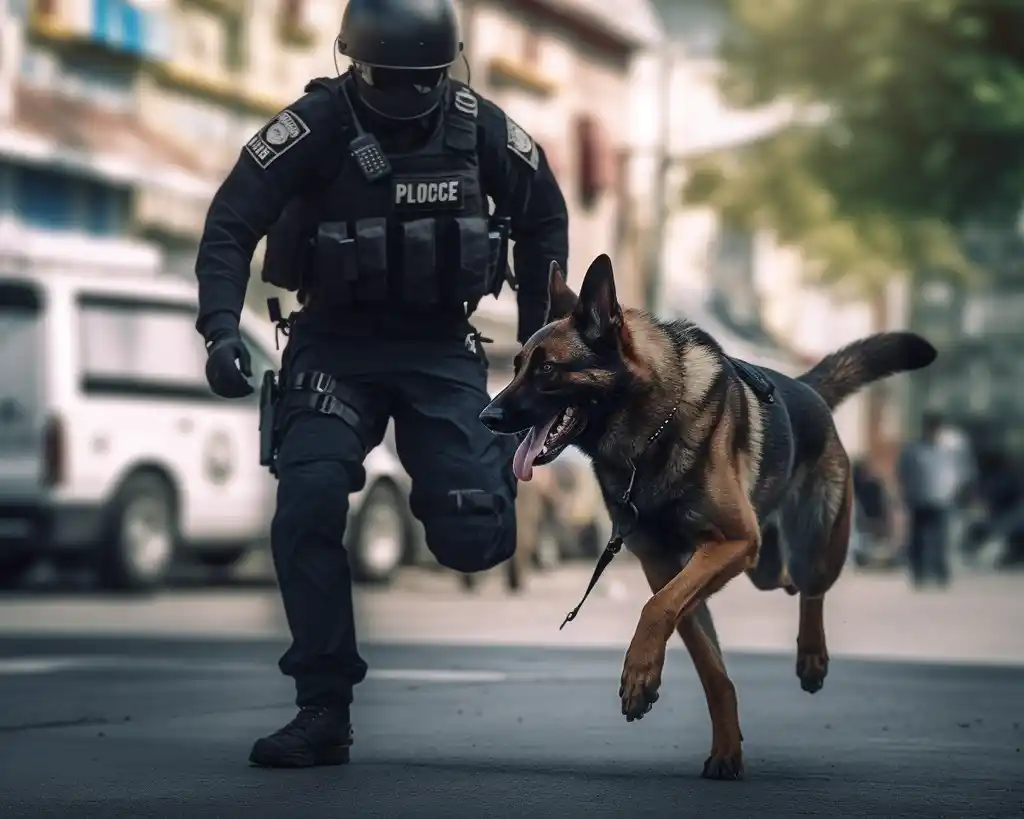
- Law Enforcement K-9 Units: Highly trained police dogs are indispensable members of security forces worldwide. Using their specialized noses, breeds like German Shepherds and Belgian Malinois can pinpoint illegal narcotics, detect explosive materials, locate hidden currency, and track down missing suspects. Their noses can isolate a single specific scent trail even when it is buried under layers of competing odors, making them the ultimate partners in public safety.
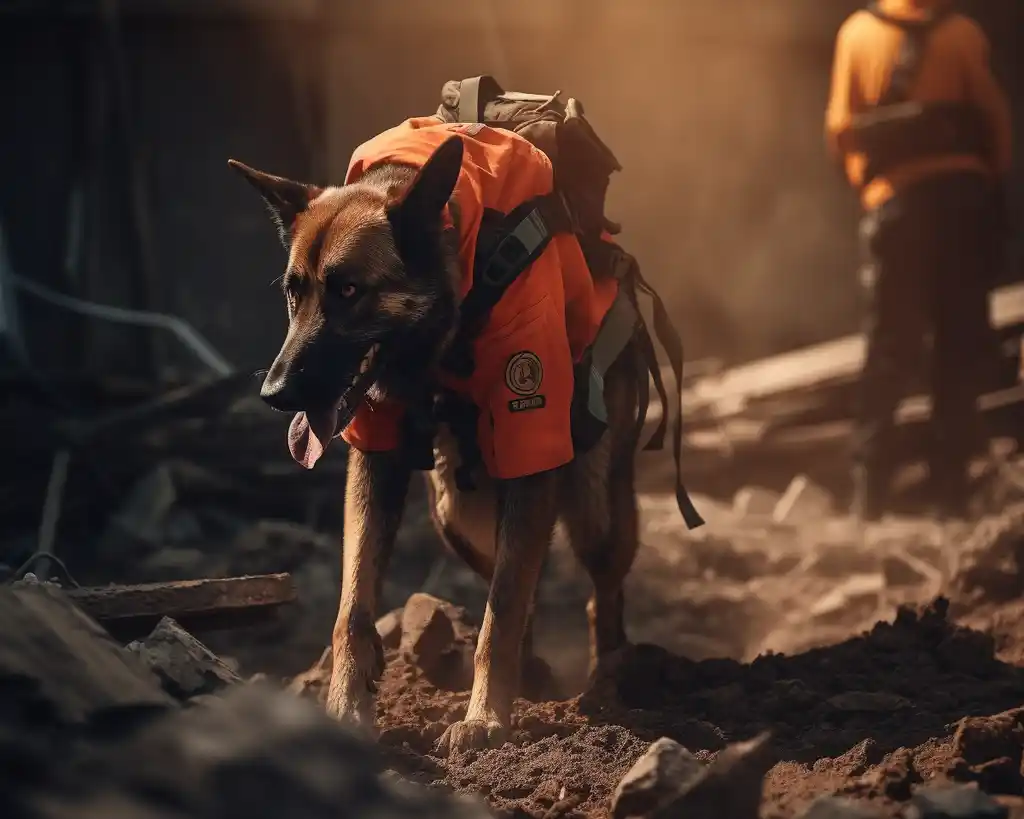
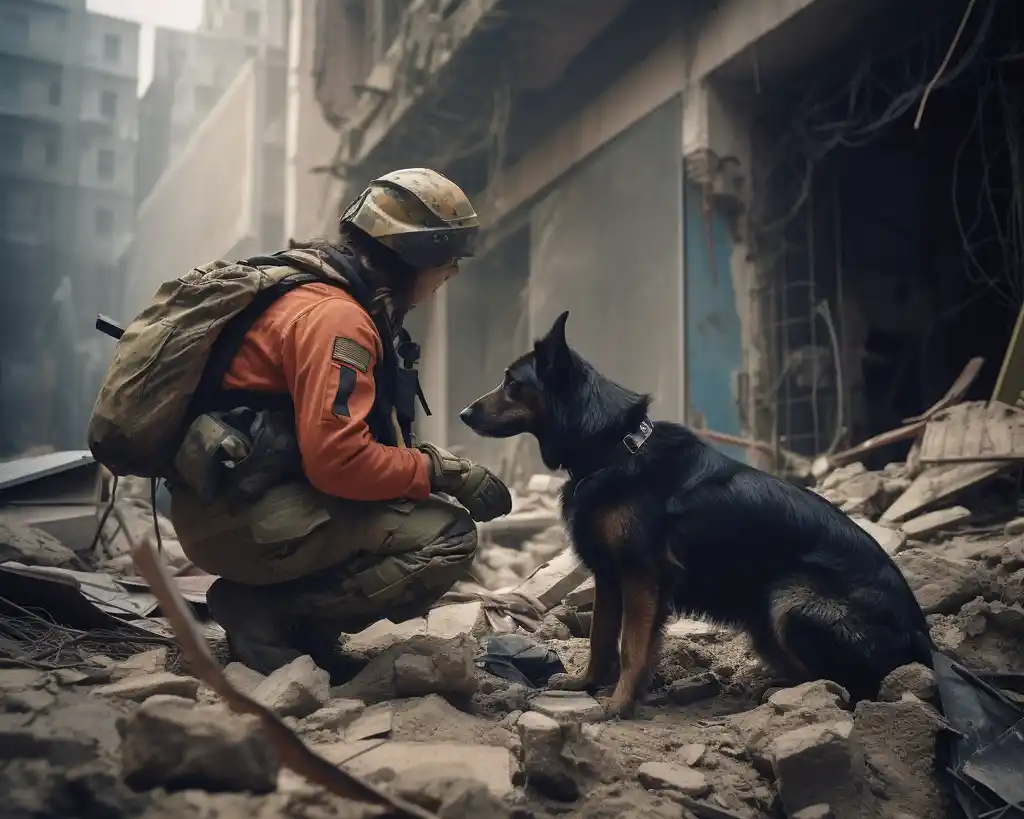
- Search and Rescue (SAR): When natural disasters strike, such as earthquakes, mudslides, or avalanches, time is our greatest enemy. This is where canine search and rescue teams shine. While some dogs are trained to track specific footprints on the ground, others are air-scenting specialists. These dogs lift their heads high to capture microscopic human scent rafts floating in the breeze. A trained SAR dog can locate a survivor buried deep under tons of concrete debris or beneath feet of heavy snow, providing a beacon of hope when human technology fails.
- Medical Detection: This is perhaps one of the most astonishing scientific developments of our time. Canine noses are so incredibly precise that they can detect the microscopic chemical signatures associated with human diseases. Researchers have successfully trained dogs to identify volatile organic compounds (VOCs) linked to various cancers, including lung, prostate, and ovarian cancers, simply by sniffing breath or urine samples. Beyond oncology, medical alert dogs assist individuals with diabetes by sniffing out subtle chemical shifts associated with falling blood sugar levels, and they can even alert owners with epilepsy of an oncoming seizure before any physical symptoms manifest. It is a genuine, life-saving partnership.
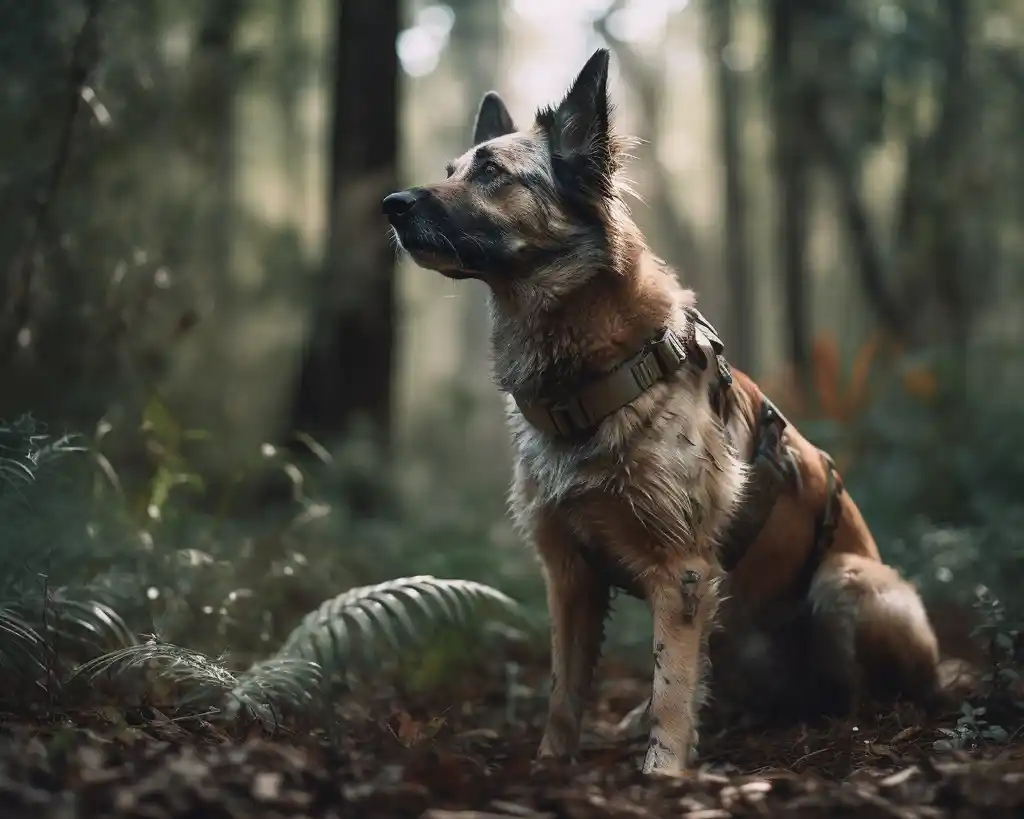
- Conservation and Ecology: Our noses are also playing a crucial role in preserving the environment. Specially trained conservation dogs are deployed to track endangered wildlife species that are otherwise incredibly difficult for humans to spot. By locating animal droppings (professionally known as scat), these dogs help biologists gather vital DNA and dietary data without disturbing the animals. Furthermore, conservation dogs can identify invasive plant species or destructive insects before they decimate fragile local ecosystems, proving that a sniff can save an entire forest.
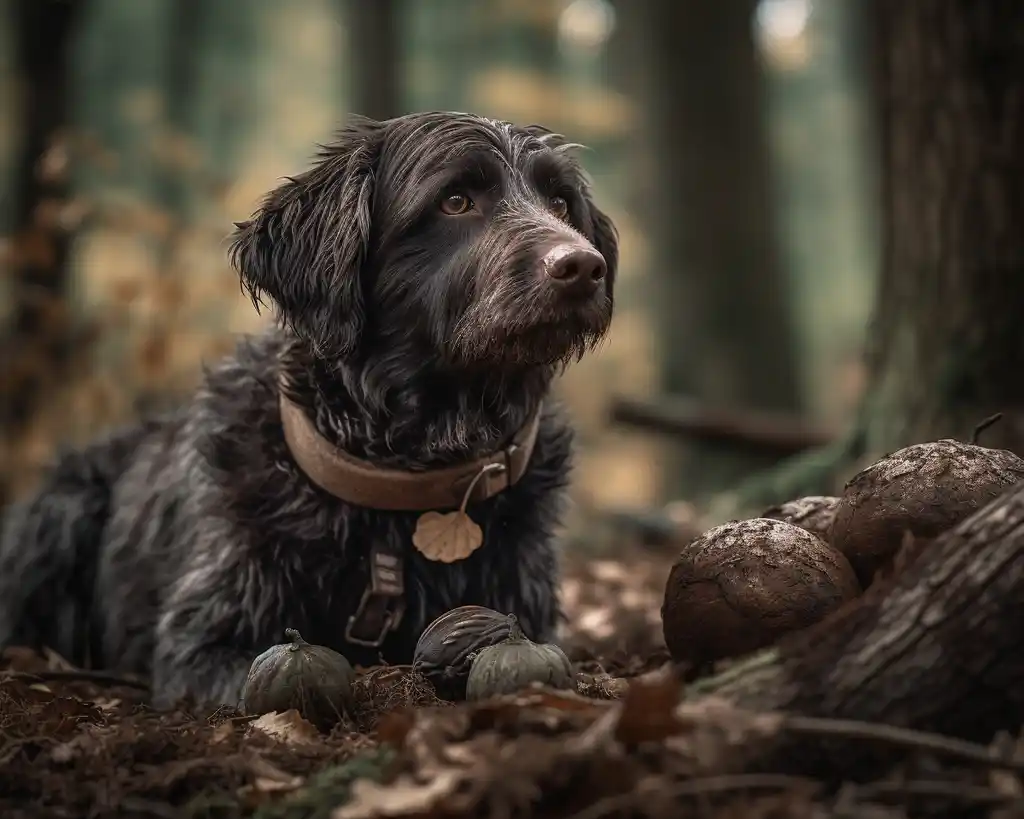
- Truffle Hunting: For a delightful culinary twist, we must mention the legendary truffle hunters of the canine world, particularly the Lagotto Romagnolo. These talented pups are trained to seek out subterranean fungi, known as truffles, which can fetch staggering prices in the culinary market. While pigs were historically used for this task, they had a bad habit of eating the expensive truffles they found. Dogs, being far more cooperative and disciplined, happily point out the locations of these underground treasures in exchange for a tasty dog biscuit.
From locating missing persons and detecting complex medical conditions to preserving delicate ecosystems and finding gourmet ingredients, the canine nose is an absolute masterpiece of evolutionary engineering. The next time you see your own canine companion pausing to sniff a blade of grass, remember that they are not just wasting time: they are reading a deeply detailed, incredibly complex story written in the air. We are incredibly proud to share our sniffing superpowers with our human friends to help make the world a safer, healthier, and more fascinating place, one tiny molecule at a time!
- What Do K-9 Police Dogs Do? https://www.akc.org/expert-advice/dog-breeds/what-do-police-dogs-do/
- The Dangers Faced By Search and Rescue Dogs https://www.petcarerx.com/article/the-dangers-faced-by-search-and-rescue-dogs/4271
- “Conservation Dogs” How they’re helping the environment https://animalwellnessmagazine.com/conservation-dogs-how-theyre-helping-the-environment/
- Hunting for Truffles Is a Perilous Pursuit, Especially for the Dogs Who Dig https://www.nytimes.com/2023/01/14/world/europe/italy-truffles-dogs.html