
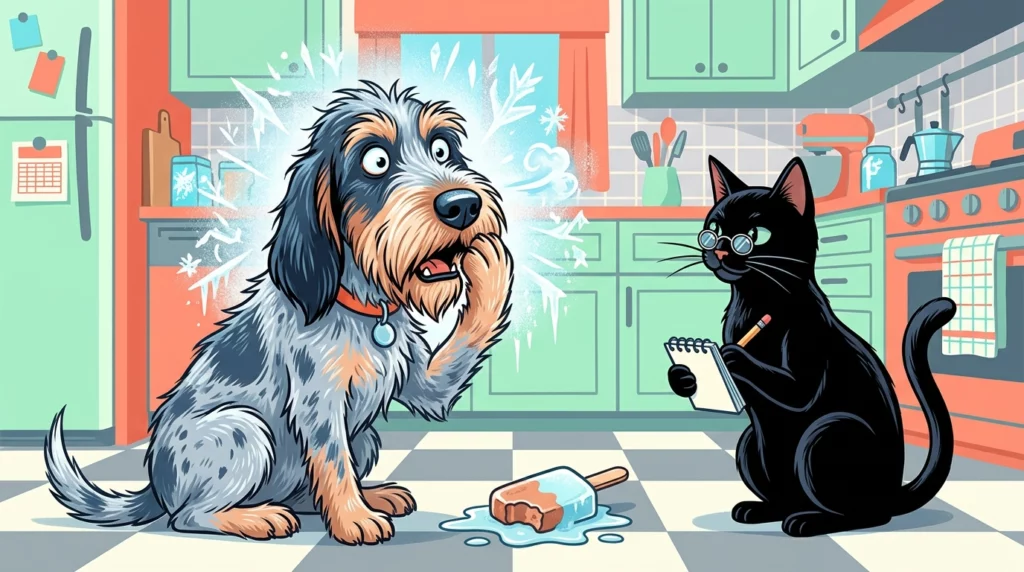
As the undisputed chief of the SnoutScoop household, I, Pisino, spend a great deal of time observing my canine subordinates. My companion Blu, a Griffon Bleu de Gascogne rescue, possesses many admirable qualities: boundless energy, an affectionate heart, and an absolute lack of impulse control. This last trait becomes incredibly obvious during the warmer months when the humans bring out the frozen treats.
While I prefer to savor my meals with the elegance of a high-ranking feline, Blu approaches a frozen treat like a vacuum cleaner with a deadline. He inhales it. And then, inevitably, it happens: he stops mid-chew, his eyes widen in utter confusion, and he paws wildly at his snout as if his own face has betrayed him.
Yes, my friends, Blu has succumbed to the dreaded “ice cream headache.” But can dogs actually get brain freeze the way humans do, or is it just dramatic canine acting? Let us dive into the cold, hard science of dog physiology.
The Science of the Chill: What is Brain Freeze?
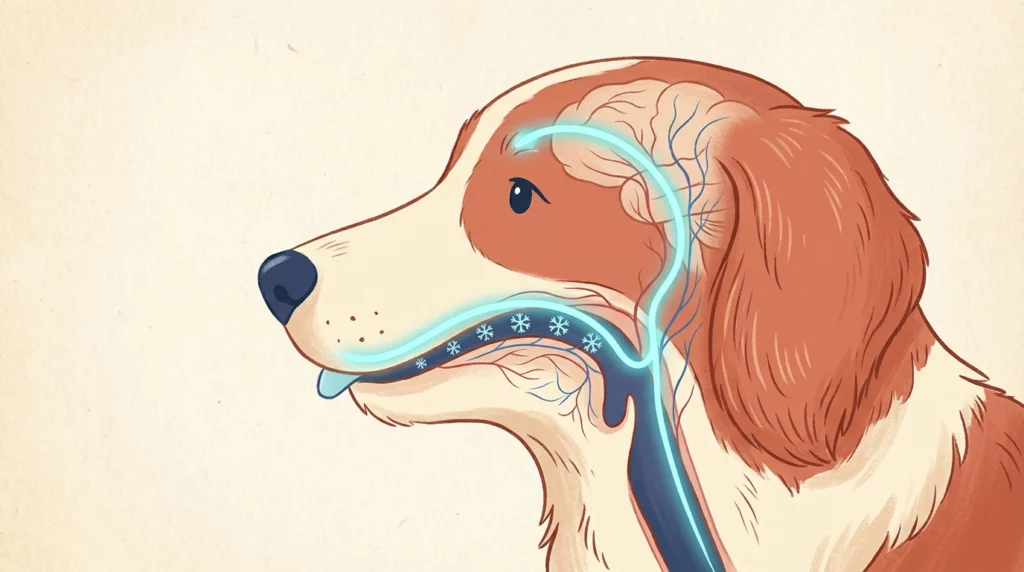
To understand if dogs experience this phenomenon, we must look at anatomy. In the medical world, brain freeze is known by the beautifully complex term sphenopalatine ganglioneuralgia. According to veterinary experts at Great Pet Care, the mechanics of a brain freeze are virtually identical in humans, dogs, and yes, even us cats.
When a dog consumes something incredibly cold very quickly, the temperature in the back of their throat drops rapidly. This sudden chill affects the delicate blood vessels in the roof of the mouth, specifically where the internal carotid artery (which carries blood to the brain) and the sensory nerves meet.
As detailed by Hill’s Pet Nutrition, these blood vessels constrict rapidly to keep the brain warm, and then immediately dilate as warm blood rushes back in. This rapid shrinking and swelling triggers the pain receptors of the trigeminal nerve, which sends a frantic signal to the brain. The brain interprets this signal as pain coming from the forehead or face. Hence, the sudden, sharp headache.
How to Tell If Your Dog Has a Brain Freeze
Unlike humans, dogs cannot point to their foreheads and complain about their poor life choices. However, their body language speaks volumes. If you are treating your pup to a frosty snack, keep an eye out for these classic signs of canine brain freeze:
- The Sudden Freeze: Your dog stops eating entirely and stands perfectly still, looking bewildered.
- Pawing at the Face: They may rub their snout or head with their paws as if trying to wipe the sensation away.
- Squinting or Grimacing: Their eyes may squeeze shut, or they might pull back their lips in a slight grimace.
- Dropping the Treat: If they were holding a frozen toy or block of ice, they might drop it suddenly and look at it with suspicion.
- Vocalizing: Some dramatic dogs (I won’t name names, but Blu is listening) might let out a small whine.
Fortunately, as noted by TryFi, these episodes are incredibly brief. The pain usually passes within a minute or two once the temperature in the mouth stabilizes. However, just because it is temporary doesn’t mean we should let our dogs suffer through it regularly.
Is Brain Freeze Dangerous for Dogs?
A mild brain freeze itself is not inherently dangerous; it is merely a fleeting, uncomfortable sensation. However, the circumstances surrounding how a dog gets a brain freeze can pose real health risks.
1. The Danger of Ice Cream and Human Sweets
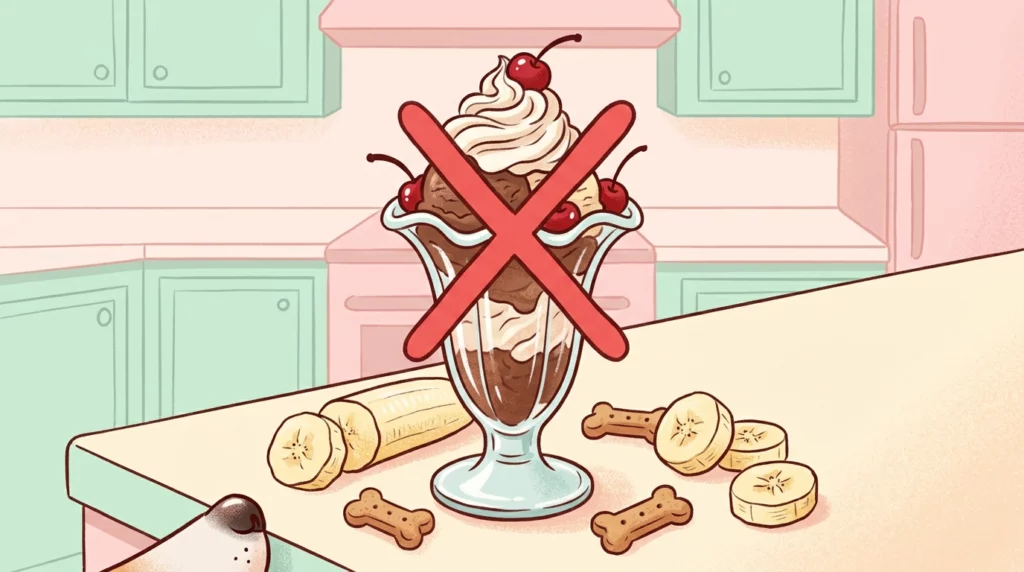
First and foremost, we must talk about the vehicle of the freeze. Traditional human ice cream is not ideal for canine digestive systems. Many dogs are lactose intolerant, and consuming dairy can lead to gas, diarrhea, and vomiting.
Worse yet, some human treats contain ingredients that are highly toxic to dogs. Xylitol (a common sugar substitute), chocolate, macadamia nuts, and certain artificial flavorings can be lethal. Always keep human ice cream out of reach and stick to dog-safe alternatives.
2. Bloat and Gastrointestinal Distress
If a dog gulps down large amounts of ice-cold water or frozen treats too quickly, it can cause stomach cramps. In severe cases, particularly with large, deep-chested breeds, rapid ingestion of food or water can contribute to Gastric Dilatation-Volvulus (GDV), commonly known as bloat. This is a life-threatening medical emergency.
How to Serve Frozen Treats Safely

As a cat, I believe in controlled moderation. If you want to keep your canine companion cool without causing a neurological shockwave, consider these safe serving tips:
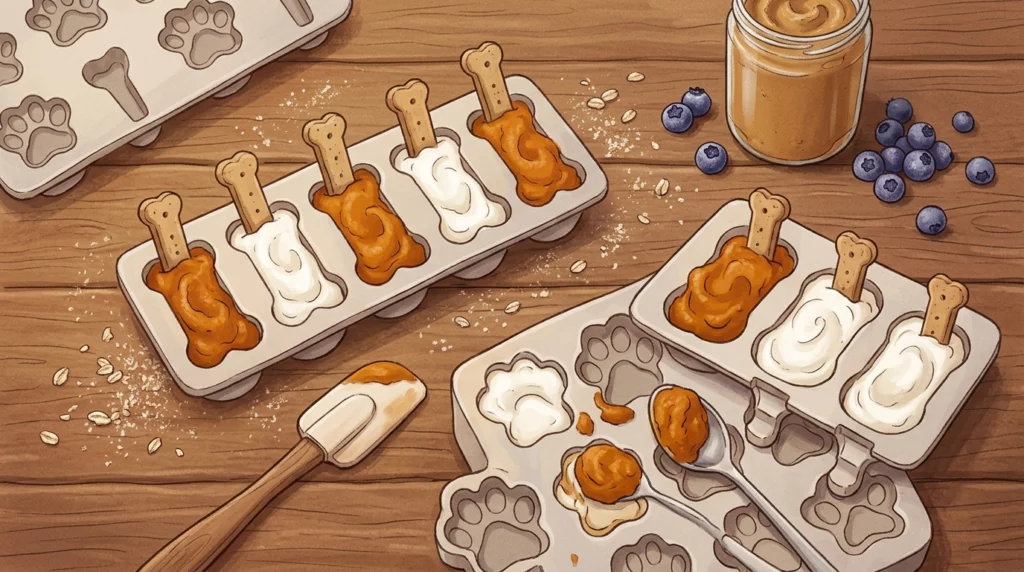
Make “Pupsicles” the Smart Way
Instead of dairy-based ice cream, freeze dog-safe ingredients. You can blend plain, unsweetened Greek yogurt (if your dog tolerates dairy in small amounts) with dog-safe fruits like blueberries or bananas. Alternatively, freeze low-sodium bone broth or water mixed with wet dog food inside a durable rubber toy. This forces them to lick the treat slowly rather than biting off massive chunks.
Slow Down the Ingestion
If your dog is a “guzzler” like Blu, do not give them free rein over a large frozen block. Use slow-feeder bowls, lick mats, or hold the treat in your hand to control how much they can consume at once. Licking is actually a soothing behavior for dogs and helps them cool down more efficiently than biting and swallowing ice.
Let It Thaw Slightly
Before handing a frozen treat to your dog, let it sit on the counter for a few minutes. Allowing the outer layer to soften slightly reduces the thermal shock to the roof of their mouth, keeping the trigeminal nerve perfectly happy.
A Final Word from the Chief
Even we cats are not entirely immune to this phenomenon. Grudgingly, I must admit that PetMD confirms cats can experience brain freeze too if we eat cold wet food too quickly. However, because we possess superior dignity and self-control, it rarely happens to us.
The next time you decide to pamper your dog with a refreshing summer snack, remember to pace them. A slow lick is worth a thousand pain-free brain cells. Keep the treats safe, keep the portions managed, and let us all enjoy the summer without any unexpected brain freezes.