Hello, discerning readers. Niki here. As a five-and-a-half-year-old English Setter, I take pride in many things: my impeccable pointing stance, my high intellectual standards, and, of course, my glorious, feathered coat. Maintaining this level of canine elegance doesn’t happen by accident. It requires a fine balance of genetics, premium nutrition, and—as my humans will gladly tell you—a fair amount of brushing.
But enough about my personal splendor. Today, we must discuss a matter of utmost clinical importance: your own dog’s coat. You see, a dog’s fur is not merely an aesthetic choice or a soft place for you to bury your face after a long day. It is a biological billboard. The state of your dog’s skin and coat offers a direct, real-time window into their internal health and well-being. When something is amiss on the inside, the coat is often the very first place to sound the alarm.
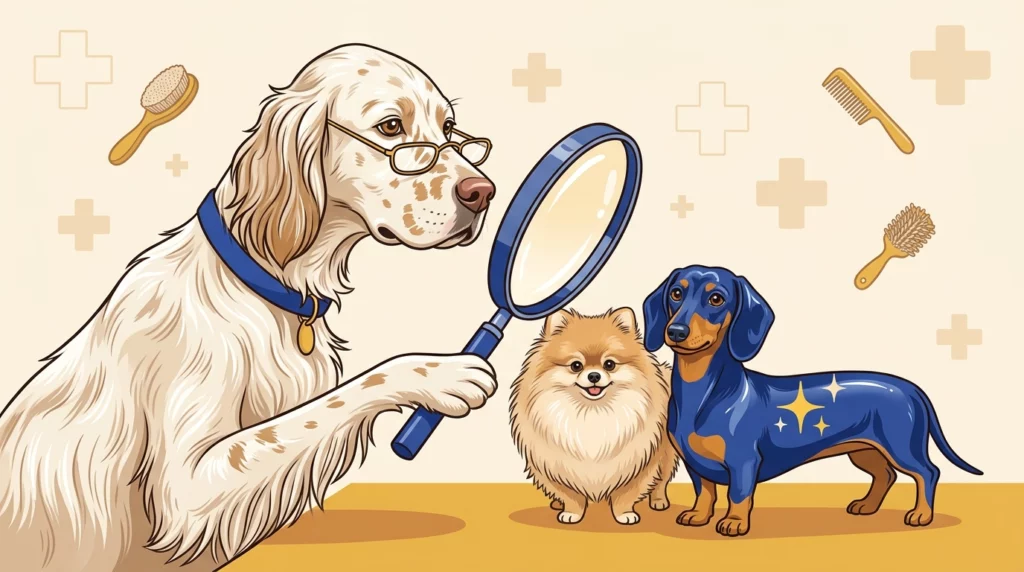
Let’s put on our metaphorical reading glasses and examine what your dog’s coat is trying to tell you.
The Picture of Perfection: What Healthy Looks Like
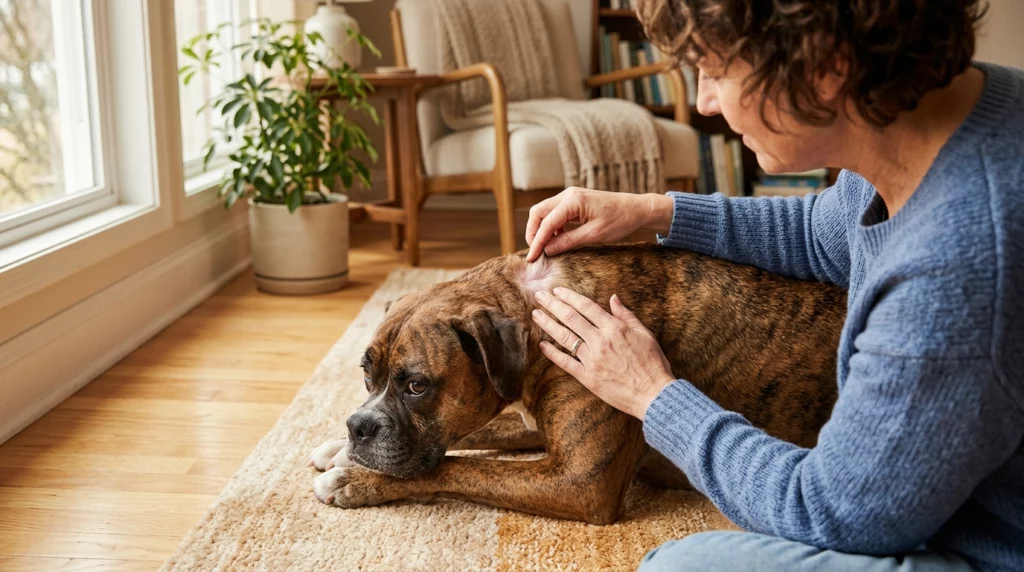
Before we can identify trouble, we must understand the baseline of beauty. In a healthy dog, the coat should be shiny, smooth, and supple, rather than brittle or coarse. Even wire-haired breeds should have a coat that feels clean and resilient, not dry and snapping. The skin beneath should be clear, elastic, and free of redness, flakes, or greasy residue.
According to VCA Hospitals, a healthy coat lacks dandruff, bald spots, or signs of irritation. When you stroke your pup, your hand shouldn’t come away coated in thick grease or a mini-snowstorm of white flakes. If their coat gleams in the sunlight and they aren’t constantly scratching, congratulations—you are maintaining a masterpiece.
The Dull, Dry, and Flaky Coat: A Nutritional Cry for Help
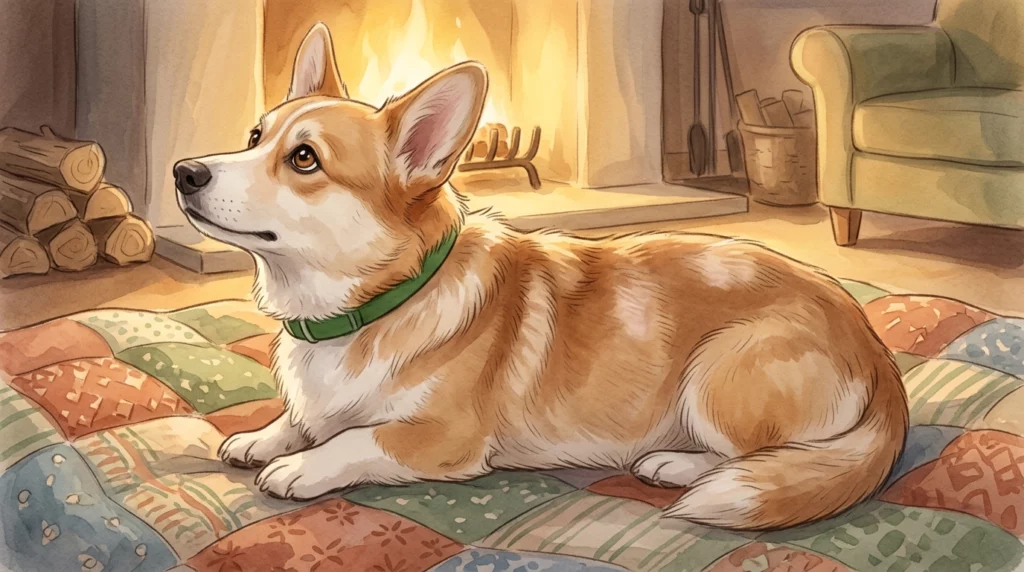
If your dog’s coat looks like a dusty old rug, the culprit is very often sitting right in their food bowl. Did you know that up to 30% of a dog’s daily protein intake is directed solely toward maintaining their skin and coat? It’s true, as detailed by the veterinary experts at VCA Canada. If their diet lacks high-quality, digestible proteins, their coat is the first luxury the body stops funding.
Furthermore, essential fatty acids are the secret ingredient to that coveted runway shine:
- Omega-6 Fatty Acids: These maintain the skin’s moisture barrier, keeping the skin plump and preventing dryness.
- Omega-3 Fatty Acids: These act as natural anti-inflammatories, soothing the skin from the inside out.
A deficiency in these nutrients often leads to a dull, brittle coat and dry, itchy skin that flakes easily. If you notice these dry-spell signs, as highlighted by PetPlace, it might be time to discuss a diet upgrade or high-quality fish oil supplements with your veterinarian.
Symmetrical Bald Patches: The Hormonal Warning Signs
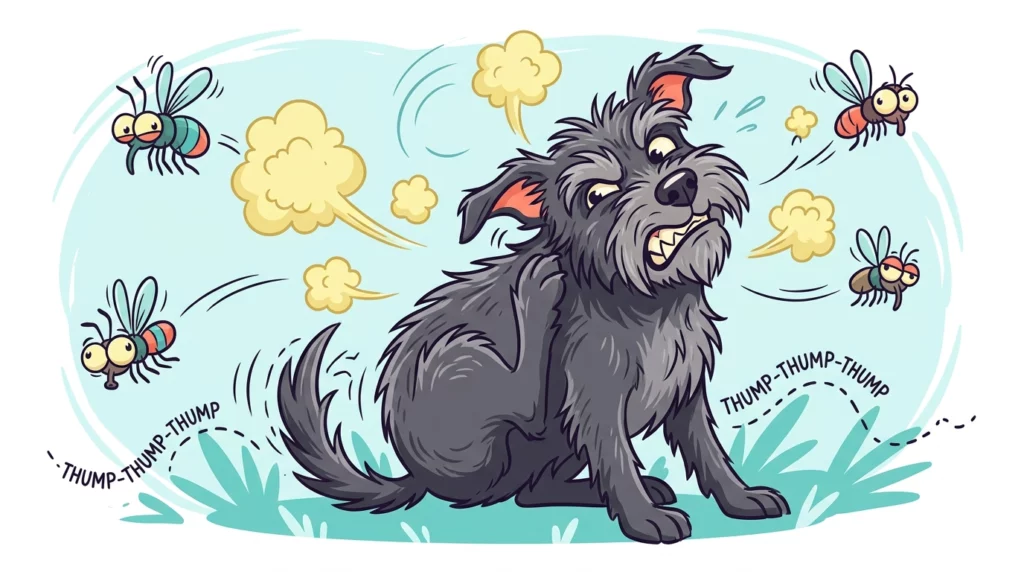
We all shed. Personally, I like to leave a little trail of elegance on the living room rug. However, there is a vast difference between normal seasonal shedding and actual hair loss (alopecia).
If you notice your dog is losing hair in symmetrical patterns—for instance, identical bald patches on both flanks—without any active itching or scratching, this is a classic indicator of an endocrine (hormonal) disorder. Two common culprits often diagnosed by veterinarians include:
1. Hypothyroidism
When the thyroid gland is underactive, the body’s metabolism slows down. This leads to a brittle coat, slow hair regrowth, and symmetrical hair loss, often accompanied by weight gain and lethargy. The Cornell Riney Canine Health Center notes that thyroid hormone is essential for stimulating hair follicles, which is why its absence leaves the coat looking sparse and lifeless.
2. Cushing’s Syndrome
Also known as hyperadrenocorticism, this condition occurs when the adrenal glands produce too much cortisol (the stress hormone). A hallmark sign of Cushing’s is a thin, dry coat, patchy hair loss, a “pot-bellied” appearance, and increased thirst. As explained by the Cornell Riney Canine Health Center, cortisol excess actively inhibits hair follicle activity, leading to progressive coat thinning.
The Itchy, Red, Scratchy Mess: Allergies and Invaders
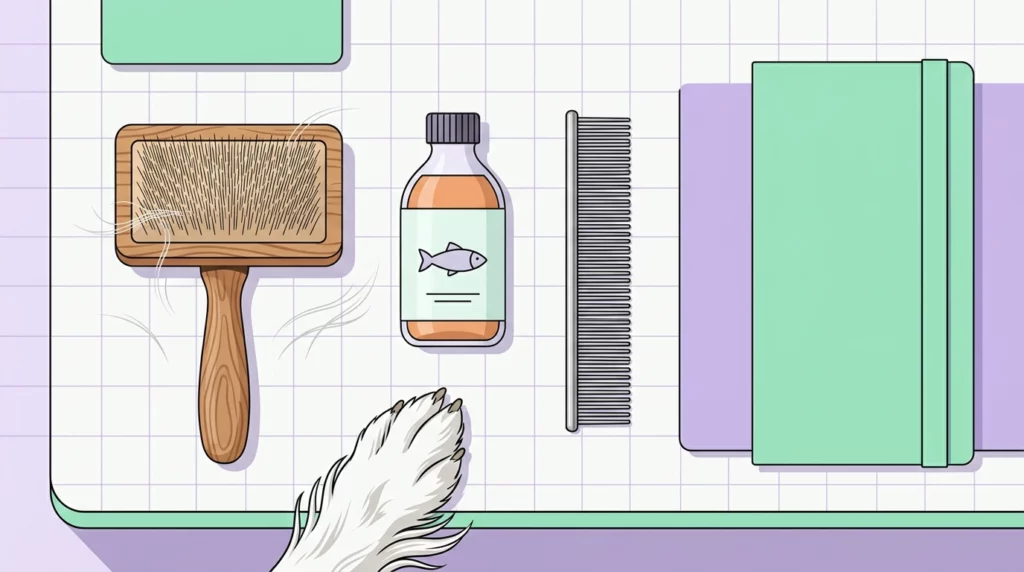
If your dog is biting their paws, rubbing their face against the carpet, or scratching themselves raw, their coat will quickly show the damage. Saliva staining (which turns white fur a rusty brown), hot spots, and localized hair loss are clear signs of discomfort.
According to the Cornell Riney Canine Health Center, atopic dermatitis (environmental allergies to pollen, mold, or dust mites) is a frequent driver of this intense itchiness. Additionally, food allergies or flea allergy dermatitis can turn a perfectly healthy coat into an irritated, patchy battleground.
As noted by La Petite Labs, other warning signs to look out for include an oily texture, a strong “yeasty” odor, and redness in the groin or armpits. These signs point to secondary yeast or bacterial infections that thrive when the skin’s natural barrier is compromised by scratching.
The Quality Check: Niki’s Guide to Coat Care
To keep your canine companion looking as magnificent as I do, we must be proactive. Do not wait for a full-scale blowout of bald patches before you take action. I suggest keeping a weekly inspection routine, as recommended by Honest Dog Breeder.
During your regular grooming sessions, parting the fur to inspect the skin underneath allows you to catch dryness, parasites, or unusual bumps early. Regular brushing also distributes natural oils throughout the coat, keeping it naturally water-resistant and delightfully soft.
If you notice persistent changes in your dog’s coat—such as excessive shedding out of season, greasy fur, bald spots, or intense scratching—skip the fancy home remedies and head straight to your veterinarian. A simple blood test or skin scraping can get to the root of the issue, ensuring your pup’s inner health matches their outer beauty.
Now, if you will excuse me, all this intellectual labor has exhausted me. I must go find a sunny patch on the floor to nap in, ensuring my own coat receives its daily dose of warm, rejuvenating light. Stay curious, stay observant, and keep those brushes moving!