Hello, adventurers! Yuna here, your resident feline explorer, tree-climber, and chief investigator of empty cardboard boxes. While my personal daily expeditions involve mapping the uncharted territory behind the sofa or hunting the elusive red laser dot, today I want to talk about some dogs who have taken the art of “finding stuff” to an Olympic, planet-saving level.
Yes, I am begrudgingly putting my cat pride aside to salute some truly incredible canines. We are diving into the wild, muddy, and wonderfully weird world of conservation dogs. These aren’t your average fetch-players. These are high-energy, obsessed detectives who are helping scientists save endangered species worldwide—all by sniffing out things humans could never hope to find on their own. (Spoiler alert: mostly poop.)
The Superpower in the Snout
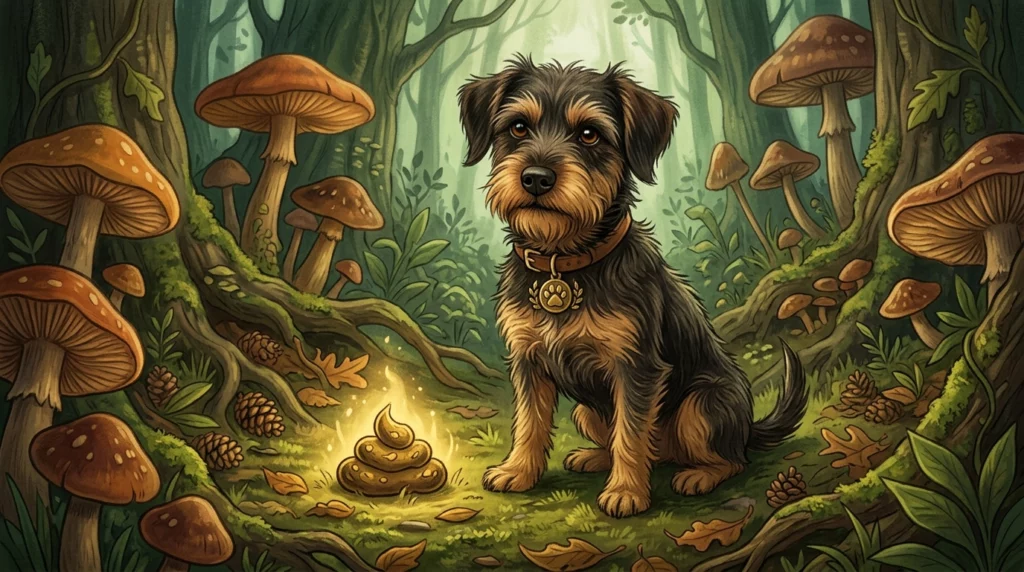
To understand how this works, we have to look at the sheer science of a dog’s nose. While humans have about 5 million scent receptors, a dog can have up to 300 million. Their sense of smell is so precise they can detect a single drop of a specific scent in an Olympic-sized swimming pool.
According to researchers at the University of Washington’s Center for Conservation Biology, this olfactory superpower makes dogs the ultimate non-invasive research tools. Instead of trapping wild animals, tranquilizing them, or putting stressful tracking collars on them, scientists can simply send in a dog to find what the animals leave behind: scat (that’s science-speak for poop!).
Why is Poop so Valuable?
You might think sniffing poop is just a gross dog hobby, but to conservationists, scat is a goldmine of biological data. By analyzing a single sample, scientists can discover:
- The species, gender, and individual identity of the animal.
- Its diet and nutritional health.
- Stress hormone levels and reproductive cycles.
- The presence of toxins, parasites, or diseases in the environment.
And the best part? The animal never even has to see a human. It’s completely stress-free wildlife monitoring!
The “Too Chaotic for a Couch” Crew
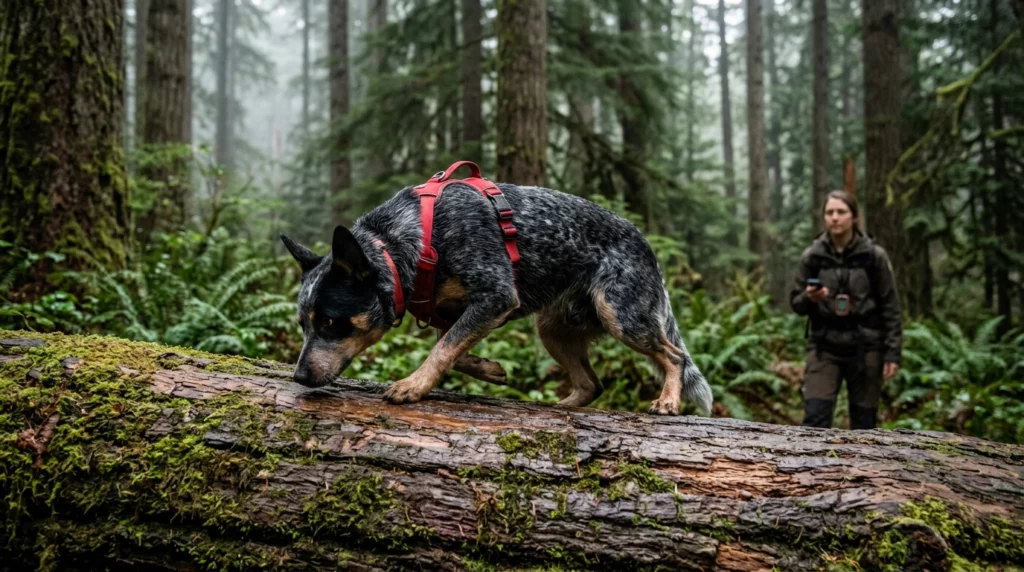
Now, you might think these highly professional conservation dogs are pristine, ultra-obedient show breeds. Absolutely not! In fact, most of these ecological heroes are the chaotic, hyperactive misfits of the shelter world.
Organizations like Rogue Detection Teams and the original Conservation Canines program actually look for dogs with an “unmanageable” play drive. These are the dogs that regular adopters return to shelters because they will not stop screaming for their tennis ball, destroying furniture, or pacing with infinite energy.
For a family in a quiet suburb, a dog like this is a nightmare. But for a conservation handler, this dog is a diamond in the rough. That obsessive drive is exactly what makes them perfect for the job. They don’t do this work for treats; they do it because when they find the target scent, they get their favorite toy for a quick, glorious game of tug-of-war. It’s the ultimate win-win: shelter dogs get a purpose and a loving home, and the planet gets a tireless protector.
From Orcas to Caterpillars: What Are They Finding?
The sheer variety of targets these dogs can track is mind-blowing. They aren’t just looking for big, obvious things like grizzly bears or tigers. They are trained to find the tiny, the hidden, and the downright unexpected.
Sniffing the High Seas
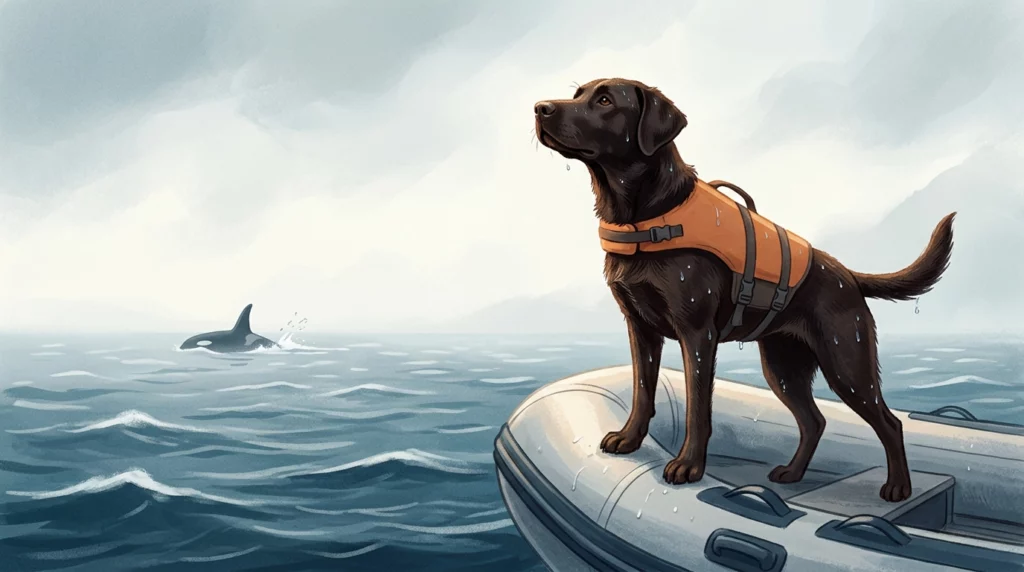
One of the most famous applications of this science was pioneered by the University of Washington, where dogs were trained to sniff out killer whale scat in the open ocean. As detailed by the UW Magazine, dogs stand on the bow of research vessels, sniffing the wind. They can detect floating orca scat from up to a mile away, guiding the captain to the exact spot so researchers can scoop it up before it sinks. This crucial data helps scientists understand why the endangered Southern Resident killer whale population is struggling.
Protecting Native Ecosystems
Closer to land, dogs are used to locate invasive plants, rare insects, and endangered amphibians. For example, the Tualatin Soil and Water Conservation District has utilized conservation dogs to detect garlic mustard, an invasive weed that threatens local forests. While humans might hike right past a tiny sprout, a dog can pinpoint the plant before it seeds, stopping the invasion in its tracks.
Other organizations, like Working Dogs for Conservation, deploy canine teams globally to detect everything from smuggled ivory and rhino horn to invasive zebra mussels on boats, stopping wildlife traffickers and ecological disasters before they spread.
A Day in the Life of a Rogue Dog
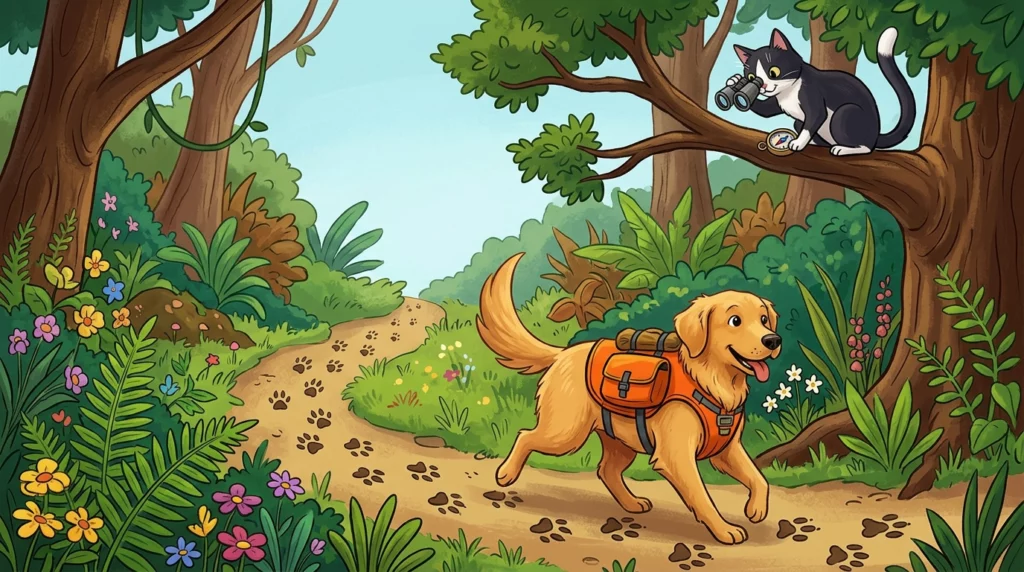
Life as a conservation dog is an absolute dream for a high-energy pup. They spend their days hiking through dense forests, climbing mountains, or riding on boats with their favorite humans. There are no cages, no boring backyard fences, and no limits to their adventures.
Handlers monitor their dogs closely, ensuring they stay hydrated, safe from predators, and warm in rough weather. It’s a partnership built on absolute trust. When a dog alerts—often by sitting quietly and pointing their nose directly at the target—the handler rejoices, whips out the toy, and plays like there’s no tomorrow. The dog thinks they’ve just played the best game of hide-and-seek ever. Meanwhile, scientists pack up a sample that might help draft new environmental protection laws.
Yuna’s Final Verdict
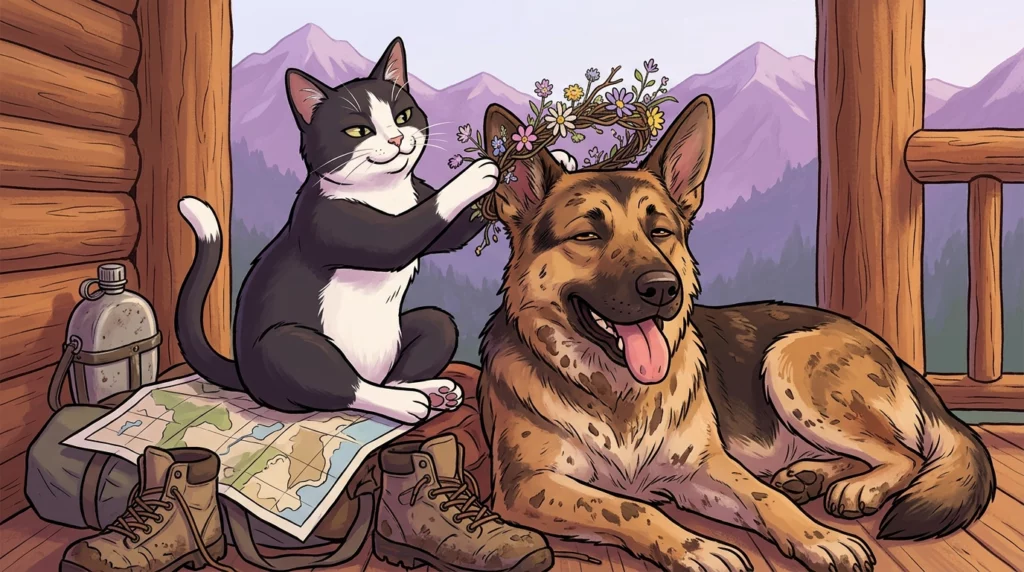
As a cat who values both my beauty sleep and the preservation of our gorgeous wild spaces, I have to give credit where credit is due. These chaotic, ball-crazy dogs are doing some of the most important work on the planet. They prove that sometimes, the qualities that make us “difficult” in one environment are the exact traits that make us extraordinary in another.
So, the next time your dog sniffs a fire hydrant for five minutes straight, don’t rush them. Who knows? They might just be practicing for their future career as a world-saving conservation hero. Now, if you’ll excuse me, I see a very suspicious shaft of sunlight on the floor that requires my immediate, intense investigation!