
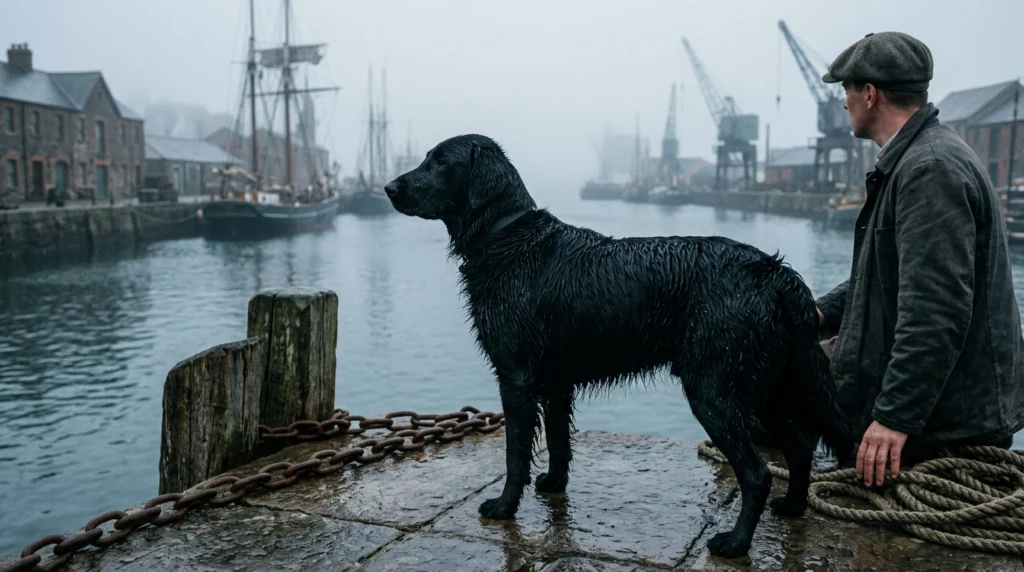
As an English Setter of refined tastes, I appreciate structure, elegance, and a job well done. While some of my canine acquaintances—and I shall mention no names, though certain energetic blue herding dogs come to mind—are content with chasing their own tails or barking at clouds, I prefer to focus my attention on matters of substance. Today, I want to talk about a historical colleague who set the absolute gold standard for canine achievement.
Allow me to introduce you to Swansea Jack, a black retriever who lived in Wales during the 1930s. He did not merely fetch slippers. He did not simply sit politely for treats. No, Jack looked at the treacherous, industrial docks of Swansea and decided his calling was to be a full-time, self-appointed lifeguard. By the end of his life, he was officially credited with saving 27 humans and two fellow dogs from drowning.
Pour yourself a quiet cup of chamomile tea, find a comfortable cushion, and let us dive into the remarkable, true history of a genuinely heroic hound.
The Docks of Swansea: A Dangerous Playground

To understand Jack’s achievements, we must first understand his environment. Born in 1930, Jack was a black retriever—often identified as a Flat-Coated Retriever, a breed known for its superb swimming ability and water-repellent coat. He lived with his human companion, William Thomas, near the River Tawe and the North Dock area of Swansea, Wales, as documented by Wikipedia’s history of Swansea Jack.
In the 1930s, this area was a bustling, gritty industrial port. It was not a pristine, modern leisure marina. The water was deep, murky, highly active with shipping traffic, and incredibly dangerous. Despite the hazards, local children often played near the docks, and adults working in the shipping industry frequently found themselves in precarious situations. It was a recipe for disaster—and the perfect stage for a hero.
The First Rescue: Quick Thinking and No Hesitation
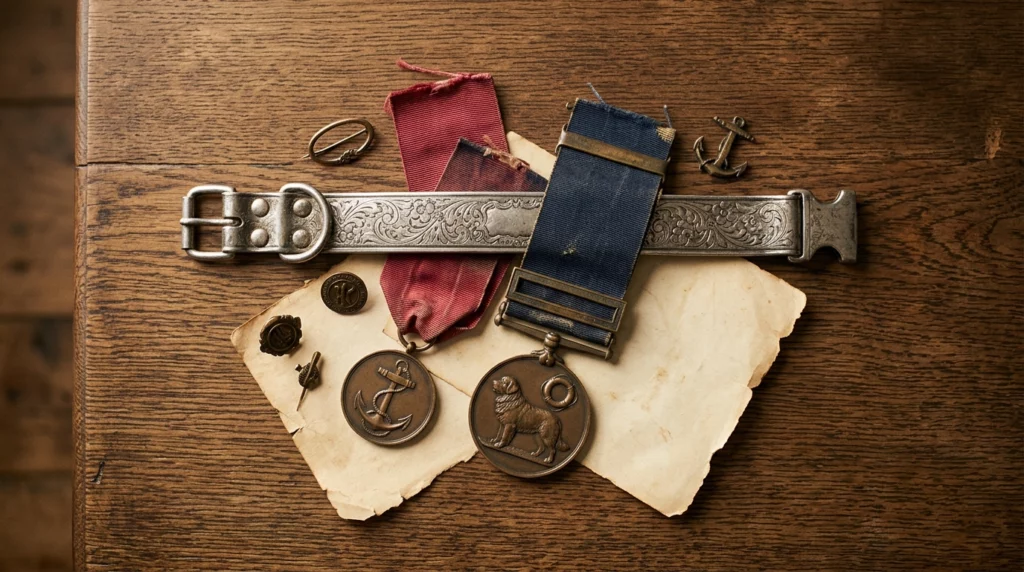
According to historical records from the Swansea Jack website, Jack’s life-saving career began in June 1931. A twelve-year-old boy had fallen into the docks and was struggling to stay afloat.
While onlookers panicked, Jack did not wait for a committee meeting or a formal risk assessment. He launched himself into the water, swam directly to the drowning boy, and grabbed him. In a display of pure, practical problem-solving that I highly admire, Jack grabbed the boy by his hair and pulled him safely to the dockside.
While dragging someone by their hair might sound a bit uncouth to those of us who appreciate gentle handling, one cannot argue with results. The boy survived, and Jack discovered his true purpose in life.
A Growing Tally of Heroic Deeds
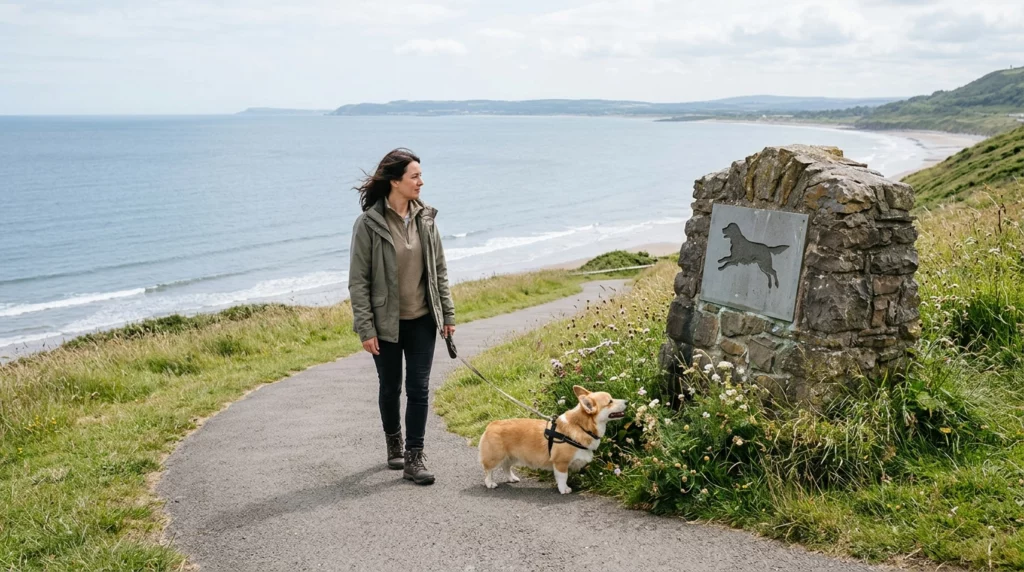
A single rescue would make any dog a local legend, but Jack was just getting started. Over the next few years, he became a constant guardian of the Swansea waterfront. Whenever someone fell into the water, Jack was there.
The British Newspaper Archive contains fascinating contemporary reports of his exploits. He saved adults, children, and even other dogs who had fallen into the steep-sided docks. His technique was always efficient: swim out, secure a grip on clothing, hair, or limbs, and paddle furiously back to safety.
What makes this even more impressive to a discerning mind like mine is that Jack was never formally trained as a water rescue dog. He operated on pure instinct, exceptional physical stamina, and an innate desire to help those in distress. It is the ultimate testament to what dogs can achieve when we apply our minds to useful work.
The Medals, the Fame, and the Silver Collar
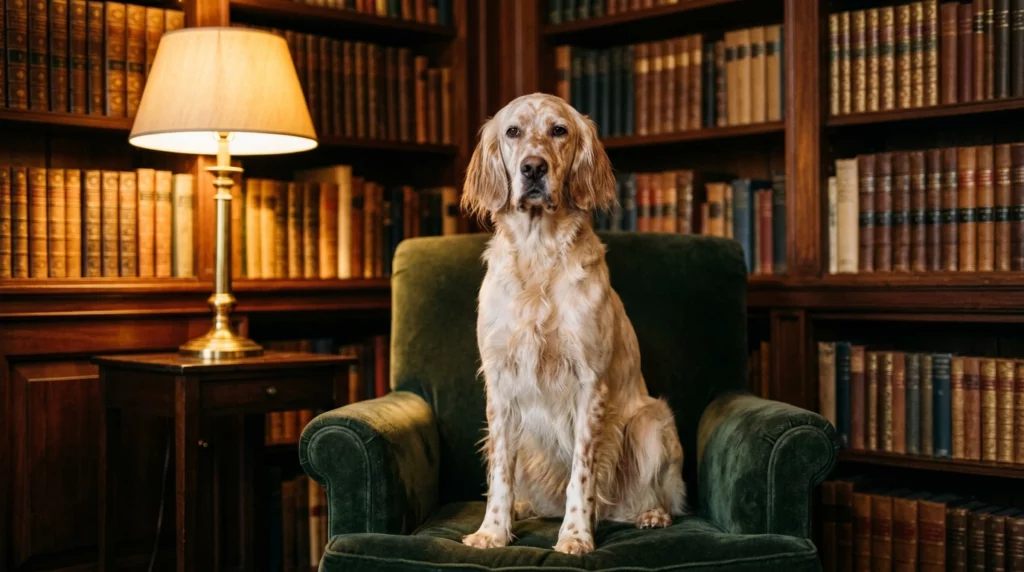
Naturally, the human world began to take notice of this extraordinary dog. Jack became a national celebrity, and the awards poured in.
- The Silver Collar: The people of Swansea were so grateful that they awarded Jack a beautiful silver collar. This prized artifact can still be researched today through the Swansea Museum.
- The Bravest Dog of the Year: He was awarded the prestigious title of “Bravest Dog of the Year” by the Star Dog Academy in London, which brought him national fame.
- The Silver Cup: The Mayor of London himself awarded Jack a bronze-and-silver cup to honor his incredible bravery, as detailed by Wooftroop’s historical archives.
Jack was photographed by journalists, cheered by crowds, and adored by the public. Yet, by all accounts, he remained a humble, hard-working dog who never let the fame go to his head. He did not demand premium kibble or require a velvet sofa; he simply wanted to keep his river safe.
A Lasting Legacy in Wales
Tragically, Jack’s life was cut short in 1937 at the age of seven, after he accidentally consumed rat poison—a heartbreaking hazard of the industrial docks he worked so hard to protect. His passing was mourned by the entire nation.
However, his legacy is immortal. A public monument was erected in his honor near St. Helen’s Rugby Ground in Swansea, where it still stands today, reminding visitors of the brave black retriever who watched over the docks.
Furthermore, the impact of his life was so profound that the nickname “Swansea Jacks” is still proudly used to describe people born in Swansea, as well as the supporters of the local football club, Swansea City AFC. It is quite a feat for a single dog to inspire the identity of an entire city!
Niki’s Final Verdict
In a world where many dogs are content with a simple life of luxury (and I must admit, a soft rug in front of a warm fireplace is delightful), Swansea Jack reminds us of the true depth of canine capability. He was intelligent, observant, physically gifted, and entirely dedicated to the safety of others.
So, the next time you look at your own dog sleeping upside down on the couch, perhaps gently remind them of Swansea Jack. We might not all be destined to save 27 lives from murky Welsh waters, but we can certainly strive to bring a little bit of Jack’s courage, focus, and dedication into our daily lives. Now, if you will excuse me, I must go and supervise the kitchen—standards must be maintained, after all.