Hello, dear readers. Niki here. As a five-and-a-half-year-old English Setter of impeccable taste and highly refined standards, I usually prefer the quiet contemplation of a sunbeam or a perfectly executed point in the garden. However, today we must discuss a topic that my housemate Blu—a delightful but utterly chaotic Griffon Bleu de Gascogne—approaches with the subtlety of a runaway freight train: playtime.
To the untrained human eye, a pair of puppies tumbling over each other, growling like miniature beasts, and performing dramatic zoomies looks like pure, unadulterated nonsense. You might assume they are simply burning off that exhausting puppy energy. But as a dog who prides herself on keeping our content up to the highest standards, I am here to tell you that play is serious business. There is profound, hard science happening beneath those floppy ears.
The Neurobiology of Play: Wiring the Puppy Brain
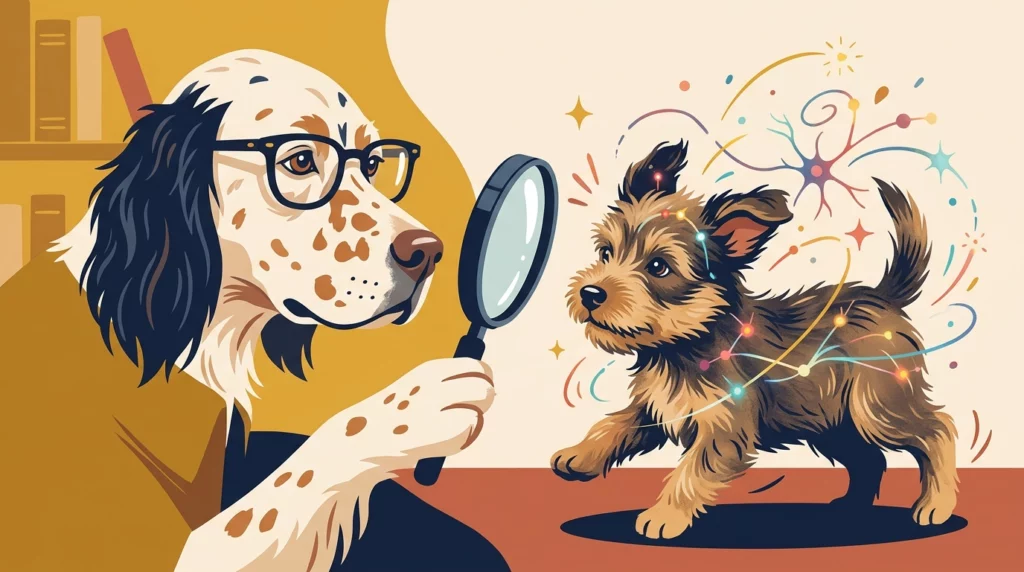
When a puppy plays, they aren’t just having fun; they are literally building their brain. During the critical developmental windows of puppyhood, the brain is highly plastic. According to research on the neurobiology of play development in dogs, active play stimulates the release of growth factors like Brain-Derived Neurotrophic Factor (BDNF). This chemical acts like fertilizer for the brain, promoting the growth of new neural connections and helping to shape the prefrontal cortex.
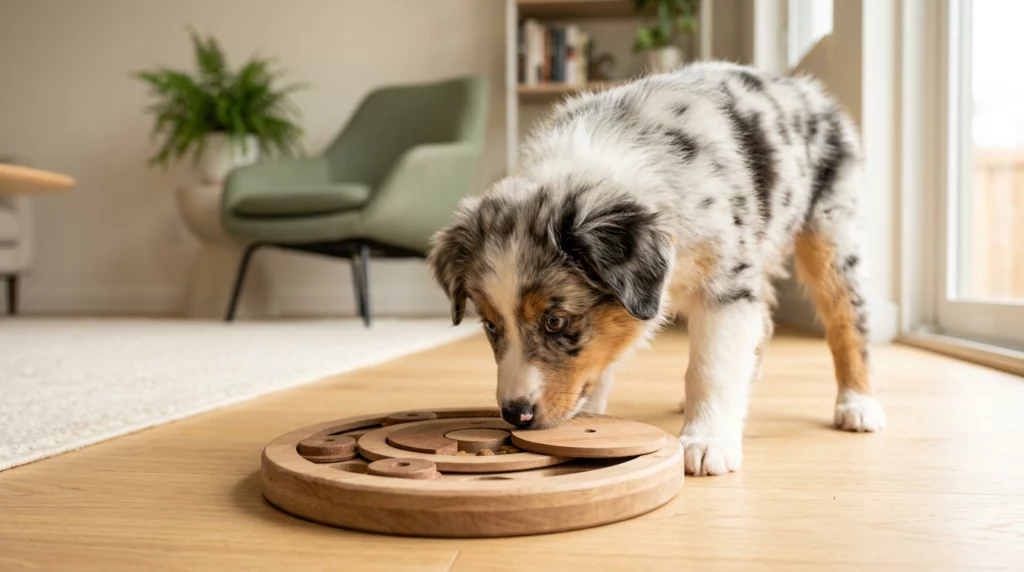
This neurological workout is essential for cognitive flexibility. A played-with puppy is a puppy that learns how to learn. They become better problem-solvers, more resilient to stress, and highly adaptable to new environments. Indeed, a study hosted on PubMed Central (PMC10135149) underscores how early environmental enrichment, including interactive play, directly correlates with improved cognitive development and reduced fearfulness later in life.
The Canine Code of Ethics: Why Fair Play is Mandatory
Have you ever watched puppies play and wondered why they don’t actually hurt each other? It turns out, dogs have a highly sophisticated, evolutionary moral code. If you want to dive deep into this, look no further than the work of cognitive ethologist Marc Bekoff. In an episode of the Health Science Podcast featuring Marc Bekoff, he explains that animal play is governed by strict rules of fairness, empathy, and trust.
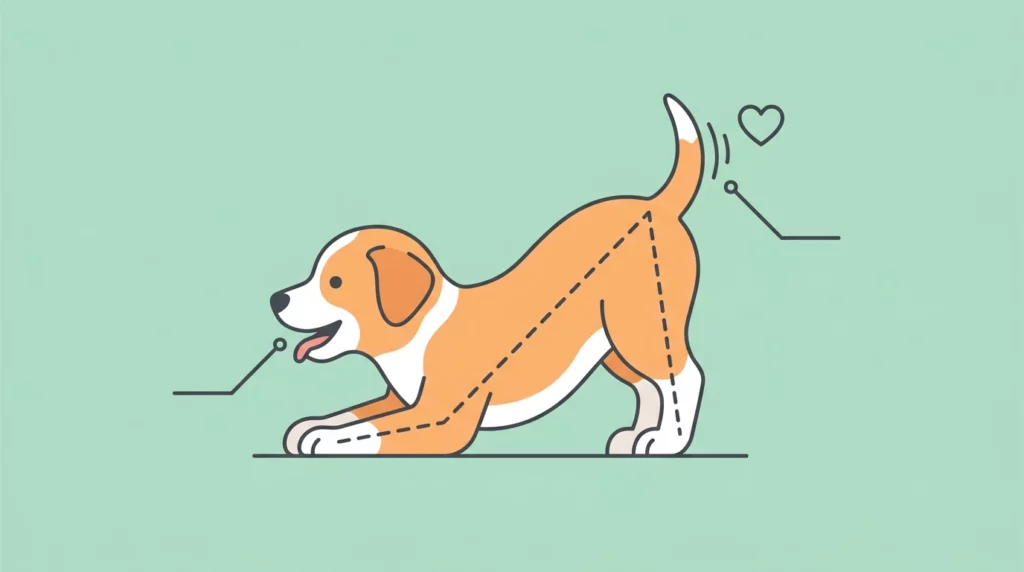
According to research archived at the University of Southampton, play is maintained through clear communication signals. The most famous of these is the “play bow.” When a pup lowers their front elbows to the ground while keeping their rear in the air, they are saying: “Whatever I do next, even if I bite you or tackle you, is just a joke!”
To keep the game going, puppies must practice two crucial behaviors:
- Self-Handicapping: A larger, stronger puppy will deliberately hold back. They might bite softer or run slower so their smaller playmate doesn’t get scared.
- Role Reversal: The dominant puppy will voluntarily put themselves in a vulnerable position, such as rolling onto their back, allowing the submissive pup to “win” temporarily.
If a puppy refuses to play fair—say, they bite too hard and ignore the other dog’s yelp of pain—the game ends. Studies on canine social behavior in the WellBeing International Studies Repository show that puppies who fail to learn these social boundaries during early play are often shunned by other dogs later in life. Play is the ultimate classroom for learning empathy and emotional self-regulation.
Physical Conditioning and Preventing Behavior Problems
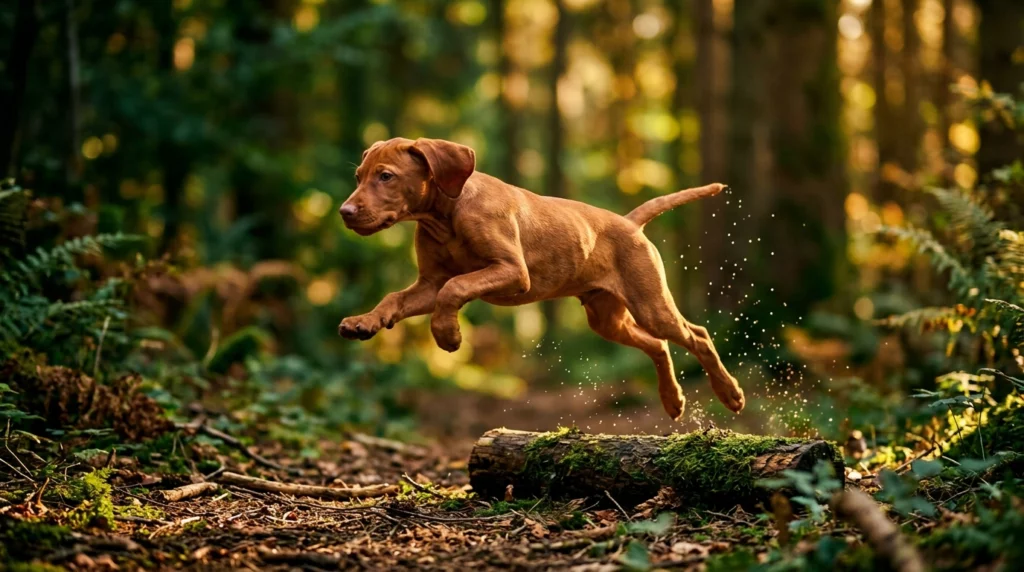
Aside from the intellectual benefits, let’s not overlook the physical ones. Play is an all-in-one workout. It builds muscle tone, refines motor skills, improves cardiovascular health, and teaches puppies how to coordinate their rapidly growing bodies. As highlighted by Greenlin Pet Resorts, physical play is essential for long-term joint health and obesity prevention.
Furthermore, regular play is a powerful preventative medicine for behavior issues. As the experts at DVM360 point out, play is not just a luxury; it is a fundamental welfare need. Puppies who are deprived of adequate play and mental stimulation are far more likely to develop anxiety, destructive chewing habits, compulsive behaviors, and hyper-reactivity.
The Right Way to Socialize: Quality Over Quantity
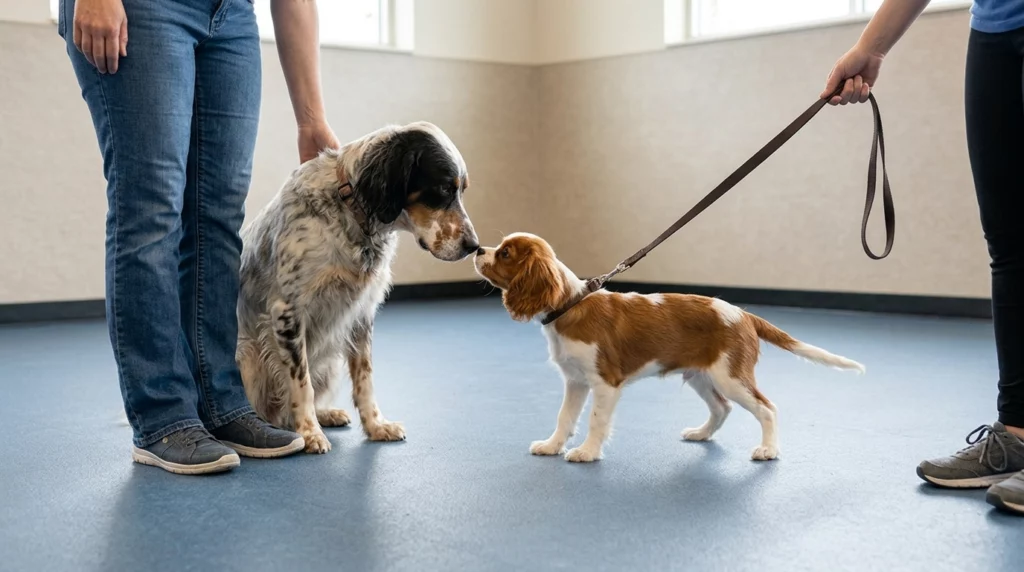
Now, a word of caution from a dog who values quality control. Socialization is not about throwing your puppy into a chaotic, unregulated mosh pit of thirty dogs and hoping for the best. In fact, unstructured, overwhelming environments can sensitize a puppy, making them fearful or dog-reactive.
According to research on supervised off-leash play and canine socialization, the best play experiences are carefully monitored. Look for structured puppy classes or small, curated playgroups where the dogs are matched by size, age, and temperament. Keep a close eye on the body language: look for loose, wiggly bodies, bouncy movements, and frequent pauses. If the play looks stiff, or if one puppy is constantly trying to hide, it is time to step in and give them a break.
Niki’s Final Verdict
So, the next time you see your young pup acting like an absolute clown with their toys or their canine friends, do not dismiss it as mere silliness. Respect the process! They are doing the hard, scientific work of growing a healthy brain, a strong body, and a socially sophisticated soul.
Now, if you will excuse me, Blu has just dropped a very slimy, squeaking plush pheasant onto my paws. It is dreadfully unrefined, but for the sake of his cognitive development, I suppose I must allow him to “win” a brief game of tug. Until next time, keep your standards high and your playtimes structured!