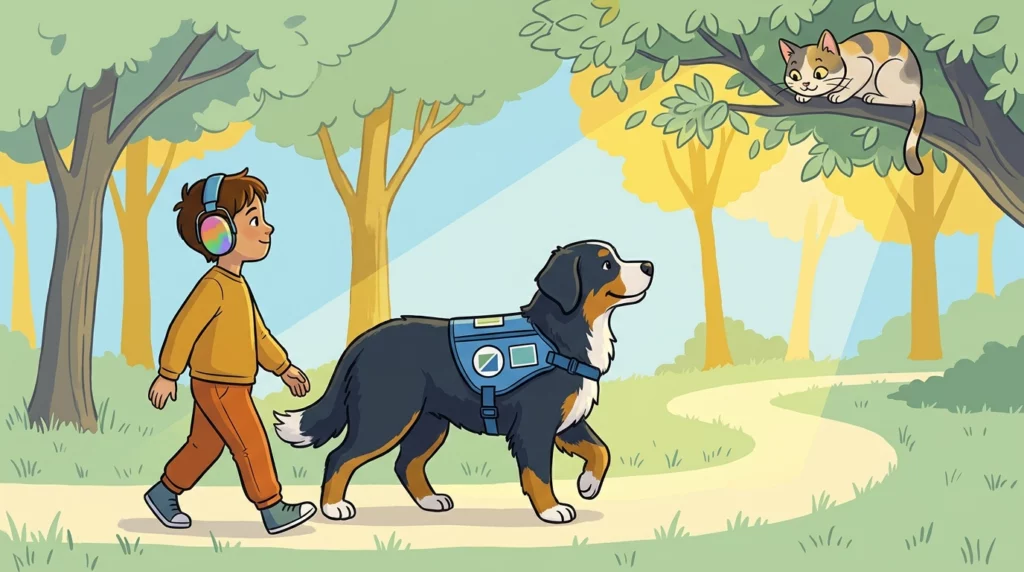
Hello, curious humans! Yuna here—SnoutScoop’s resident acrobatic feline, chaos coordinator, and lover of high places. Normally, I spend my time exploring bookshelf heights or trying to understand why Blu runs in circles when he gets excited. But today, I want to talk about a very specific group of dogs who are doing something far beyond fetching tennis balls. They are performing real-life magic for autistic children and their families.
While I usually think cats rule the secret arts, I have to give credit where credit is due: autism service dogs are absolute superheroes. They are tail-wagging anchors, calm navigators, and empathetic sidekicks all wrapped into one fluffy package. Let’s leap right into how these remarkable dogs are tailored to help autistic kids thrive.
1. Keeping Adventurous Explorers Safe (Elopement Prevention)
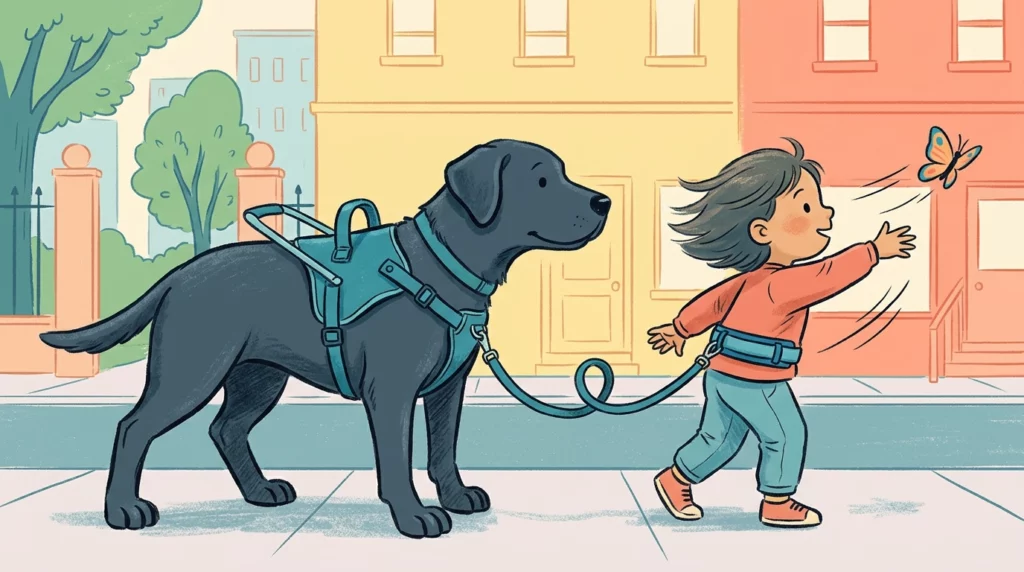
As a cat who routinely tries to investigate open doorways, I completely understand the urge to wander off toward something fascinating. For many autistic children, a tendency to wander away from safe spaces—often called bolting or elopement—can be a major safety concern for parents. That is where service dogs step in as vigilant bodyguards.
According to the Indiana Resource Center for Autism, service dogs are frequently trained to prevent elopement by acting as a physical anchor or alerting adults when a child attempts to leave a designated safe zone. In some dynamic team setups, children are gently tethered to a specially fitted harness worn by the dog. If the child attempts to bolt toward a street or crowded venue, the dog sits or lies down, holding their ground firmly.
Organizations like 4 Paws for Ability also train service dogs in search-and-rescue scent tracking. If a child does manage to slip away, these sharp-nosed dogs can track the child’s unique scent through neighborhoods or parks, turning a terrifying situation into a swift, safe reunion.
2. Deep Pressure Therapy and Sensory Calming
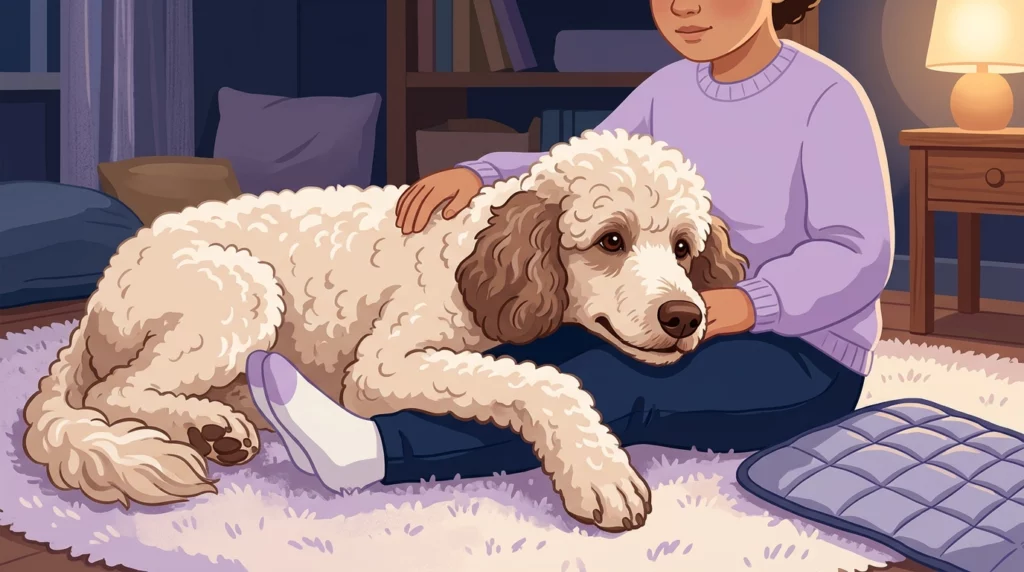
The world can be loud, bright, and overwhelming. When sensory input gets too intense, autistic children may experience sensory overload or meltdowns. Service dogs are custom-trained to sense rising anxiety or distress before it boils over, providing gentle physical interventions.
One of the coolest moves in a service dog’s playbook is Deep Pressure Therapy (DPT). As detailed by Assistance Dogs International, these dogs are trained to place their lap, chin, or whole body across a child’s legs or chest. This firm, warm pressure stimulates the parasympathetic nervous system, lowering heart rates and helping the child feel grounded during sensory overload.
As Canine Companions notes, task-trained behaviors—such as laying a heavy paw across a lap, leaning against a child, or nudging hands during self-soothing behaviors—provide sensory feedback that interrupts distress and restores a sense of calm control.
3. Social Bridges and Everyday Communication
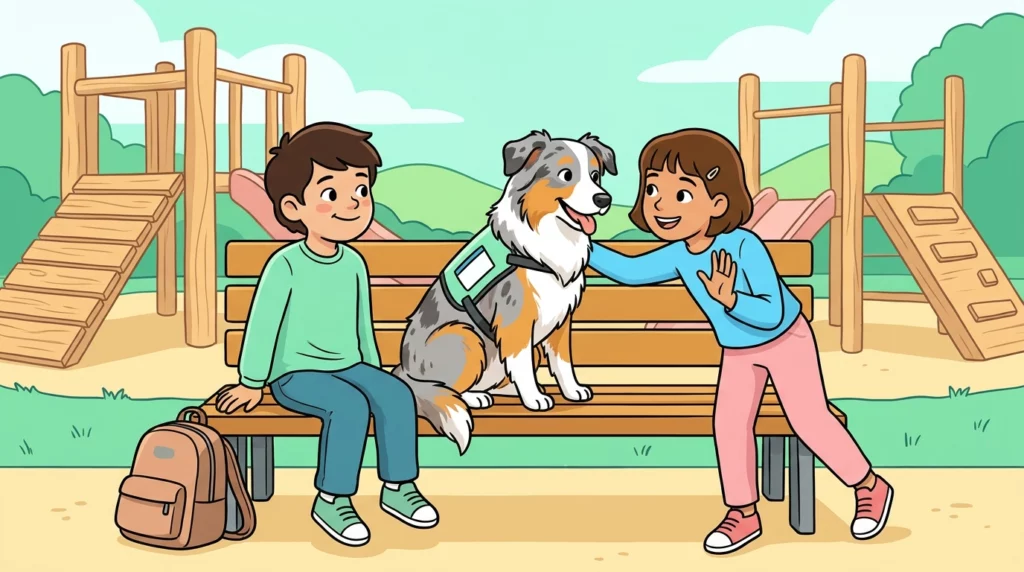
Navigating social interactions can sometimes feel like trying to speak a foreign language. Having a canine partner changes the dynamic entirely. A service dog is a non-judgmental, warm presence who doesn’t care about eye contact, complex social rules, or small talk.
A comprehensive scientific review published in PubMed Central highlights that assistance dogs frequently act as social catalysts. Kids who might usually feel self-conscious or overwhelmed in public find that a dog attracts friendly, predictable social interactions. Peers are curious about the dog, giving the child an easy, comfortable icebreaker topic to talk about.
Furthermore, as explained by Autism Speaks, caring for and interacting with a service dog encourages verbal communication, boosts self-esteem, and creates a consistent bedtime routine. Many kids who struggle with night terror anxiety or sleep disturbances feel safer knowing their loyal companion is snoring softly at the foot of their bed.
4. Life-Changing Support for the Entire Family
Here is something that really warmed my feline heart: the impact of an autism service dog reaches way beyond the child. It transforms the whole household!
Before getting a service dog, simple family outings like going to the grocery store, attending a sibling’s soccer match, or visiting a noisy restaurant can feel impossible due to safety fears or sensory meltdowns. In an article on family-wide benefits, Canine Companions points out that service dogs lower overall parental stress levels significantly. With the dog managing safety and emotional regulation, families gain the freedom to travel, dine out, and enjoy public outings together with confidence.
5. The Growing Need and Rigorous Training
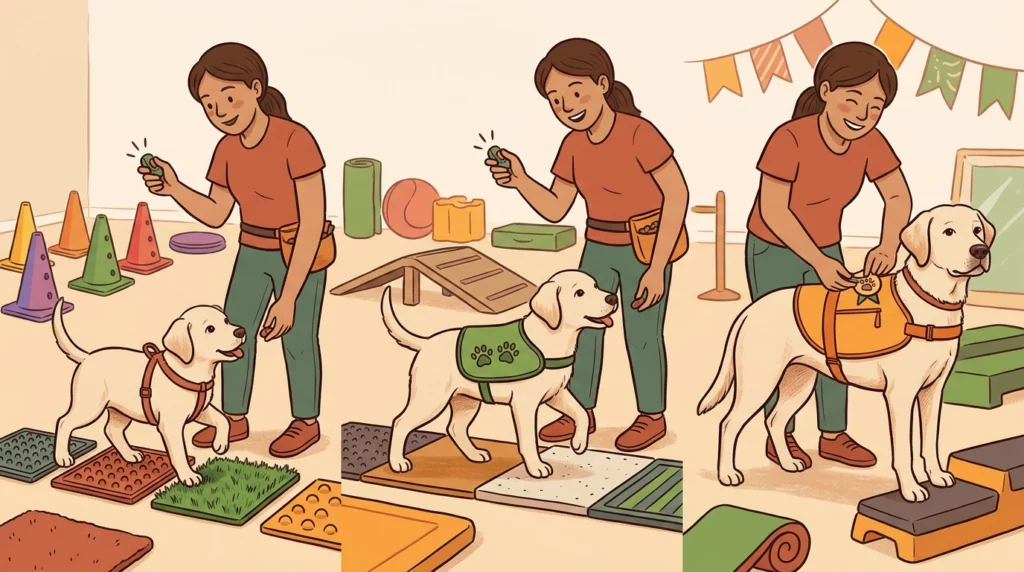
These four-legged sidekicks don’t just wake up one morning knowing how to interrupt meltdowns or perform scent tracking. It takes up to two years of intensive social, sensory, and task training to prepare a dog for service work.
Because these animals make such an extraordinary difference, demand is higher than ever. According to Assistance Dogs International, applications for autism assistance dogs have surged worldwide, with organizations continuously innovating to match dogs to individuals with complex sensory and mobility requirements.
Yuna’s Final Thoughts
As a cat who usually reserves high praise for window perches and sunny spots, I have to tip my whiskers to these incredible dogs. They aren’t just pets—they are tailored partners, safety anchors, and steadfast best friends. They give autistic kids the freedom to explore the world on their own terms, and that is an adventure worth celebrating!