Supporting an adolescent dog
Adolescence can prompt a rethink of familiar routines and training expectations. Explore attention, recall, chewing and individual differences to choose supportive adjustments rather than treating every difficulty as deliberate disobedience.
Training mode
Supporting an adolescent dog
Questions covered in this exam
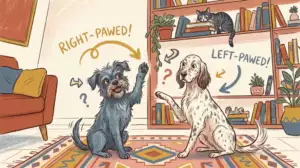
- Two young dogs of the same age behave differently. What should guide support?
- Your young dog returns at home but struggles in a busy park. Where should you rebuild practice?
- Recall has become unreliable near wildlife. What protects the young dog while practising?
- A familiar bin suddenly worries an adolescent dog. What is a useful response?
- A young dog suddenly snaps when its back is touched. What should you do?
- Your adolescent loses focus during a long lesson. How can you adapt?
- A young dog jumps during greetings. What should you actively teach?
- Play becomes rough and one dog tries to leave. What is appropriate?
- A lively adolescent needs occupation. What can complement suitable exercise?
- Praise motivates your adolescent indoors but not outside. What should you review?
- Your adolescent finally comes back after a delay. What helps future returns?
- Family members use conflicting cues during practice. What should they arrange?
- Yesterday's exercise is difficult today. What is useful to note?
- A young dog repeatedly freezes in a crowded event. What comes first?
- During a difficult developmental phase, what can support your dog?
- A young dog seeks chewing activities. What should you provide?
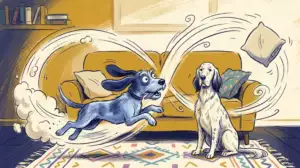
- A game leaves your adolescent increasingly frantic. What should you change?
- Fear or threatening behaviour keeps escalating. What is the better plan?
- Someone calls every adolescent mistake a dominance challenge. What is missing?
- Your adolescent offers a calm greeting after practice. What should follow?