Hello, discerning readers. Niki here. As a five-and-a-half-year-old English Setter, I pride myself on maintaining the highest standards of intellectual curiosity and elegance here at SnoutScoop. While my high-energy brother Blu is usually busy chasing his own tail, and our resident cats, Pisino and Yuna, are busy plotting world domination, I prefer to observe human behavior.
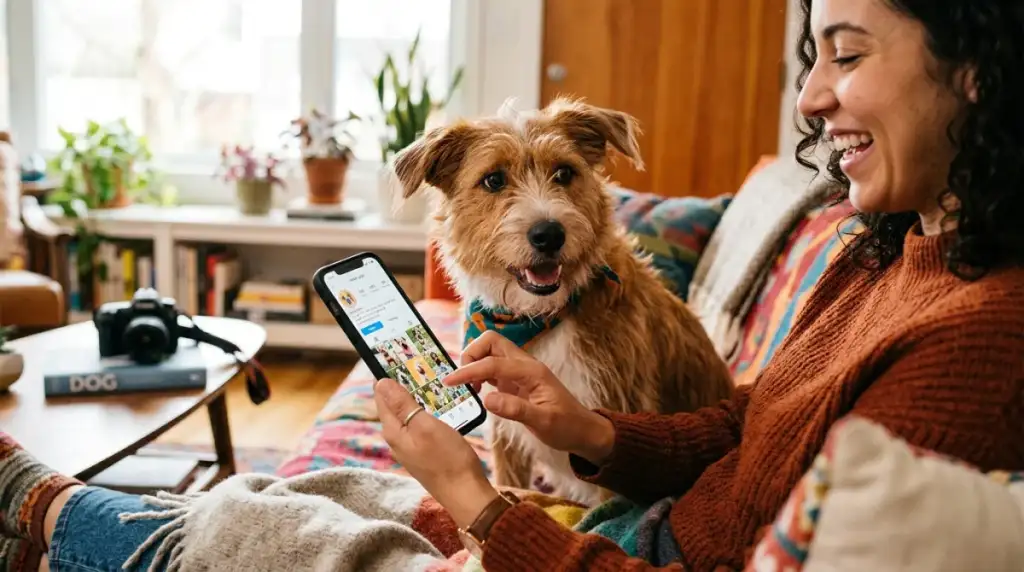
Lately, I have noticed a fascinating, slightly concerning trend. My humans spend an extraordinary amount of time staring at a small, glowing rectangle. On this rectangle, other dogs are dancing, wearing tiny cowboy hats, balancing treats on their noses, and receiving millions of virtual ‘likes.’
It’s clear that social media has completely transformed how humans view, raise, and interact with us. But what is the real-world impact behind the screen? Let’s put on our reading glasses, dig into the data, and separate the healthy trends from the digital doggy traps.
The Bright Side: Digital Lifelines and Virtual Villages
Let’s start with the good news, because a well-balanced dog always looks for the positive. Social media has become an incredibly powerful tool for animal welfare. In the past, finding a rescue dog meant visiting physical shelters and hoping for a match. Today, a single viral video can find a forever home for an overlooked pup in a matter of hours.
According to research highlighted by the ASPCA, social media is an essential, high-impact tool for animal shelters and rescue organizations. By sharing high-quality photos, cheeky personality descriptions, and videos of adoptable animals, shelters can reach a massive, highly engaged audience, significantly reducing the time animals spend waiting for their families.
Beyond adoption, social media helps build vital support networks. If you own a rare breed, a dog with a specific medical condition, or a rescue with unique behavioral needs, platforms like Instagram and Facebook allow you to find your global pack. You can share tips, find specialized trainers, and realize you are absolutely not alone in your pet-parenting journey.
The Dark Side: The ‘Aesthetic’ Trap and Doggy Burnout

However, as an analytical Setter, I must point out that not everything is rosy on the grid. The rise of the ‘pet influencer’ has turned our species into major economic and cultural drivers. As reported by the Independent, viral pets can command thousands of dollars per post, creating a booming industry of digital animal stardom.
Research from the University of Strathclyde reveals that these pet influencers build powerful ‘parasocial’ relationships with their human followers, who view these animals almost as real-life friends. While this sounds harmless, it can lead to some highly questionable real-world behaviors.
For one, there is the risk of prioritizing ‘likes’ over canine welfare. As the experts at Canine Principles point out, our pursuit of the perfect viral video can easily slide into anthropomorphism and distress. Humans often misinterpret dog body language for the sake of entertainment. That ‘guilty’ look when a dog is surrounded by ripped-up pillows? It’s actually a display of intense appeasement and fear. The ‘smiling’ dog might actually be panting from severe anxiety.
Furthermore, the physical demands of being an online star can take a toll. In an article exploring whether social media is hurting your pet, vet experts warn about the physical and psychological stress of constant filming, uncomfortable costumes, and forced poses. A dog’s home should be their safe haven, not a high-stress production studio with a ring light in their face.
The ‘TikTok Academy’ and Dangerous DIY Medicine
Perhaps the most concerning trend is the rise of the digital veterinarian. We’ve all seen them: short, punchy videos offering quick fixes for everything from itchy paws to severe behavioral issues.
According to Today’s Veterinary Business, an increasing number of pet owners are bypassing professional veterinary consultations in favor of online pet care advice and AI tools. While searching for symptoms online is natural, relying on a 15-second clip to treat a sick dog can have devastating consequences.
A comprehensive study on the Impact of Social Media on Pet Care Practices notes that while these digital platforms can democratize helpful general tips, they are also breeding grounds for dangerous medical misinformation. Unverified raw diet recipes, home remedies for life-threatening viruses, and scientifically debunked ‘alpha roll’ training techniques can spread like wildfire before qualified professionals can debunk them. Your local vet went to school for years; a TikTok creator might just have an aesthetic kitchen and a camera.
The Shopping Cart Effect
Social media doesn’t just change how we care for our dogs; it changes what we buy for them. An analysis of social media’s growing influence on pet parents’ decisions by Global Pet Industry shows that targeted ads and influencer recommendations heavily dictate our buying habits.
Whether it’s a high-tech GPS collar, organic artisanal treats, or orthopedic memory foam beds (which, to be fair, my joints highly approve of), humans are spending more than ever based on what looks good on their feeds. While investing in high-quality gear is wonderful, we must always ensure the products we buy actually benefit our dogs’ health and safety, rather than just matching a living room aesthetic.
Niki’s Golden Rules for Socially Responsible Pet Parenting
So, how do we navigate this digital dog park without losing our way? Here are my top three rules to keep your dog’s tail wagging in the digital age:
- Respect the boundaries: If your dog turns away, licks their lips, whites of their eyes are showing (whale eye), or pins their ears back, put the camera away. Their comfort is infinitely more important than a cute photo.
- Verify before you try: If you see a viral health, diet, or training hack, do not try it immediately. Bookmark it and run it past your veterinarian or a certified, force-free dog trainer first.
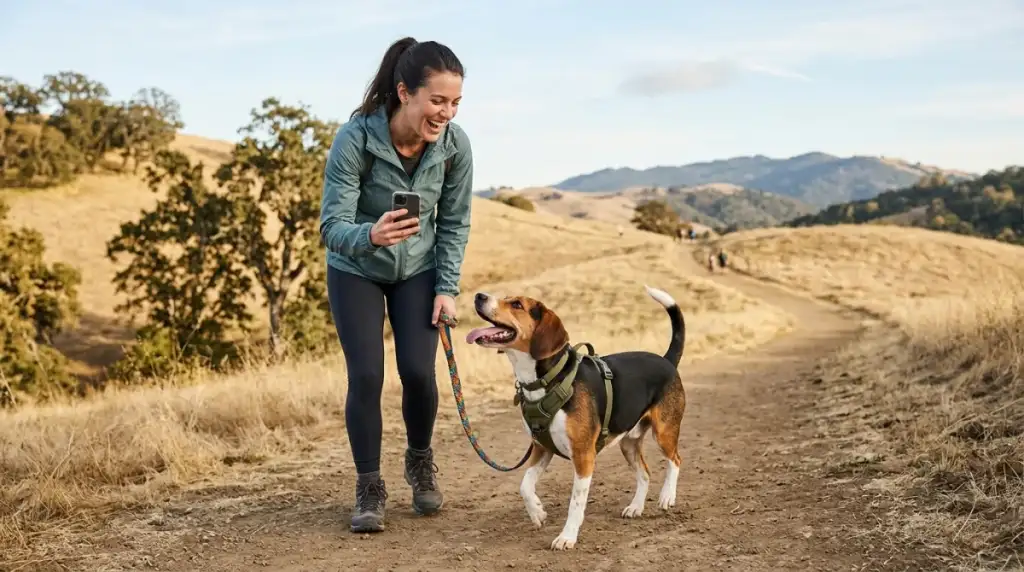
- Log off and touch grass: Your dog does not care about your follower count. They care about smelling that fire hydrant, running through the autumn leaves, and taking a long, uninterrupted nap by your side.
Social media can be a wonderful place to celebrate the joy of canine companionship. Just remember to look up from the screen every now and then—the best moments of dog ownership are the ones that never make it to the feed.