
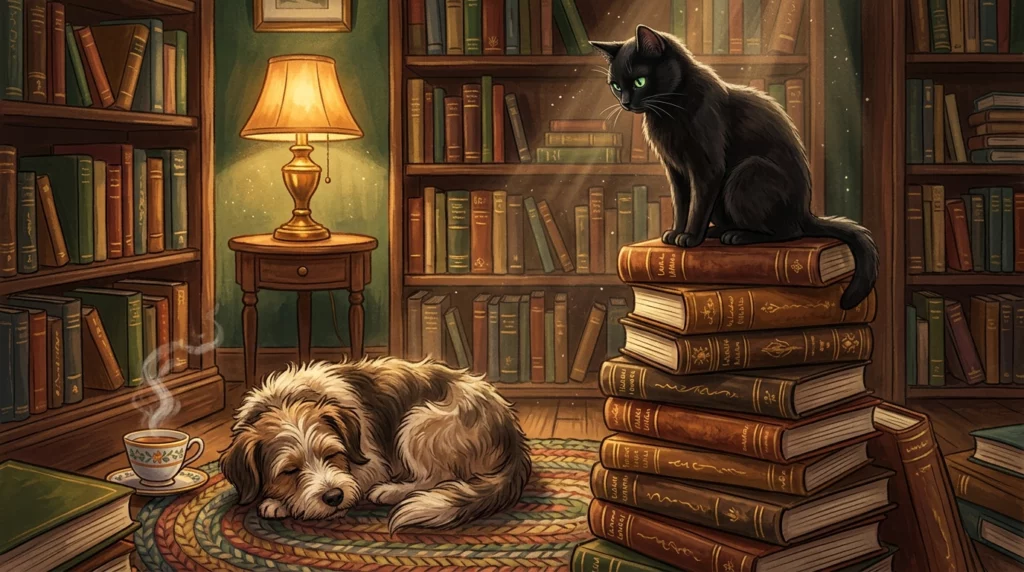
As a cat—and specifically, the self-appointed chief of the SnoutScoop household—I spend an immense amount of time observing my canine subordinates. Blu is currently trying to eat his own tail in the corner, and Niki is staring intensely at a dust mote as if it owes her money. It is a baffling existence. Naturally, when the humans told me there is an entire genre of literature written from the perspective of dogs, I was skeptical. How, pray tell, do they hold the pen without claws?
But as an intellectual, I decided to investigate. It turns out that novels narrated by dogs are not just quirky novelty books; they are deeply philosophical, emotionally devastating, and surprisingly accurate portrayals of the canine soul. Through some literary magic, these human authors have managed to capture the fierce loyalty, the existential confusion, and the simple joys of being a dog.
Put down your chew toys and grab a cozy blanket. Here is my sophisticated, slightly dramatic, and ultimately heartwarming review of four great novels narrated by dogs.
1. The Art of Racing in the Rain by Garth Stein
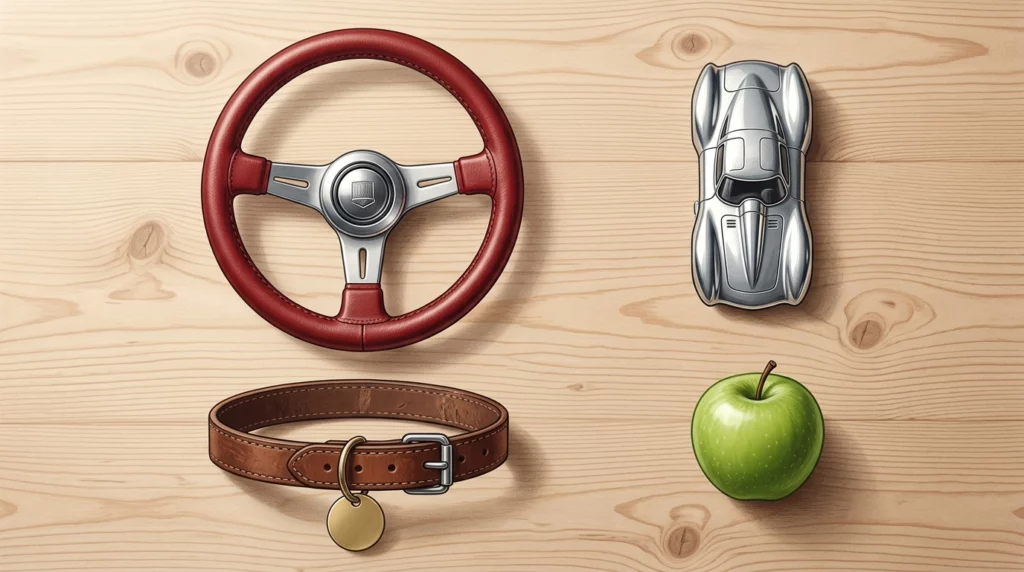
Our first literary subject is Enzo, a terrier-Spaniel mix with the soul of a philosopher and a borderline unhealthy obsession with race car driving. Enzo spends his life watching his human, Denny, navigate the tumultuous tracks of professional racing and personal tragedy.
What makes Enzo such a compelling narrator is his quiet frustration with his physical limitations. He knows he has a human-like mind, yet he is trapped in a body that cannot speak. He is convinced that in his next life, he will be reincarnated as a human—a concept I personally find to be a bit of a demotion, but to each his own.
Why You Should Read It:
Stein masterfully uses Enzo’s limited perspective to highlight human fragility. Enzo doesn’t understand all the legal and medical jargon surrounding his family’s crises, but he understands grief, joy, and the mechanics of a perfect turn on a wet racetrack. It is a beautiful, tear-jerking reminder of how closely our dogs watch us, decoding our emotions even when we try to hide them.
2. A Dog’s Purpose by W. Bruce Cameron
If you thought one lifetime of dog devotion was emotional, try four. W. Bruce Cameron’s bestselling novel follows a single canine soul who is reincarnated as several different dogs—including a golden retriever named Bailey, a German Shepherd police dog named Ellie, and a Labrador named Buddy—all while searching for his ultimate purpose in life.
From a feline perspective, having to repeat the puppy phase four times sounds like a bureaucratic nightmare. But for Bailey/Buddy, each life is an opportunity to learn more about the complicated creatures known as humans. The narrative voice here is charmingly simple, innocent, and deeply focused on scent, food, and affection.
Why You Should Read It:
This book captures the absolute essence of canine optimism. Even when life gets difficult, the narrator’s core mission remains pure: to love, protect, and comfort his humans. It’s an easy, comforting read that will make you hug your dog a little tighter (or in my case, tolerate a brief, wet nose-boop from Blu).
3. Timbuktu by Paul Auster

Now, let us venture into the realm of high literature. Paul Auster’s Timbuktu is narrated by Mr. Bones, a sensitive, highly intelligent mutt belonging to Willy G. Christmas, a homeless, terminally ill poet. Mr. Bones doesn’t just love his human; he understands his poetry, his eccentricities, and his impending demise.
This is not a story about chasing tennis balls. It is a gritty, poetic, and melancholic look at companionship on the margins of society. Mr. Bones’ narrative voice is rich with worry. He fears what will happen to him when Willy passes, and he dreams of “Timbuktu”—a poetic canine heaven where dogs and humans can finally speak the same language.
Why You Should Read It:
Auster’s writing is exquisite. By filtering a story of homelessness and grief through the eyes of a fiercely loyal dog, he strips away social judgment and leaves us with raw, beautiful emotion. It is a masterclass in how animal narrators can reframe human identity and agency.
4. Fifteen Dogs by André Alexis

For my fellow lovers of high-concept philosophy, I present Fifteen Dogs, a brilliant apologue that won Canada’s prestigious Scotiabank Giller Prize. The premise is delightfully chaotic: the gods Hermes and Apollo argue over whether animals would be happier or unhappier if they possessed human intelligence. To settle the bet, they grant human consciousness to fifteen dogs staying at a veterinary clinic in Toronto.
What follows is a fascinating, sometimes tragic exploration of what happens when dogs suddenly understand poetry, mortality, social hierarchy, and existential dread. Some dogs try to cling to their old canine ways, while others, like the poetic black Labrador Prince, embrace their new linguistic talents to create art.
Why You Should Read It:
It is a profound, albeit heartbreaking, examination of what it means to have a voice. Alexis does not shy away from the darker sides of human intelligence—jealousy, complex cruelty, and existential grief—making us wonder if the gods’ gift was actually a curse. It is easily one of the most unique and intellectually stimulating animal novels ever written.
The Chief’s Final Verdict
Having analyzed these texts, I must begrudgingly admit that humans have done a commendable job capturing the canine spirit. They have successfully bottled that strange, beautiful mixture of absolute devotion, sensory wonder, and occasional existential confusion that makes dogs so… well, exhausting yet endearing.
While I still firmly believe that a memoir narrated by a majestic black cat would contain far superior prose, sharper insults, and more elegant descriptions of sunbeams, these dog novels are undeniably worth your time.
Have you read any of these canine classics? Or do you have another favorite book narrated by a pet? Let us know in the comments below—and please, keep the typing quiet. Some of us are trying to take our fourteenth nap of the day.